10 Warm Lighting Ideas for Bedroom: Create a Cozy, Relaxing Retreat
Published: 30 Jun 2026
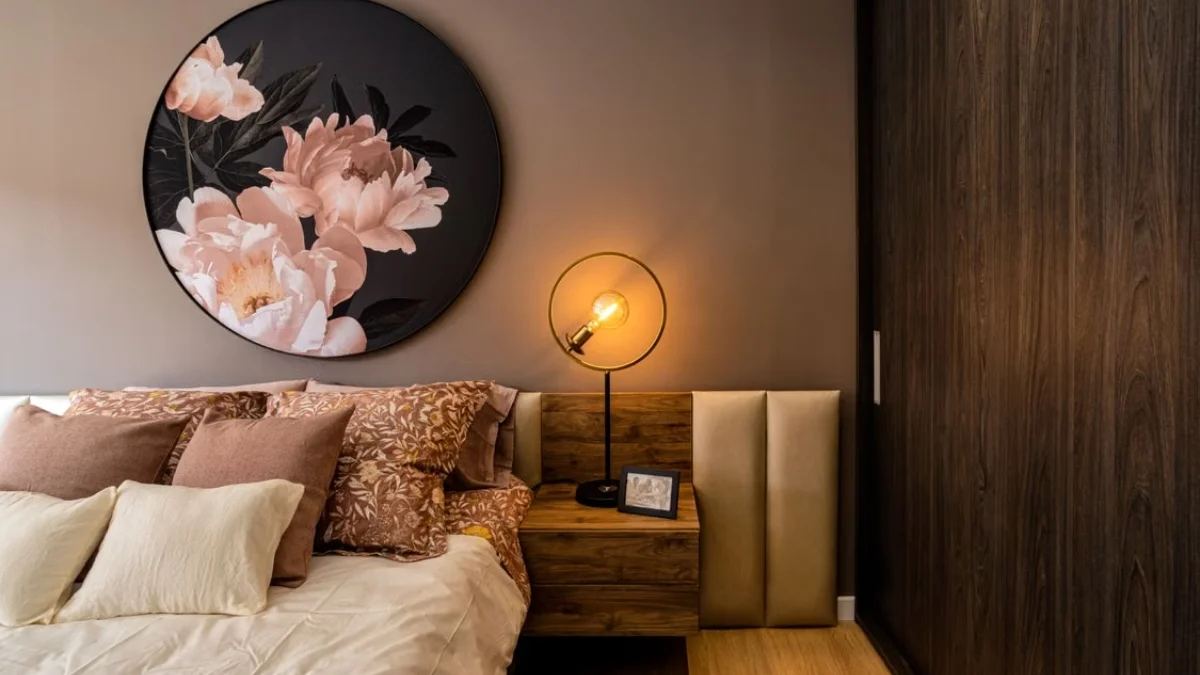
There’s a reason you feel instantly calmer walking into a warmly lit room. Lighting isn’t just functional, it sets the entire emotional tone of a space. And nowhere does that matter more than your bedroom. If you’ve been searching for the best warm lighting ideas for bedroom spaces, you’re already thinking in the right direction.
The right warm lighting can turn even a plain bedroom into a peaceful escape and it works beautifully alongside other design choices like minimalist bedroom decor to create a space that feels truly intentional.
The right warm lighting can turn even a plain bedroom into a peaceful escape. The wrong lighting? It’ll have you tossing and turning, wondering why your “relaxing” room feels like a hospital waiting area.
This guide covers the most effective lighting setups for your bedroom practical, stylish, and easy to implement regardless of your budget.
Table of Contents
Why Warm Lighting Ideas for Bedroom Spaces Actually Matter
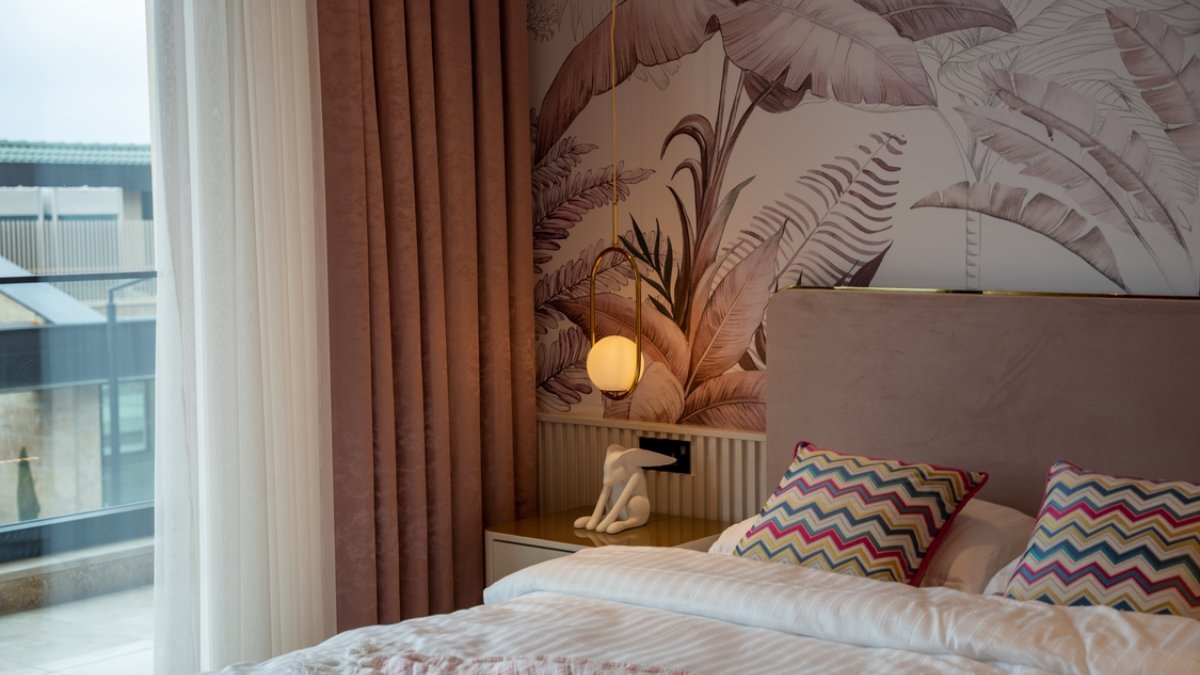
Before jumping into ideas, it helps to understand why color temperature matters so much in a sleep space.
Light is measured in Kelvins (K). Cool white light (5000K–6500K) mimics daylight and signals your brain to stay alert. Warm white light (2700K–3000K) mimics candlelight and tells your body it’s time to wind down.
According to the American Academy of Sleep Medicine, exposure to bright, cool light before bedtime suppresses melatonin, the hormone that helps you fall asleep. Warm, dim lighting in the evening supports your natural sleep-wake cycle.
So, exploring warm lighting ideas for your bedroom isn’t just a style decision. It’s genuinely good for your sleep health.
1. Layer Your Bedroom Lighting
The single biggest mistake people make? One overhead light for the entire room. It’s flat, harsh, and does nothing for ambiance.
Professional interior designers always work with three layers of lighting:
- Ambient lighting: the general, overall light (ceiling fixture or recessed lights)
- Task lighting: focused light for specific activities (reading lamps, vanity lights)
- Accent lighting: decorative light that adds depth and mood (wall sconces, LED strips)
When all three layers work together at warm color temperatures, your bedroom transforms. The space feels intentional, comfortable, and visually interesting without any single light source doing all the heavy lifting.
Start by auditing what you currently have. Most bedrooms only have ambient light. Adding even one layer dramatically changes the feel. This layered approach works especially well in overlooked spaces. See our guide on corner decoration ideas for bedroom to see how lighting and decor work together.
2. Swap Bulbs to Warm White LEDs
This is the easiest, most budget-friendly warm lighting idea for your bedroom and it makes a huge difference.
Replace any cool or neutral white bulbs with warm white LED bulbs in the 2700K–3000K range. These bulbs produce a soft, golden glow that feels cozy without making the room feel dim.
Look for bulbs with a CRI (Color Rendering Index) of 90+ if you want colors in your room like bedding, artwork, and rugs to look accurate and rich under artificial light. High CRI bulbs are especially worth it if you’ve invested in quality bedroom decor.
Pro tip: Dimmable warm white LEDs are worth the slight price premium. Being able to drop your light levels in the evening is one of the simplest ways to signal to your body that it’s time to relax.
3. Add Bedside Table Lamps
Bedside lamps are a bedroom staple and for good reason. They provide warm, low-level task lighting for reading, and they’re intimate and personal in a way overhead lighting simply can’t be.
When choosing bedside lamps:
- Pick shades that diffuse light softly (fabric shades work well; avoid glass or metal that creates harsh glare)
- Match the scale of the lamp to your nightstand oversized lamps on small nightstands look awkward
- If you share a bedroom, give each person their own lamp so you can independently control light levels
A warm-toned Edison-style bulb in a simple linen-shade lamp instantly warms up a bedroom, the same principle applies when layering warm accents in other spaces, like your entryway decor.
4. Install a Dimmer Switch
A dimmer switch is one of the highest-ROI investments for bedroom lighting. Installation is inexpensive, and the impact is immediate.
With a dimmer, your existing ceiling fixture becomes far more versatile. Bright for getting dressed in the morning. Medium for relaxed evenings. Low for winding down before sleep.
Make sure your bulbs are labeled “dimmable” before installing not all LEDs are compatible. Non-dimmable bulbs used with a dimmer can flicker or buzz, which is both annoying and shortens bulb life.
If you want to go a step further, smart dimmer switches (from brands like Lutron or Leviton) let you set schedules and control lights from your phone or voice assistant.
5. Use Warm LED Strip Lights Strategically
LED strip lights have come a long way from their early days as a gimmicky blue glow under teenage beds. Used with intention, warm LED strips are among the most popular warm lighting ideas for bedroom accent setups today.
Effective placements:
- Behind the headboard: creates a halo effect that frames the bed beautifully
- Under the bed frame: adds a floating effect and soft floor-level glow
- Inside a floating shelf or bookcase: highlights decor and adds depth
- Along the top of a tray ceiling: draws the eye upward and makes the room feel taller
Stick to warm white (2700K–3000K) or warm amber LED strips for the bedroom. Avoid RGB color-changing strips in sleep spaces while fun, the blue and cool tones aren’t ideal for winding down.
Pro tip: If you style your shelves with indoor plants, warm LED strips make them look stunning. Check out our picks for best pots for indoor plants to complete the look.
6. Try Wall Sconces Instead of Table Lamps
If your nightstands are small or nonexistent wall sconces are a sleek, space-saving alternative to bedside table lamps.
Mounted on either side of the bed at roughly eye level when you’re sitting up, sconces provide the same warm, directional light as a table lamp without using any surface space. They also give the room a more finished, designed look.
Plug-in wall sconces are easy to install without an electrician. Just mount them, hide the cord in a cord cover or behind the headboard, and you’re done. Hardwired sconces require an electrician but look cleaner.
Warm brass or matte black finishes are particularly popular right now and look excellent in both modern and traditional bedroom styles.
7. Incorporate Salt Lamps or Candle Lanterns
Sometimes the best warm lighting idea for a bedroom isn’t electric at all.
Himalayan salt lamps emit a warm, amber-orange glow that’s deeply soothing. They’re not bright enough to use as a primary light source, but as a bedside accent light or a soft nightlight, they’re wonderful. The warm tone is some of the most flattering, cozy light you’ll find anywhere.
Candle lanterns using real candles or flameless LED candles add an old-world warmth that’s hard to replicate electrically. A cluster of pillar candles on a decorative tray on a dresser or vanity creates genuine ambiance.
If using real candles, always follow basic fire safety: never leave them unattended, keep away from fabrics, and extinguish before sleeping.
8. Consider a Warm Pendant Light or Chandelier
If you’re doing a more significant lighting update, replacing a dated flush-mount ceiling fixture with a pendant light or small chandelier can completely change how a bedroom feels.
The key for warm ambiance: choose a fixture with a shade or diffuser that softens the light bare bulbs can look harsh even at warm color temperatures.
Styles that work well:
- Rattan or woven pendants: filter light through natural material for an incredibly warm, dappled effect
- Fabric drum shades: classic, clean, and diffuse light beautifully
- Antique brass or gold chandeliers: reflect warm light and add a touch of glamour
Hang the pendant at the right height: typically 7 to 8 feet from the floor to the bottom of the fixture in standard bedrooms.
9. Use Mirrors to Amplify Warm Light
This one’s often overlooked: mirrors don’t just add visual space. They reflect and multiply the warm light already in your room making this one of the smartest low-cost warm lighting ideas for bedroom spaces.
A large mirror opposite a bedside lamp doubles the effective light output and bounces that warm glow around the space. A mirror near a window reflects natural afternoon or golden-hour light deeper into the room.
Framed mirrors in warm metals brass, gold, bronze also visually reinforce the warm lighting palette you’re building.
Mirrors don’t just work in bedrooms, they’re equally powerful in smaller spaces. If you’re refreshing your living area too, our sofa styling tips for small living rooms show how light and layout work together.
10. Don’t Forget Natural Light During the Day
Warm artificial lighting works best when paired with thoughtful natural light management.
During the day, let as much natural light in as possible. It’s great for mood and energy. In the evening, switch to warm blackout curtains or cellular shades that block out harsh outdoor lights (streetlights, neighbor’s floodlights) and keep the room’s warm ambiance intact once your evening lights come on.
Linen or cotton curtains in cream, ivory, or warm beige filter daylight beautifully during the day while adding texture to the room.
Natural light management matters beyond the bedroom too. If your living room feels dull even in daylight, refreshing your coffee table decor can make the whole space feel brighter and more intentional.
Quick Recap: Your Warm Bedroom Lighting Checklist
- Swap bulbs to 2700K–3000K warm white LEDs
- Add a dimmer switch to your main overhead light
- Layer ambient, task, and accent lighting
- Include at least one warm bedside lamp per person
- Use LED strip lights behind the headboard or under the bed
- Consider wall sconces for a space-saving, stylish alternative
- Add a salt lamp or candle lanterns for maximum coziness
- Reflect light with strategically placed mirrors
FAQs
1. What is the best color temperature for bedroom lighting?
The best color temperature for a bedroom is between 2700K and 3000K. This is the foundation of all good warm lighting ideas for bedroom spaces; it produces a golden, relaxed glow that supports your evening wind-down without disrupting melatonin production.
2. Are LED lights good for bedroom ambiance?
Yes, modern warm white LED bulbs are one of the top warm lighting ideas for bedroom upgrades. They last far longer than incandescent bulbs, use significantly less energy, and high-quality dimmable LEDs create the same soft, cozy glow as traditional bulbs.
3. How many light sources should a bedroom have?
A well-lit bedroom typically has at least three light sources: one ambient source, one or two task lights, and one accent light. The best warm lighting ideas for bedroom setups always use layered sources rather than relying on one ceiling fixture.
4. Where should I place LED strip lights in a bedroom?
Popular placements include behind the headboard, under the bed frame, inside floating shelves, and along tray ceilings. For warm lighting ideas in a bedroom, always use warm white LED strips (2700K–3000K) rather than color-changing RGB strips.
5. Do salt lamps actually provide useful light?
Himalayan salt lamps are too dim for task lighting; they’re purely ambient and decorative. However, they’re one of the coziest warm lighting ideas for bedroom accent use, producing a beautiful amber glow perfect for evening hours.
6. Are dimmer switches worth installing in a bedroom?
Absolutely. A dimmer switch is one of the most versatile warm lighting ideas for a bedroom because it transforms a single fixture into a multi-mood light source bright in the morning, soft and warm at night.
7. Can lighting really affect sleep quality?
Yes significantly. Research from the American Academy of Sleep Medicine confirms that blue-toned light in the evening suppresses melatonin. Switching to warm lighting ideas for your bedroom 1–2 hours before bedtime directly supports better sleep onset.
8. What’s the difference between warm white and soft white bulbs?
These terms are often used interchangeably and both refer to bulbs in the 2700K–3000K range. When shopping for warm lighting ideas for bedroom bulbs, ignore the label and check the Kelvin rating on the packaging. That number is always a reliable guide.
Conclusion
Warm lighting in a bedroom isn’t a luxury, it’s one of the most practical upgrades you can make to your space. It affects how the room looks, how you feel in it, and even how well you sleep at night.
The good news? You don’t need a full renovation or a big budget. Something as simple as swapping your bulbs to 2700K warm white LEDs and adding a dimmer switch can completely transform the atmosphere, usually for under $30.
Start small. Pick one or two warm lighting ideas for bedroom spaces from this guide and try them this week a bedside lamp with a fabric shade, LED strips behind the headboard, or just a warmer bulb in your existing fixture.
Once you get the lighting right, you’ll wonder how you ever lived without it.




- Be Respectful
- Stay Relevant
- Stay Positive
- True Feedback
- Encourage Discussion
- Avoid Spamming
- No Fake News
- Don't Copy-Paste
- No Personal Attacks
- Be Respectful
- Stay Relevant
- Stay Positive
- True Feedback
- Encourage Discussion
- Avoid Spamming
- No Fake News
- Don't Copy-Paste
- No Personal Attacks
