Lighting Ideas for Small Spaces: How to Brighten Every Corner Without Cluttering It
Published: 1 Sep 2026
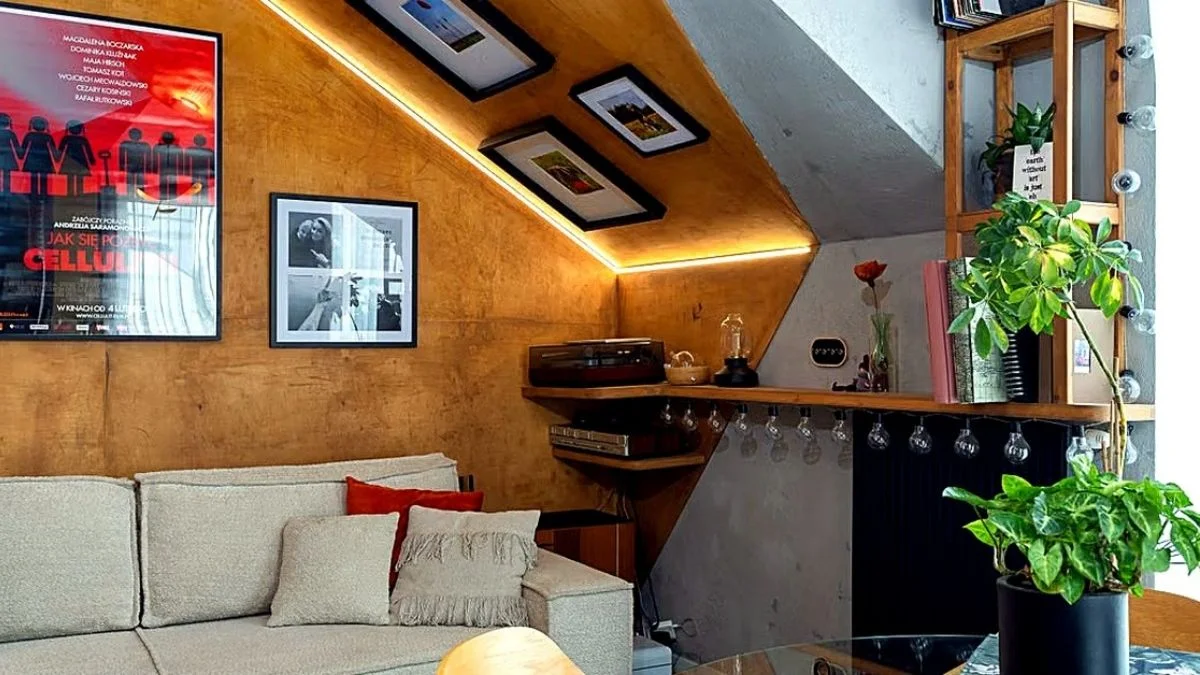
If you’ve ever squeezed a floor lamp into a room that’s already fighting you for legroom, you know the struggle. Small spaces don’t need less light; they need smarter light. The right lighting ideas for small spaces can make a cramped studio feel airy, turn a compact bedroom into a cosy retreat, and even create the illusion of extra square footage.
Making every corner brighter without adding unnecessary clutter can make a noticeable difference. Whether you have a small apartment, bedroom, kitchen, or living room, the right lighting can help the space feel more open and inviting.
This guide shares practical and realistic lighting strategies for tight spaces. No complicated renovations or expensive upgrades, just simple ideas you can actually use.
Table of Contents
Why Lighting Matters More in Small Spaces
In a large room, poor lighting can be an inconvenience. In a small room, however, it can completely change how the space feels. Shadows can collect in corners, ceilings may appear lower, and a single harsh overhead bulb can make a cosy room feel more like a storage closet.
Good lighting adds depth, brightens darker areas, and helps create the illusion of more space. This is why smart lighting ideas for small spaces often focus on more than simply adding another lamp.
Interior designers commonly use layered lighting to shape how a room looks and feels. Instead of relying on one light source, different types of lighting work together to make the space more comfortable and functional. For more ways to improve your home’s overall illumination, explore our guide to home lighting ideas.
Layered Lighting: The Foundation of Every Small Room
Before choosing fixtures, it helps to understand the three main layers of lighting. A well-planned combination can make even a compact room feel more balanced.
Ambient Lighting
Ambient lighting is the general light that fills the room. Ceiling fixtures, flush mounts, semi-flush fixtures, and recessed lighting usually provide this base layer.
For small spaces, flush or semi-flush ceiling lights are often a practical choice because they provide good illumination without taking up valuable headroom.
Task Lighting
Task lighting is designed for specific activities. Reading lamps, under-cabinet lights in the kitchen, and desk lamps are common examples.
Without task lighting, you may end up relying on the main ceiling fixture for everything. This can leave some areas too bright while other areas still don’t have enough light.
Accent Lighting
Accent lighting is often the layer people forget, but it can make a room feel more thoughtfully designed. It highlights specific features, such as artwork, bookshelves, plants, or textured walls.
A small amount of accent lighting can add visual depth that general room lighting alone cannot create.
Best Lighting Ideas for Small Spaces
Here are some of the most practical lighting ideas for small spaces that can help your home feel brighter and more open.
Wall Sconces to Free Up Floor Space
Floor and table lamps can take up valuable space that you may not have. Wall sconces solve this problem by mounting the light source directly to the wall, keeping floors and side tables clear.
They are especially useful on either side of a bed in a small bedroom, where they can replace bulky table lamps on the nightstands.
Pendant Lights That Add Height
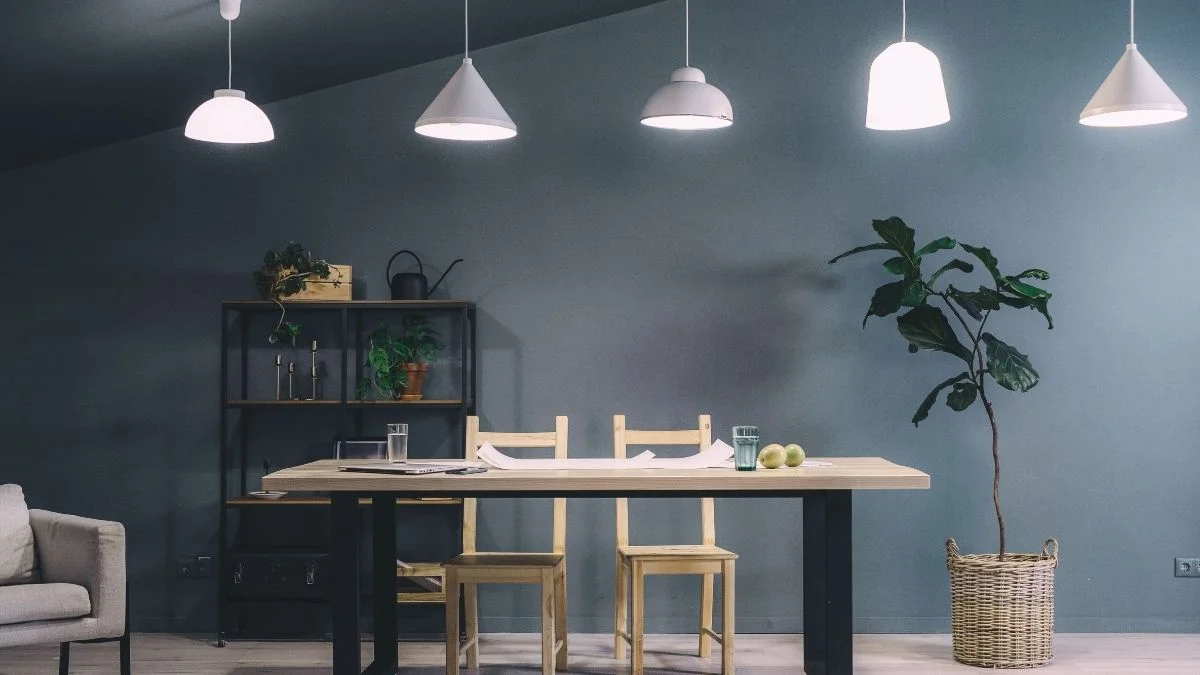
Small rooms can sometimes feel visually low or cramped. A well-placed pendant light over a dining nook, kitchen island, or reading area can draw the eye upward and make the ceiling appear taller.
Keep the scale modest, though. An oversized pendant in a compact room can overwhelm the space instead of improving it.
Use Mirrors to Reflect More Light
Using mirrors is one of the simplest lighting ideas for small spaces, even though a mirror is not technically a light fixture.
Place a mirror where it can reflect natural light from a window or artificial light from a fixture. This can help distribute light around the room and make the space appear brighter and more open.
It is also one of the easiest and most affordable upgrades for a small room.
Under-Cabinet and Shelf Lighting
Under-cabinet LED strips are particularly useful in small kitchens. They provide focused task lighting for food preparation and add a soft glow that makes the entire room feel more finished.
The same approach works well on open shelving in bedrooms or living rooms. A slim LED strip can highlight books, plants, or decor without taking up valuable physical space.
Multi-Functional Lighting Fixtures
Some of the best lighting ideas for small spaces involve choosing fixtures that serve more than one purpose.
For example, you might choose a floor lamp with built-in shelving or a mirror with integrated LED lighting. Multi-functional fixtures can help you make better use of limited space while reducing unnecessary clutter.
Choosing the Right Bulb: Warm vs. Cool Light
Fixture choice matters, but bulb temperature can also change the entire mood of a room. Light colour is measured in Kelvin (K).
- 2700K–3000K (warm white): Soft, warm lighting that works well in bedrooms and living rooms.
- 3500K–4100K (neutral white): Balanced lighting that can work well in kitchens and bathrooms.
- 5000K–6500K (daylight): Brighter, cooler lighting that can be useful for workspaces but may feel too harsh in a living room or bedroom.
LED bulbs are a practical option for compact rooms because they use less energy than traditional incandescent bulbs and generally produce less heat.
Lighting Ideas for Specific Small Rooms
Different rooms have different needs, so it’s important to adapt your lighting ideas for small spaces to the function of each area.
Small Bedroom
Avoid relying entirely on a single overhead bulb. Pair a dimmable ceiling fixture with wall-mounted sconces or slim reading lamps near the bed. You can also explore these bedroom lighting ideas for more practical ways to brighten a compact bedroom.
A warm LED strip behind the headboard can also provide a soft accent glow. Dimmers are particularly useful because they allow one fixture to provide brighter lighting for tasks and softer lighting for relaxing.
Small Living Room
A flush-mount ceiling fixture can provide ambient lighting without taking up too much visual space. For more ways to layer light in this area, check out our living room lighting ideas. Add a slim floor lamp near a reading chair for focused task lighting.
For accent lighting, consider a picture light above artwork or a small LED strip along a bookshelf. If floor space is limited, wall-mounted swing-arm lamps can be a smart alternative to a traditional floor lamp.
Small Kitchen
For a compact kitchen, under-cabinet lighting is one of the most useful lighting ideas for small spaces. It provides direct light on the countertop and can reduce shadows while you prepare food.
A single pendant over a small island or breakfast nook can also add character without taking up valuable counter space.
Small Bathroom
Vertical sconces on either side of the mirror can provide more even lighting than relying only on a fixture above the mirror.
Pair them with a moisture-rated ceiling fixture to provide general lighting throughout the bathroom. When choosing bathroom fixtures, make sure they are appropriately rated for damp or wet locations. The National Electrical Manufacturers Association (NEMA) provides electrical safety and standards information for lighting equipment.
Common Lighting Mistakes to Avoid in Small Spaces
Even the best lighting ideas for small spaces may not work well if you make a few common mistakes.
- Relying on one overhead bulb: A single light source can create shadows and make the room feel flat.
- Choosing fixtures that are too large: Oversized fixtures can visually overwhelm a compact room. Always consider the scale of the fixture.
- Ignoring bulb temperature: Mixing very warm and very cool bulbs can create an inconsistent appearance.
- Skipping dimmers: Dimmers allow you to adjust brightness depending on the activity and time of day.
- Forgetting natural light: Keep windows as unobstructed as possible, use lighter window treatments, and place mirrors strategically to reflect available light.
How to Make a Small Room Feel Brighter
The most effective lighting ideas for small spaces usually combine artificial and natural light. For additional ways to brighten a compact room, see our guide to small room lighting hacks.
Start by allowing as much daylight into the room as possible. Avoid blocking windows with large furniture, and use mirrors to help reflect available light.
Then add layers of artificial lighting. A ceiling fixture can provide general illumination, while task lighting can brighten areas where you read, cook, or work. Accent lighting can then add depth and highlight decorative features.
This layered approach can make a compact room feel brighter without filling it with too many fixtures.
Final Thoughts
With the right lighting ideas for small spaces, even a compact studio, bedroom, kitchen, or living room can feel brighter, warmer, and more open.
A thoughtful mix of ambient, task, and accent lighting helps make the most of limited space while adding comfort and style. Using mirrors to reflect light, choosing the right bulb temperature, and installing dimmer switches can further improve the overall atmosphere.
With a few simple changes, you can create a well-lit, inviting room without spending a lot of money or taking on a major renovation.
FAQs
1. What is the best type of lighting for a small room?
Layered lighting works best in most small rooms. Combining ambient, task, and accent lighting can create better coverage and prevent the room from feeling flat or shadowy. Using the right lighting ideas for small spaces also helps maximize brightness while keeping the room comfortable and visually balanced.
2. Do small rooms need warm or cool lighting?
Warm white lighting, typically around 2700K–3000K, works well in bedrooms and living rooms. Neutral white lighting can be a good choice for kitchens and bathrooms where clearer visibility is needed.
3. How can I make a small room look bigger with lighting?
Use mirrors to reflect natural or artificial light, choose wall-mounted lights instead of bulky floor lamps, and use fixtures that draw the eye upward.
4. Are LED lights good for small spaces?
Yes. LED lights are a practical choice for small spaces because they are energy-efficient, available in different colour temperatures, and generally produce less heat than traditional incandescent bulbs.
5. Should I use a chandelier in a small room?
You can, but size matters. A small, well-proportioned chandelier or pendant can work beautifully, while an oversized fixture may make the room feel crowded.
6. What is the difference between ambient, task, and accent lighting?
Ambient lighting provides general illumination for the room. Task lighting focuses on specific activities, such as reading or cooking. Accent lighting highlights features such as artwork, shelving, or decorative details.
7. Are wall sconces a good option for small bedrooms?
Yes. Wall sconces are among the most practical lighting ideas for small spaces because they free up valuable nightstand space that would otherwise be used by table lamps, making them a smart option for tight bedrooms.
8. Do dimmer switches make a difference in small spaces?
Yes. A dimmer allows one fixture to provide different levels of brightness, making it useful for both daytime tasks and a softer evening atmosphere.


- Be Respectful
- Stay Relevant
- Stay Positive
- True Feedback
- Encourage Discussion
- Avoid Spamming
- No Fake News
- Don't Copy-Paste
- No Personal Attacks
- Be Respectful
- Stay Relevant
- Stay Positive
- True Feedback
- Encourage Discussion
- Avoid Spamming
- No Fake News
- Don't Copy-Paste
- No Personal Attacks
