10 Best Indoor Plants for Air Conditioned Rooms: Easy-Care Options
Published: 4 Sep 2026
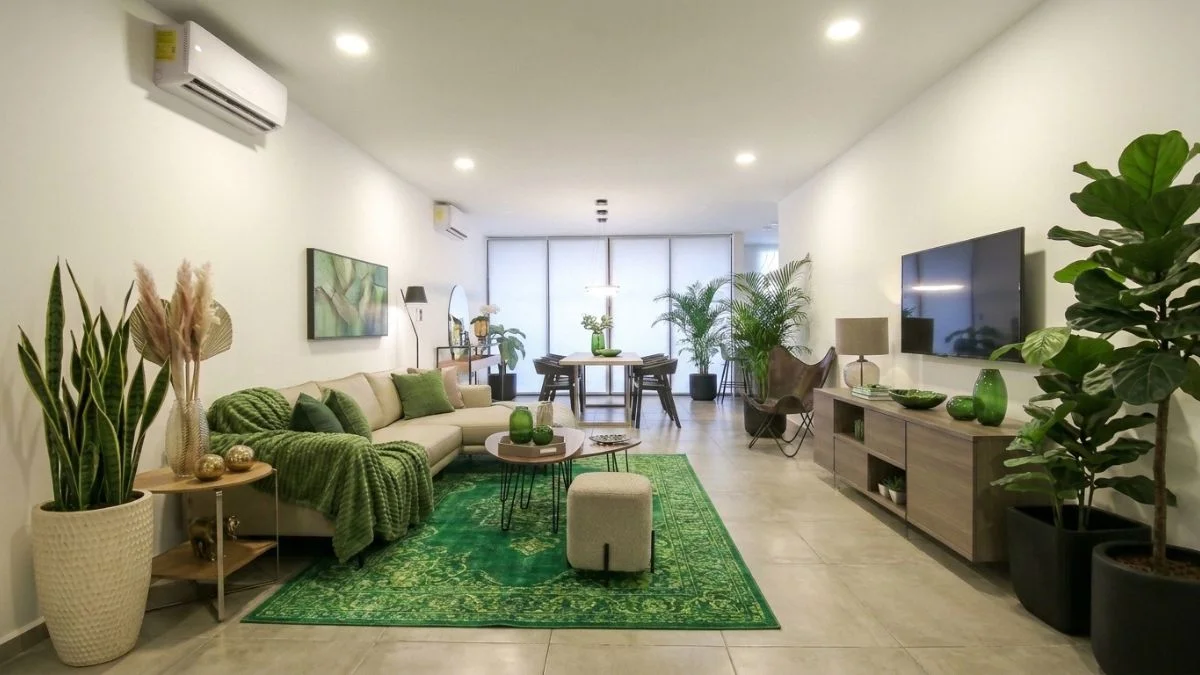
Air conditioning keeps indoor spaces cool and comfortable, but it can create a challenging environment for some houseplants. Dry air, cold drafts, temperature changes, and limited natural light may affect plant growth.
The good news is that many houseplants can grow well in air-conditioned homes when they receive suitable light, watering, and placement. The Best indoor plants for Air Conditioned Rooms are usually easy-care varieties that can handle normal indoor conditions without requiring extremely high humidity.
The key is to choose a plant that matches your room’s conditions. Here are 10 easy-care options for bedrooms, living rooms, offices, and other air-conditioned spaces.
Table of Contents
What Makes the Best Indoor Plants for Air Conditioned Rooms?
Air-conditioned rooms can have cooler temperatures and lower humidity than other areas of the home. Some plants handle these conditions better than others.
When choosing a plant, consider its light, temperature, watering, and humidity needs. It is also important to keep plants away from strong cold drafts.
Look for varieties that:
- Are easy to maintain
- Tolerate typical indoor conditions
- Don’t require constantly high humidity
- Can grow in the available light
- Don’t need frequent watering
- Can be placed away from direct AC airflow
An easy-care plant still needs proper light, water, drainage, and a suitable growing environment.
10 Best Indoor Plants for Air Conditioned Rooms
1. Snake Plant
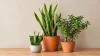
Snake plant is one of the easiest choices for an air-conditioned home. Its upright leaves give bedrooms, offices, and living rooms a clean, modern look without taking up much space.
It can tolerate relatively low indoor light and can handle periods between waterings. However, overwatering is a common problem. Allow the potting mix to dry appropriately before watering again, and always use a container with drainage.
For smaller homes, you can also explore air-purifying indoor plants for tiny apartments that add greenery without taking up much floor space.
Best for: Bedrooms, offices, small spaces, and beginners.
2. ZZ Plant
ZZ plant is ideal for anyone who wants attractive greenery with minimal maintenance. Its thick underground rhizomes store water, so it generally does not need frequent watering.
It can tolerate lower-light conditions, although extremely dark rooms are not suitable for long-term healthy growth. Place it in indirect light and keep it away from direct AC airflow.
Best for: Offices, bedrooms, hallways, and low-maintenance spaces.
3. Pothos
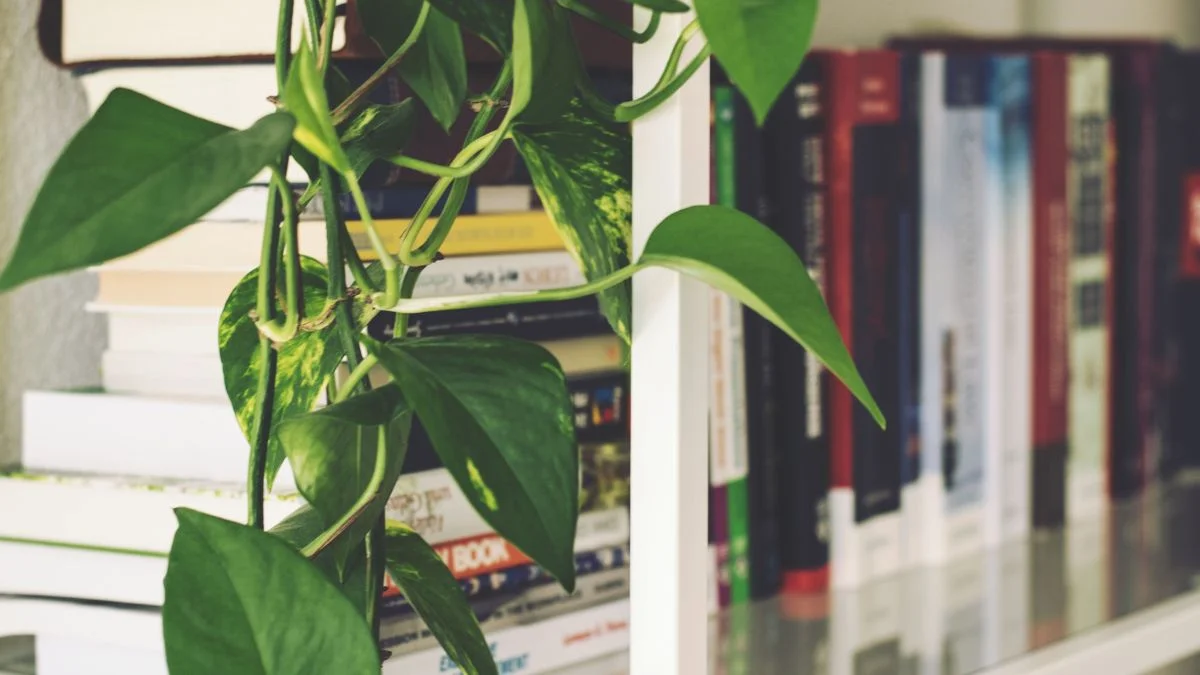
Pothos is a popular indoor plant because it combines attractive foliage with simple care. Its trailing stems look great on shelves, bookcases, cabinets, and hanging planters.
It can tolerate lower light, although brighter indirect light can support stronger growth. Avoid placing pothos directly under an AC vent because constant cold airflow may stress the plant.
Best for: Shelves, hanging baskets, living rooms, and offices.
4. Spider Plant
Spider plant is a practical choice if you want something full and decorative without complicated care. Its long, arching leaves create a light appearance that works well in many interiors.
Give it suitable indoor light and avoid keeping the soil constantly wet. In an air-conditioned room, choose a position away from direct cold airflow.
If you are also adding plants to your kitchen, choosing air-purifying plants for kitchen smells can combine greenery with a practical purpose.
Best for: Bedrooms, kitchens, shelves, and hanging baskets.
5. Cast Iron Plant
The cast iron plant is known as a tough houseplant and can work well in rooms where other plants may struggle.
Its broad green leaves add a leafy appearance to shaded interiors. Although it tolerates less-than-perfect conditions, it still needs reasonable care. Use a pot with drainage and avoid keeping the roots constantly waterlogged.
Best for: Shaded rooms, hallways, offices, and darker interiors.
6. Parlor Palm
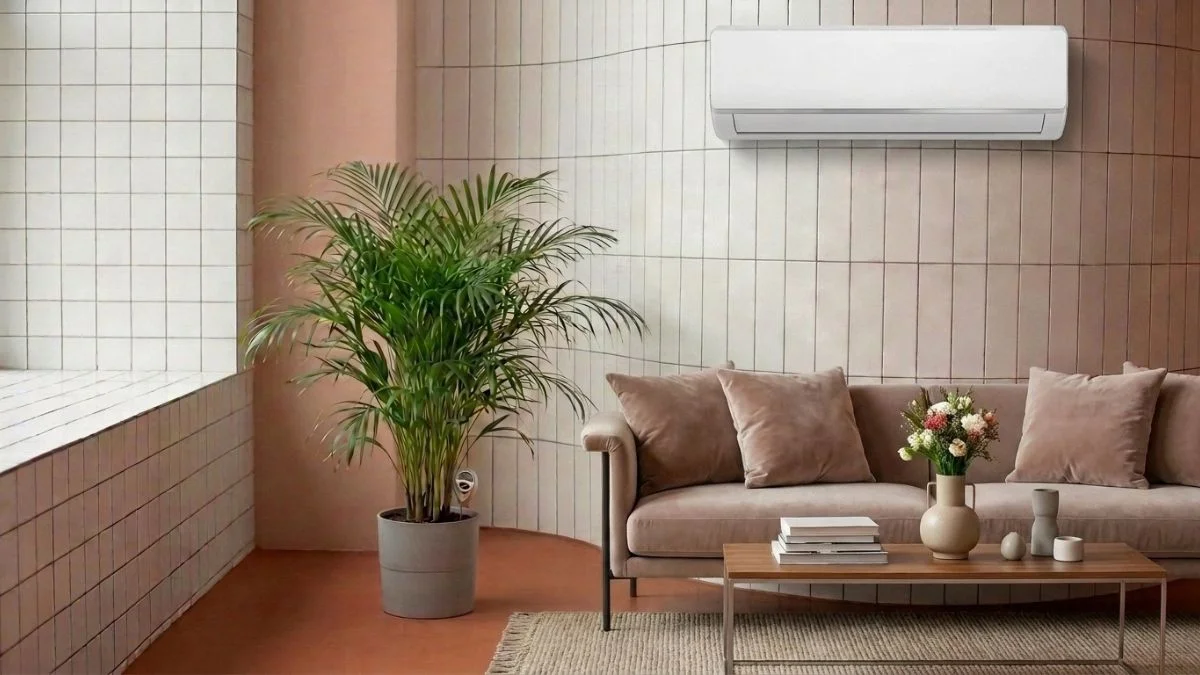
For a softer and more tropical appearance, consider a parlor palm. This compact palm adds height and greenery without overwhelming a room.
It generally does well with indirect light. Keep it away from direct AC airflow and check the growing medium before watering instead of following a fixed schedule.
Best for: Bedrooms, living rooms, and home offices.
7. Rubber Plant
Rubber plants are a good option when you want greenery that makes a stronger visual statement. Its large leaves can become a focal point in a bright bedroom or living room.
Unlike plants that tolerate very low light, rubber plants generally perform better in brighter conditions. Place one near a bright window with suitable indirect light and protect it from direct cold drafts.
Best for: Bright bedrooms, living rooms, and larger interiors.
8. Aloe Vera
Aloe vera is a good choice for people who prefer plants that do not need frequent watering. As a succulent, it stores water in its fleshy leaves and prefers the growing medium to dry between waterings.
Aloe also needs plenty of light, making it better suited to a bright AC room than a dark corner. A sunny windowsill can be a good location as long as the plant is protected from damaging conditions.
Best for: Sunny windowsills, bright bedrooms, and home offices.
9. Chinese Evergreen
Chinese evergreen is useful for indoor spaces with moderate rather than extremely bright light. Its attractive foliage makes it both decorative and practical.
Different varieties have different leaf patterns, so you can choose one that fits your interior style. Even though it can tolerate lower light, keep it away from direct AC drafts and watch for changes in its leaves or growth.
Best for: Bedrooms, offices, and moderate-light rooms.
10. Peace Lily
Peace lily is popular for its attractive leaves and flowers. It generally prefers more consistent moisture than drought-tolerant plants such as snake plant and aloe vera.
Because air-conditioned rooms can become dry, peace lily may need a little more attention. If the air is particularly dry, grouping plants together can help create a more humid area around them.
Best for: Bedrooms, living rooms, and bathrooms with suitable light.
How to Care for Indoor Plants in an Air-Conditioned Room
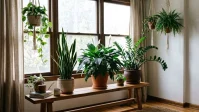
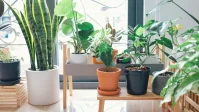
Choosing the Best Indoor Plants for Air Conditioned Rooms is only the first step. Proper placement and care are equally important. If you want to make your air-conditioned room look more inviting, try different indoor plant arrangement ideas to create a balanced display on shelves, tables, or empty corners.
Keep Plants Away From Direct AC Airflow
Avoid placing plants directly under or beside an AC vent. Constant cold airflow can stress plants that prefer warmer and more stable conditions.
You do not necessarily need to move the plant to another room. A shelf or table outside the strongest stream of cold air can be a better location.
Pay Attention to Humidity
Dry indoor air can affect foliage, especially on plants that naturally prefer higher humidity brown or crispy leaf edges are a common sign that the surrounding air is too dry. RHS identifies low humidity as a common cause of brown leaf tips and edges on foliage houseplants. Grouping plants together, or using a pebble tray or humidifier, can help raise local humidity without changing your whole home’s climate.
You can group several plants together to create a more humid local environment. A pebble tray or humidifier can also help when indoor air is consistently dry.
Don’t Water on a Fixed Schedule
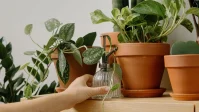
Avoid watering every plant according to the same calendar. Instead, check the potting mix and consider the plant’s light, temperature, and growing conditions.
A plant in a bright, warm location may dry out faster than one in a cool, low-light room. Checking the soil before watering can help prevent both underwatering and overwatering.
Give Each Plant Enough Light
Air conditioning does not replace the need for proper lighting. Plants need light for photosynthesis, but their requirements vary.
Snake plant and ZZ plant can handle lower light better than rubber plant or aloe vera. If your AC room is especially dark, an appropriate grow light can provide additional illumination.
Choose Pots With Drainage Holes
Good drainage is essential for healthy roots. If excess water cannot escape, the soil can remain saturated and increase the risk of root problems.
Choose containers with drainage holes and allow excess water to drain away after watering. If you use a decorative outer pot, check that water has not collected at the bottom.
Which Plant Should You Choose?
The right plant depends on the conditions in your room.
For darker spaces, snake plant, ZZ plant, pothos, or cast iron plant can be practical choices. For brighter rooms, rubber plants and aloe vera can make better use of available light.
If you prefer a softer tropical appearance, choose a parlor palm. If flowers are important to you, peace lily can be attractive, but it usually needs more consistent moisture.
The best approach is to choose a plant based on your actual indoor environment rather than simply looking for a plant advertised as an “AC plant.”
Final Thoughts
The Best Indoor Plants for Air Conditioned Rooms are not necessarily plants that can survive neglect. They are plants that match your room’s light, temperature, humidity, and watering conditions.
Snake plant, ZZ plant, pothos, spider plant, aloe vera, and other easy-care varieties can add greenery to an air-conditioned home when positioned and maintained properly.
Keep plants away from direct AC drafts, provide suitable light, check the soil before watering, and watch for signs of dry air. With the right plant and a little attention, an air-conditioned room can still support healthy and attractive indoor greenery.
FAQs
1. What are the Best Indoor Plants for Air Conditioned Rooms?
Snake plant, ZZ plant, pothos, spider plant, and cast iron plant are among the easiest options to consider. The best choice depends on the available light, humidity, and temperature in your room.
2. Can indoor plants survive in an air-conditioned room?
Yes. Many houseplants can grow successfully in air-conditioned spaces when they receive suitable light and water. The main concerns are usually direct cold airflow, low humidity, and unsuitable watering.
3. Does air conditioning damage houseplants?
Air conditioning does not automatically damage houseplants. However, constant cold drafts and sudden temperature changes can create unfavorable conditions for some varieties. Keeping plants away from direct vents can help.
4. Do indoor plants need more water in an AC room?
Not necessarily. Watering depends on the plant and its growing conditions. Check the soil before watering instead of automatically increasing the watering frequency.
5. Which plants tolerate dry indoor air?
Snake plant, ZZ plant, and aloe vera are useful choices for people who want relatively drought-tolerant houseplants. Plants with higher humidity needs may require additional care.
6. Can I place a plant directly under an AC vent?
It is better to avoid direct airflow whenever possible. A nearby position outside the strongest stream of cold air is generally a safer choice.
7. How can I increase humidity around indoor plants?
You can group plants together or place a pot above a tray of moist pebbles. A humidifier can also be useful when indoor air is consistently dry.
8. What are the Best Indoor Plants for Air Conditioned Rooms with low light?
Snake plant, ZZ plant, pothos, and cast iron plant are good options for lower-light areas. However, low light does not mean complete darkness, so the room should still provide usable natural or artificial light.

- Be Respectful
- Stay Relevant
- Stay Positive
- True Feedback
- Encourage Discussion
- Avoid Spamming
- No Fake News
- Don't Copy-Paste
- No Personal Attacks
- Be Respectful
- Stay Relevant
- Stay Positive
- True Feedback
- Encourage Discussion
- Avoid Spamming
- No Fake News
- Don't Copy-Paste
- No Personal Attacks
