15 Best Kitchen Lighting Ideas for a Brighter, Stylish Space
Published: 26 Aug 2026
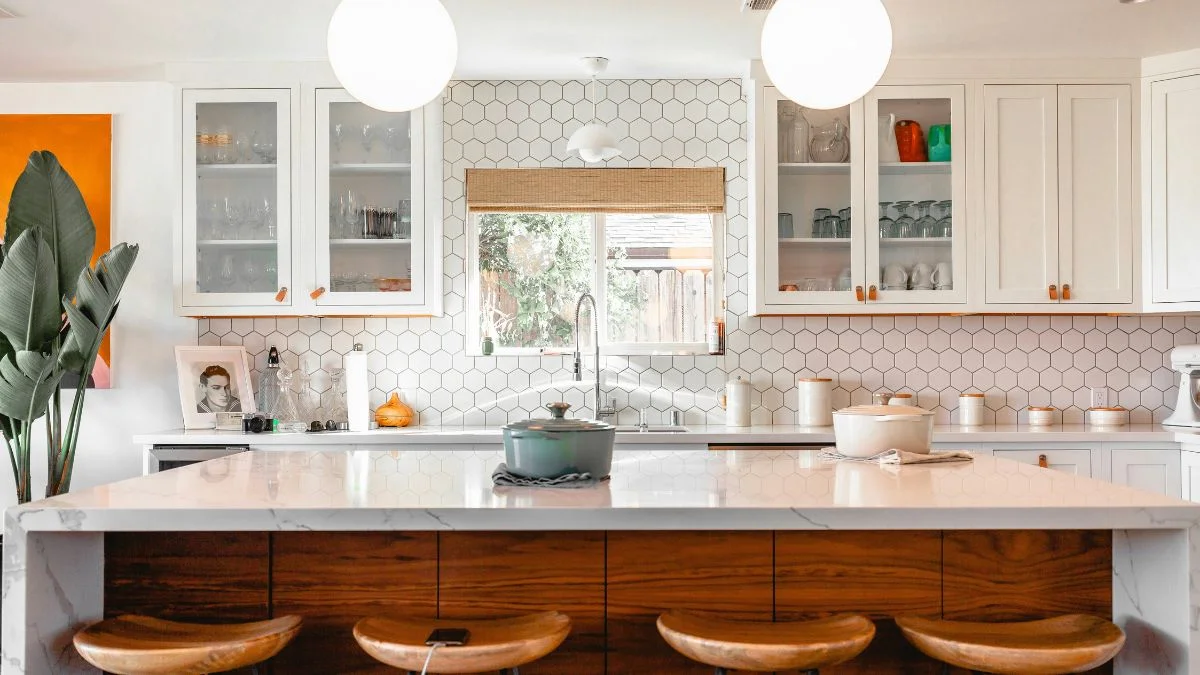
Ever tried dicing an onion under one lonely ceiling bulb, only to realize your own head is casting a shadow over the cutting board? That’s usually when you notice that kitchen lighting ideas need more attention.
Good kitchen lighting isn’t just about making a room look beautiful. It helps you see what you’re cooking, find ingredients easily, clean up safely, and create a comfortable atmosphere when the kitchen becomes a gathering space.
The good news is that improving your kitchen lighting doesn’t always require a major renovation. A combination of ambient, task, and accent lighting can make a noticeable difference without replacing every fixture in the room. For more inspiration, check out these home lighting ideas.
Table of Contents
Why Kitchen Lighting Ideas Need More Thought
A kitchen serves several purposes. It’s a workspace during meal preparation, a place for quick breakfasts, and often a social area where family and guests gather.
That’s why relying on a single overhead fixture can leave important areas too dark. Well-planned kitchen lighting ideas use different types of lighting for different purposes, from illuminating countertops and sinks to creating a softer atmosphere around an island or dining nook.
Layered lighting can also help you use electricity more efficiently. Instead of keeping every light at full brightness, separate controls and dimmers allow you to use only the lighting you need.
3 Layers That Make Kitchen Lighting Work
1. Ambient Lighting
Ambient lighting provides the general illumination for the room. Recessed ceiling lights, flush-mount fixtures, and larger central fixtures can all provide this basic layer.
The goal is even coverage without creating strong shadows or noticeably dark areas. Good ambient lighting creates the foundation for many effective kitchen lighting ideas.
2. Task Lighting
Task lighting focuses on areas where you actually work, including countertops, sinks, stovetops, and kitchen islands.
Under-cabinet lighting is particularly useful because it shines directly onto the countertop instead of allowing your body to block the light from an overhead fixture.
Pendant lights over an island can also provide useful task lighting when positioned correctly.
3. Accent Lighting
Accent lighting adds depth and visual interest. Examples include LED strips inside glass-front cabinets, toe-kick lighting beneath lower cabinets, and decorative fixtures over a breakfast nook.
This layer isn’t always essential for cooking, but it can make the kitchen feel warmer and more inviting in the evening.
15 Best Kitchen Lighting Ideas to Try
These kitchen lighting ideas can improve both the functionality and appearance of your space. From practical under-cabinet lighting to decorative pendant fixtures, there are options for kitchens of different sizes and styles.
1. Install Under-Cabinet Lighting
If you want one practical kitchen lighting upgrade, under-cabinet lighting is a great place to start.
Mounted beneath upper cabinets, these lights illuminate the countertop where you chop, mix, read recipes, and prepare food. LED strips and puck lights are popular options because they provide focused illumination while using relatively little energy.
Choose dimmable fixtures when possible so you can use brighter lighting during food preparation and lower brightness when you simply need a little evening illumination.
2. Add Pendant Lights Over the Kitchen Island
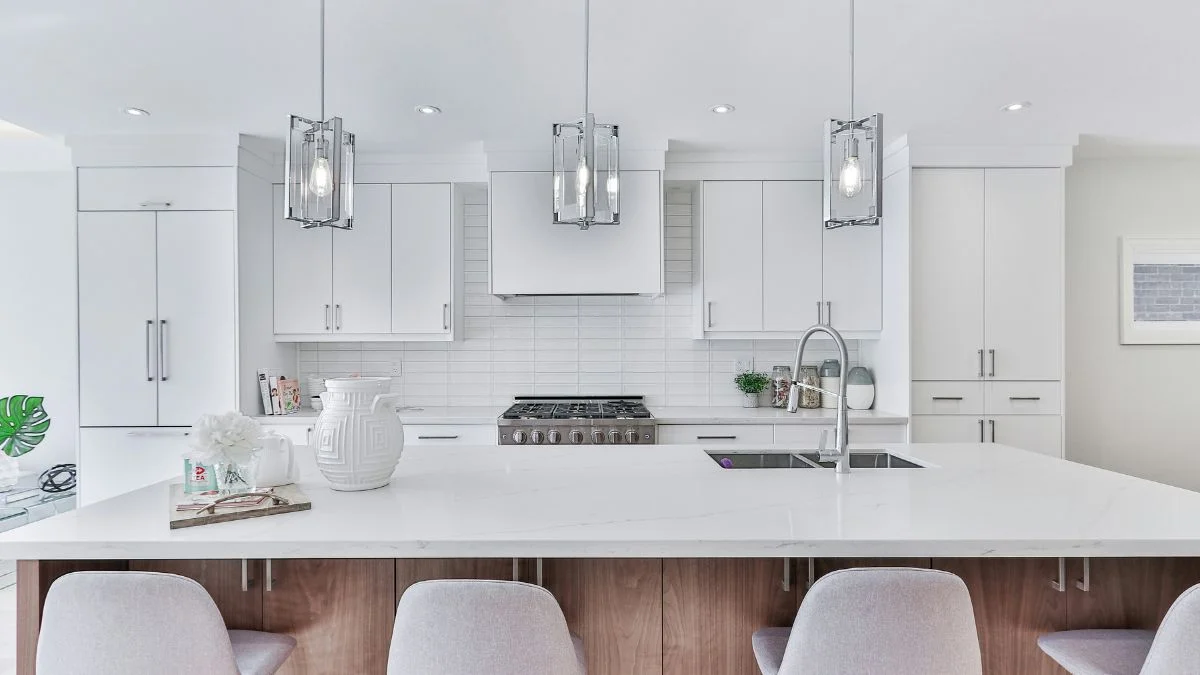
Kitchen island lighting can combine function and style.
Two or three evenly spaced pendants can work well over a standard-size island, while a smaller island may look better with one larger fixture or a compact linear light.
Rather than following a fixed height for every kitchen, use the commonly recommended 30- to 36-inch range above the countertop as a starting point and adjust according to the fixture, ceiling height, and sightlines.
Before installing permanent fixtures, you can temporarily mark the proposed position to make sure the lights won’t interfere with conversations or block your view across the island.
3. Use Recessed Ceiling Lights
Recessed lights provide clean, unobtrusive ambient lighting and work particularly well in kitchens with a modern or minimalist design.
Instead of concentrating all the fixtures in the middle of the ceiling, plan their placement around the areas that actually need illumination. Countertops, walkways, sinks, and cooking areas should all receive adequate light.
4. Light the Kitchen Sink
The sink is an important task zone that is easy to overlook.
A properly positioned light can make washing dishes, preparing food, and cleaning the sink much easier. Depending on the layout, this could be a recessed light, pendant, or another fixture positioned to illuminate the area without creating glare.
5. Create a Dedicated Breakfast Nook Light
If your kitchen includes a breakfast nook or small dining area, give it its own light source.
A pendant, slim linear fixture, or compact chandelier can visually define the eating area while allowing you to dim the brighter cooking lights during meals.
6. Add Lighting Inside Glass-Front Cabinets
Glass-front cabinets can become a design feature when they are softly illuminated from inside.
LED strips or small cabinet lights can highlight dishes, glassware, or decorative pieces without making the space feel overly bright.
Choose a warm or neutral color temperature if you want the display area to feel cozy.
7. Try Toe-Kick Lighting
Toe-kick lighting places a subtle LED strip near the bottom of lower cabinets.
It creates a soft glow along the floor and can work as low-level lighting when you don’t want to turn on the brighter kitchen fixtures. It’s especially useful during late-night trips to the kitchen.
8. Use Dimmable Kitchen Lights
Dimmers give the same kitchen multiple lighting settings.
You may want bright illumination while preparing dinner but a softer glow when you’re eating or talking with family. Separate controls for ambient, task, and accent lighting can make this transition much easier.
9. Choose the Right Color Temperature
Color temperature is measured in Kelvin (K) and affects whether light appears warm or cool.
Warm light around 2700K–3000K creates a softer, more relaxed appearance. Around 3000K–4000K can provide a clean, practical appearance for many kitchen work areas. The U.S. Department of Energy explains color temperature and CRI in more detail.
You don’t necessarily need the exact same temperature everywhere, but keeping nearby fixtures visually consistent usually creates a more cohesive result.
10. Choose High-CRI Bulbs
CRI stands for Color Rendering Index. It describes how accurately a light source reveals colors compared with a reference light source.
For kitchens, a CRI of 90 or higher is a useful target when accurate color appearance matters. Better color rendering can make ingredients, food, cabinets, countertops, and finishes appear more natural.
11. Consider LED Lighting
LEDs are a practical choice for many kitchen lighting applications.
They are available in a wide range of brightness levels, color temperatures, and fixture styles. ENERGY STAR-certified LED products can also provide significant energy savings and longer service life compared with traditional incandescent lighting.
12. Use Reflective Surfaces to Spread Light
Lighting isn’t only about fixtures. The surfaces in your kitchen also affect how bright the room feels.
Light-colored countertops, glossy backsplashes, painted cabinets, and other reflective surfaces can help distribute available light around the room.
This can be especially useful in a smaller or darker kitchen.
13. Try a Statement Pendant
Not every kitchen fixture needs to disappear into the ceiling.
A sculptural pendant over an island or breakfast area can act as a focal point while still providing useful illumination. Choose a fixture that fits the scale of the room and doesn’t obstruct important sightlines.
14. Combine Different Fixture Styles Carefully
You don’t have to match every light fixture perfectly.
For example, a kitchen might combine simple recessed lights with brass pendants and subtle LED cabinet lighting. The key is to make sure the finishes, shapes, and color temperatures work together instead of making the room feel visually cluttered.
15. Create Flexible Lighting Zones
One of the most useful kitchen lighting ideas is to divide the room into zones.
For example:
- Cooking zone: brighter task lighting
- Island zone: pendant or linear lighting
- Dining zone: warmer, dimmable lighting
- Cabinet zone: subtle accent lighting
- Walkway zone: ambient lighting
Separate switches or smart controls make it easier to adjust each area depending on what you’re doing.
Best Kitchen Lighting Ideas for Small Kitchens
Small kitchens need careful planning because too many large fixtures can make the space feel crowded. For more ways to brighten compact spaces, see these small room lighting hacks.
A few simple strategies can help:
- Choose compact fixtures. Slim pendants and smaller ceiling fixtures usually work better than oversized chandeliers.
- Prioritize under-cabinet lighting. It puts light exactly where you need it without taking up visual space.
- Use reflective surfaces. A lighter backsplash or countertop can help bounce light around the room.
- Avoid excessive fixture variety. Too many different styles can make a small kitchen feel busy.
- Keep nearby color temperatures consistent. This creates a more unified appearance.
Popular Kitchen Lighting Trends
Some kitchen lighting styles continue to appear frequently in modern kitchen designs.
Dimmable Lighting Zones
Separate controls for ambient, task, and accent lighting make it easier to change the atmosphere throughout the day.
Sculptural Pendant Lights
Oversized or sculptural pendants can become a focal point above a kitchen island or dining area. Materials such as fluted glass, woven textures, brass, and matte finishes can add personality.
Warm-Dim LEDs
Warm-dim LEDs are designed to become warmer in appearance as they are dimmed. This can create a more relaxing atmosphere during the evening.
Mixed Metal Fixtures
Combining finishes such as brass, bronze, black, and stainless steel can add contrast. The important thing is to repeat finishes thoughtfully so the combination feels intentional.
Trends are useful for inspiration, but function should come first. A beautiful fixture isn’t a successful choice if it leaves your main work surface in shadow.
Kitchen Lighting Mistakes to Avoid
Relying on One Ceiling Light
One fixture rarely provides ideal illumination throughout an entire kitchen. Counters, sinks, and work areas can remain underlit.
Hanging Pendants Too Low
Pendants that are too low can block views across the island or interfere with everyday activities. Use the fixture’s size, ceiling height, and sightlines when determining the final position.
Skipping Dimmers
A kitchen often needs different brightness levels throughout the day. Dimmers give you more flexibility without adding extra fixtures.
Choosing Bulbs Only by Price
A very inexpensive bulb may not provide the color quality, brightness, or lifespan you actually need. Check specifications such as lumens, color temperature, CRI, and energy efficiency.
Forgetting the Sink
The sink is a working area too. Make sure it receives enough light for washing, cleaning, and food preparation.
Mixing Too Many Color Temperatures
A kitchen with noticeably different warm and cool lights can sometimes look inconsistent. Plan the color temperature across connected areas before buying multiple fixtures.
How to Choose the Right Kitchen Lighting
Before buying new fixtures, think about how your kitchen is used.
Start by identifying the areas that currently feel too dark. Then decide which lighting layer is missing. If you’re also interested in lighting other rooms, you can explore these living room lighting ideas for another example of layered lighting.
For example, if your countertops are shadowy, prioritize task lighting. If the entire room feels dim, improve ambient lighting. If the kitchen feels flat in the evening, add accent lighting.
Also consider:
- Kitchen size and ceiling height
- Cabinet layout
- Island size
- Existing electrical points
- Fixture dimensions
- Brightness and lumens
- Color temperature
- CRI
- Dimming compatibility
- Overall interior style
This approach can prevent you from buying attractive fixtures that don’t actually solve your lighting problem.
Final Thoughts
The best kitchen lighting ideas don’t necessarily involve a complete renovation. Often, the biggest improvement comes from fixing the weakest part of your existing lighting.
Start with practical task lighting, especially around countertops and sinks. Then improve ambient coverage and add accent lighting where you want more warmth or visual interest.
If you’re looking for plants to complement your kitchen, these best low-light plants for kitchen can also work well in spaces that don’t receive much natural light.
With the right combination of fixtures, bulbs, and controls, your kitchen can become easier to work in during the day and much more inviting in the evening.
FAQs
1. What are the best kitchen lighting ideas?
The best kitchen lighting ideas combine ambient, task, and accent lighting. This layered approach provides general illumination while also giving extra light to work areas such as countertops, sinks, and islands.
2. How many pendant lights should hang over a kitchen island?
It depends on the size and shape of the island. Two or three evenly spaced pendants are common for larger islands, while a smaller island may work better with one larger fixture or a compact linear light.
3. What color temperature is best for kitchen lighting?
Around 3000K–4000K can work well for many kitchen work areas because it provides clear, practical illumination. Warmer 2700K–3000K lighting can be a good choice for dining areas and spaces where you want a cozier atmosphere.
4. Is under-cabinet lighting worth installing?
Yes. Under-cabinet lighting directly illuminates the countertop and can reduce shadows caused by overhead lighting. It’s one of the most practical kitchen lighting ideas for improving visibility in food preparation areas.
5. How high should pendant lights hang above a kitchen island?
A common starting point is around 30 to 36 inches above the countertop. The final height should be adjusted according to ceiling height, fixture size, and sightlines.
6. Are LED bulbs good for kitchen lighting?
Yes. LEDs offer many options for brightness, color temperature, and fixture style. ENERGY STAR-certified LEDs can also use substantially less energy and last longer than incandescent bulbs.
7. What are the best kitchen lighting ideas for a small kitchen?
Start with under-cabinet lighting, better task lighting, and appropriately sized fixtures. Light-colored and reflective surfaces can also help distribute available light throughout the room.
8. What does CRI mean in kitchen lighting?
CRI stands for Color Rendering Index. It describes how accurately a light source shows colors. A CRI of 90 or higher is a useful target when accurate color appearance is important, particularly for food and kitchen finishes.




- Be Respectful
- Stay Relevant
- Stay Positive
- True Feedback
- Encourage Discussion
- Avoid Spamming
- No Fake News
- Don't Copy-Paste
- No Personal Attacks
- Be Respectful
- Stay Relevant
- Stay Positive
- True Feedback
- Encourage Discussion
- Avoid Spamming
- No Fake News
- Don't Copy-Paste
- No Personal Attacks
