Indoor Plants That Tolerate Dry Air: 15 Hardy Picks for Every Home
Published: 7 Sep 2026
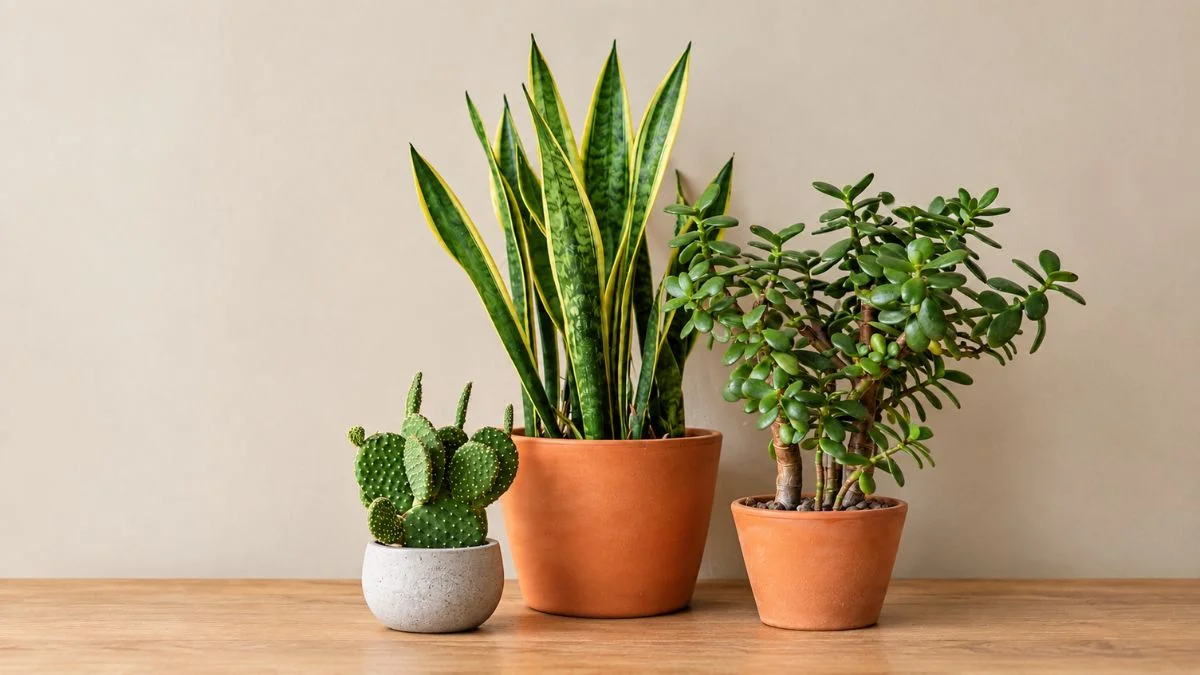
If you’ve ever watched a fern go crispy the moment winter heating kicks in, you already know the struggle. Dry indoor air is one of the most common and most underestimated reasons houseplants fail. The good news? Plenty of indoor plants that tolerate dry air actually thrive in these conditions, no humidifier or daily misting required.
This guide walks you through why indoor air dries out, what makes certain plants naturally resilient, and 15 dependable options to fill your home with greenery without the constant upkeep.
Table of Contents
Why Indoor Air Gets So Dry (and Why It Matters for Plants)
Central heating, air conditioning, and sealed modern homes all pull moisture out of the air. According to the U.S. Environmental Protection Agency, indoor relative humidity can drop well below the 30–50% range recommended for comfort during winter months, especially in heated homes.
Most tropical houseplants, the kind we love for their big, glossy leaves, evolved in rainforest understories where humidity regularly sits above 60%. Drop that number to 20% or lower, and their leaf tips brown, growth stalls, and pests like spider mites move in faster, since these mites actually prefer dry conditions.
That’s exactly why choosing dry-air-tolerant species matters more than fighting the environment with constant misting.
What Makes a Plant Dry-Air Tolerant?
Not all houseplants respond to low humidity the same way. Plants that handle dry air well usually share a few traits:
- Thick or waxy leaves that reduce water loss through transpiration
- Succulent tissue capable of storing water for extended periods
- Native origin in arid or semi-arid regions such as West Africa, Central America, or the Mediterranean
- Slow growth habits, which naturally lower their water and humidity demands
Understanding this helps explain why a snake plant shrugs off a heated apartment in January while a maidenhair fern sulks within days.
15 Best Indoor Plants That Tolerate Dry Air
1. Snake Plant (Dracaena trifasciata)
Formerly classified as Sansevieria, the snake plant is practically the mascot of low-maintenance houseplants. Its thick, upright leaves store water efficiently, letting it handle both dry air and inconsistent watering. It also tolerates low light, making it a favorite for bedrooms and offices. If you’re picking a container for one, our guide on choosing the right pots for your indoor plants covers drainage and material options that suit slow-drying succulent soil.
2. ZZ Plant (Zamioculcas zamiifolia)
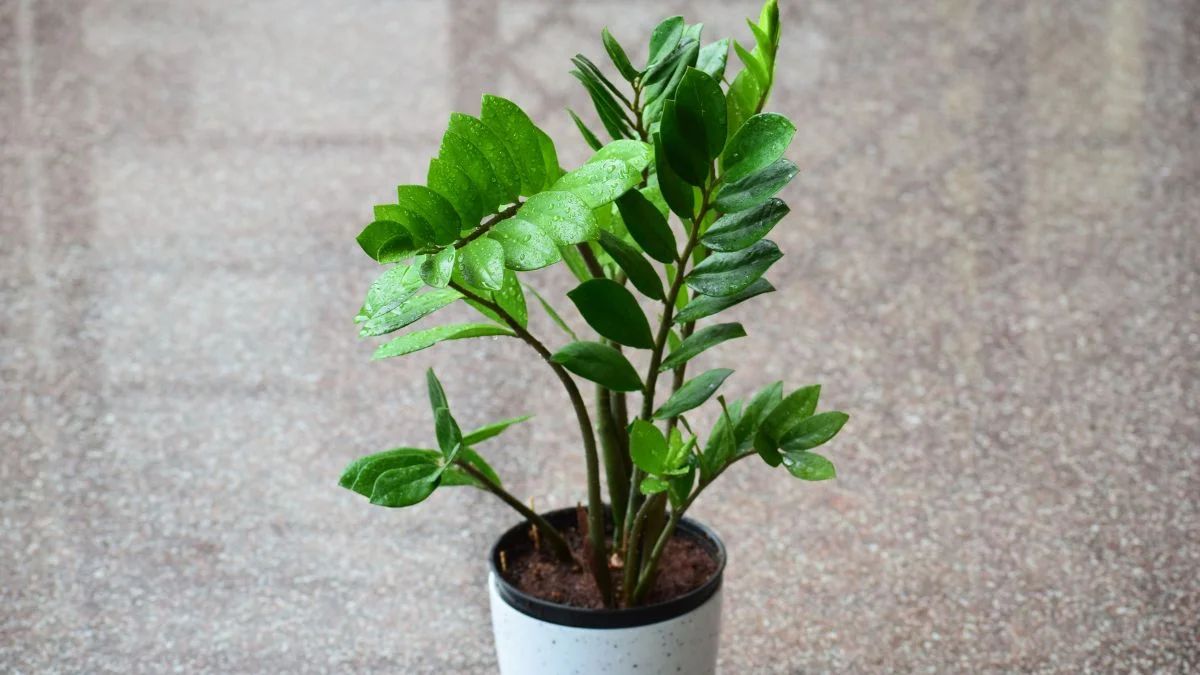
The ZZ plant grows from thick rhizomes that act as internal water reservoirs. This adaptation, native to dry grasslands in East Africa, makes it one of the most forgiving plants for centrally heated homes.
3. Pothos (Epipremnum aureum)
Pothos is a trailing vine that adapts to almost any indoor condition, including low humidity. Its waxy leaves resist moisture loss, and it’s often recommended by university extension programs as an entry-level houseplant for beginners.
4. Spider Plant (Chlorophytum comosum)
Spider plants tolerate a wide humidity range and are known for producing “pups” , small plantlets that dangle from the mother plant. They’re resilient, fast-growing, and forgiving of occasional neglect.
5. Ponytail Palm (Beaucarnea recurvata)
Despite the name, this isn’t a true palm, it’s a succulent with a bulbous trunk that stores water, similar to how a camel stores fat. Native to dry regions of Mexico, it’s built for arid conditions. Its height and sculptural shape make it a natural fit for styling an empty bedroom corner that needs a bit of visual anchor.
6. Jade Plant (Crassula ovata)
A classic succulent with thick, glossy leaves, the jade plant handles dry air with ease and is often passed down as a “lucky plant” in many households. It prefers bright light and minimal watering.
7. Aloe Vera
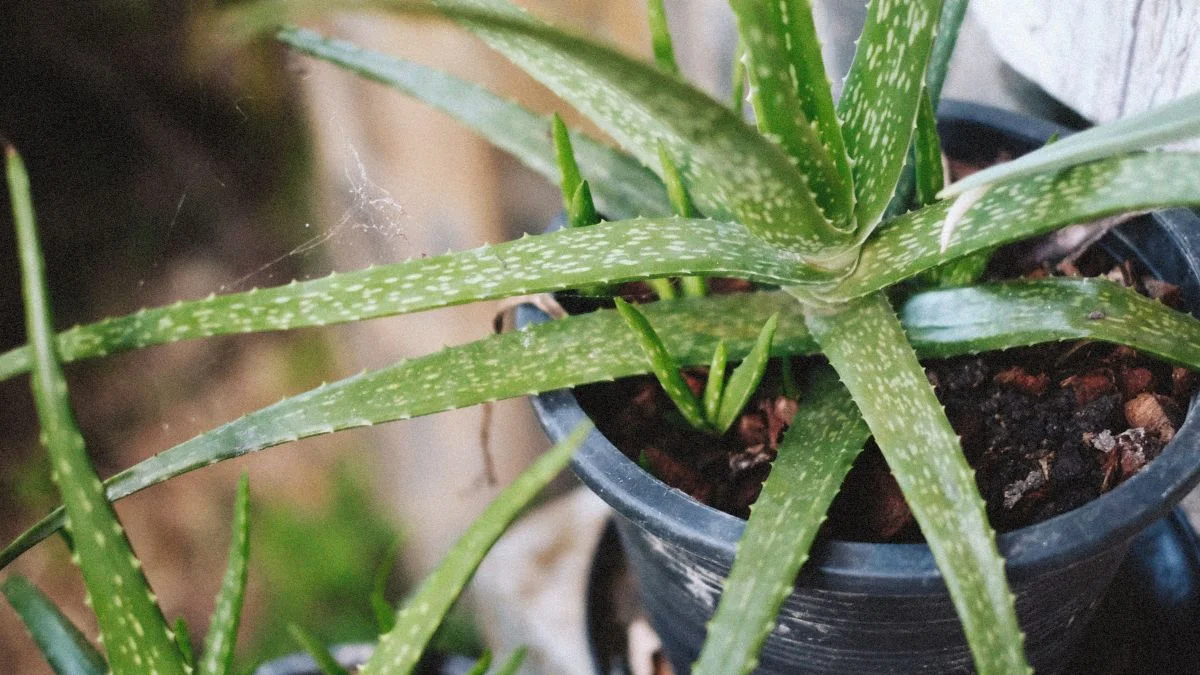
Beyond its skin-soothing gel, aloe vera is a genuinely low-maintenance succulent that thrives in dry indoor environments. It needs bright light and infrequent watering to avoid root rot.
8. Cast Iron Plant (Aspidistra elatior)
As the name suggests, this plant is nearly indestructible. It tolerates low light, irregular watering, and dry air better than most ornamental houseplants, which is why it’s a longtime favorite in Victorian-era interiors.
9. Rubber Plant (Ficus elastica)
While ficus species have a reputation for being fussy, the rubber plant is an exception. Its thick, leathery leaves resist moisture loss, though it does appreciate occasional leaf wiping to stay dust-free and healthy.
10. Dracaena (Various species)
Dracaenas, including the popular “Dragon Tree” variety, tolerate dry indoor air well and add architectural height to a room. They’re slow growers, which further reduces their moisture demands.
11. Haworthia
A compact succulent ideal for desks and shelves, haworthia stores water in its striped, fleshy leaves. It’s an excellent low-humidity option for smaller spaces.
12. Chinese Evergreen (Aglaonema)
Chinese evergreens tolerate a broader humidity range than many tropical plants and adapt well to typical indoor conditions, including drier winter air.
13. Cacti (Various species)
Desert cacti are the ultimate dry-air specialists. Their reduced surface area and water-storing tissue make them essentially unaffected by low indoor humidity, provided they get enough direct light.
14. Yucca
Yucca plants, native to arid regions of the Americas, feature stiff, sword-like leaves built to conserve moisture. They’re a strong choice for bright, dry rooms.
15. Peace Lily (Spathiphyllum) with a caveat
Peace lilies are more humidity-loving than the others on this list, but they’re worth mentioning because they visibly signal when they need water by drooping, then bounce back quickly once watered. This makes them more forgiving of inconsistent humidity than their reputation suggests.
Care Tips to Help Any Houseplant Handle Dry Air
Even hardy plants appreciate a little help during particularly dry stretches, such as peak winter heating season.
- Group plants together. Clustering plants raises the humidity in their immediate surroundings through natural transpiration. This also happens to be a favorite trick in small living room decor, where grouped plants double as a low-cost styling feature.
- Avoid placing plants directly next to heating vents or AC units. Direct airflow accelerates moisture loss.
- Use a pebble tray. Setting pots on a tray of water-covered pebbles (without letting roots sit in water) adds a small humidity boost nearby.
- Water at the soil, not the leaves. For most dry-air-tolerant plants, misting foliage does little good and can invite fungal issues.
- Check soil moisture before watering. Overwatering is a far more common killer of drought-tolerant plants than underwatering.
Signs Your Plant Is Struggling with Low Humidity
Even resilient houseplants have limits. Watch for:
- Brown, crispy leaf tips or edges
- Leaves curling inward
- Slower-than-usual growth during peak growing season
- Increased pest activity, particularly spider mites, which favor dry conditions
If you notice these signs on a plant listed above, it’s usually a sign of a bigger issue like excess heat exposure or root problems rather than humidity alone, since these species are specifically built to tolerate dry air.
Final Thoughts
You don’t need a humidifier running around the clock to keep a home full of thriving greenery. By choosing indoor plants that tolerate dry air like snake plants, ZZ plants, pothos, and succulents you get a resilient, low-maintenance décor that suits busy schedules and dry climates alike.
Start with two or three species from this list, place them away from direct heating vents, and you’ll have a low-fuss indoor garden that holds up through even the driest winter months. Looking to build out the rest of the room around them? Our small bedroom decor ideas have plenty of inspiration for pairing greenery with cozy, functional layouts.
FAQs
1. What are the most low-maintenance indoor plants that tolerate dry air?
The ZZ plant and snake plant are widely considered the most low-maintenance indoor plants that tolerate dry air. Both store water in their tissue and tolerate infrequent watering along with low humidity levels.
2. Do succulents and cacti need any humidity at all?
Succulents and cacti need very little ambient humidity. They’re adapted to arid, desert-like environments, so typical indoor air even during dry winter months poses no issue as long as they get adequate light.
3. Can I use a humidifier instead of choosing dry-air-tolerant plants?
Yes, a humidifier can help humidity-loving plants like ferns and calatheas survive indoors. However, choosing naturally dry-air-tolerant species is a lower-maintenance, more energy-efficient long-term solution.
4. Why do my plant’s leaf tips turn brown in winter?
Browning leaf tips are typically a sign of low humidity combined with heating system airflow. This is common in tropical plants but rare in dry-air-tolerant species like snake plants or dracaenas.
5. Do dry-air-tolerant plants still need regular watering?
Yes, but less frequently than tropical plants. Most dry-air-tolerant species, especially succulents, prefer their soil to dry out completely between waterings to avoid root rot.
6. Are indoor plants that tolerate dry air safe for homes with pets?
Not always. Some popular options, including pothos and snake plants, are mildly toxic to cats and dogs if ingested. Always check the ASPCA’s toxic plant list before bringing a new plant into a pet-friendly home.
7. Which plants on this list also help purify indoor air?
Snake plants, pothos, and spider plants are commonly cited for their air-filtering qualities, based on early NASA research into houseplants and volatile organic compounds. Real-world air purification effects are modest, so they shouldn’t replace proper ventilation.
8. How do I know if my home’s air is too dry for plants?
A simple hygrometer can measure indoor relative humidity. Readings consistently below 30%, especially near heating vents, indicate conditions where even indoor plants that tolerate dry air may benefit from occasional grouping or a pebble tray for extra support.



- Be Respectful
- Stay Relevant
- Stay Positive
- True Feedback
- Encourage Discussion
- Avoid Spamming
- No Fake News
- Don't Copy-Paste
- No Personal Attacks
- Be Respectful
- Stay Relevant
- Stay Positive
- True Feedback
- Encourage Discussion
- Avoid Spamming
- No Fake News
- Don't Copy-Paste
- No Personal Attacks
