Bedroom Lighting Ideas: 12 Layered Lighting Tips for a Cozy Space
Published: 25 Aug 2026
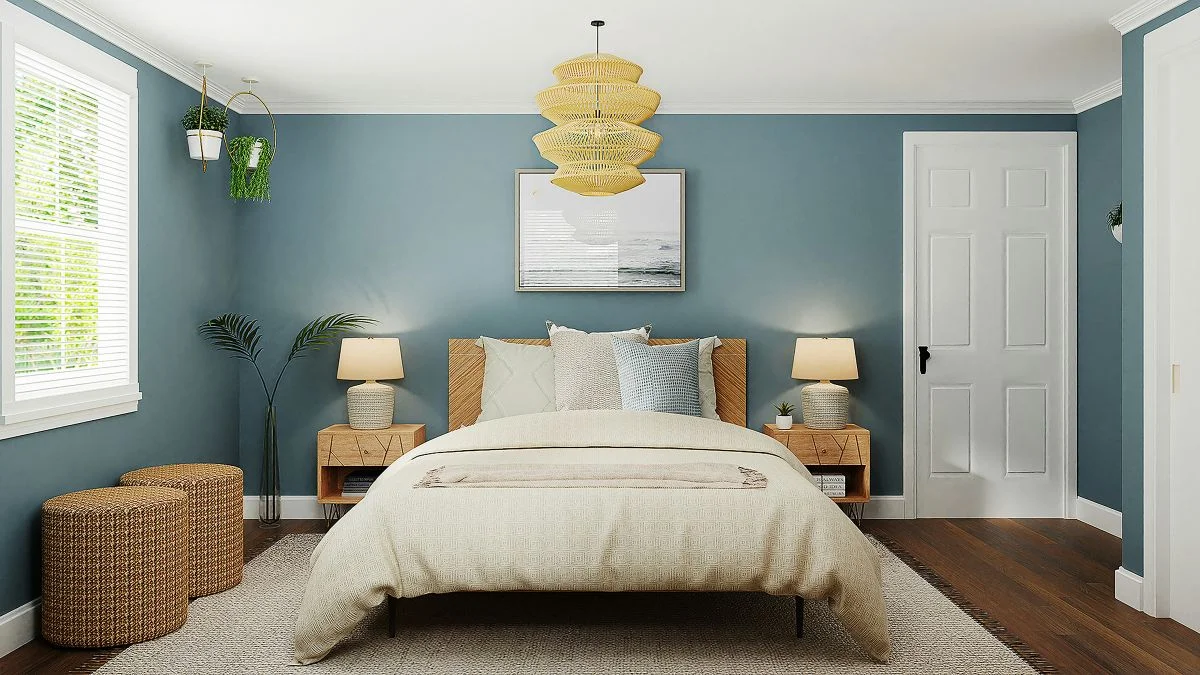
Most people spend more time in their bedroom than in any other room of the house and yet lighting is usually the last thing anyone thinks about when decorating it. A single overhead bulb gets switched on at night, and that’s the extent of the planning. But good bedroom lighting ideas can genuinely change how a room feels, how well you sleep, and how functional the space is for everything from reading to getting dressed in the morning.
This guide walks through practical, tested ways to light a bedroom without turning it into a lighting-showroom lecture. If you’re planning to rethink lighting across the rest of the house too, our general guide to lighting up every room is a good starting point.
Table of Contents
Why Bedroom Lighting Deserves More Thought Than It Gets
A bedroom has to do several jobs at once, which is why the best bedroom lighting ideas rarely rely on just one fixture. It needs bright, functional light for tasks like organizing a closet or applying makeup. It needs softer light for winding down before sleep. And ideally, it needs a layer of light that just makes the room feel warm and inviting when friends or family walk in.
One fixture can’t do all of that well. This is why lighting designers talk about “layered lighting” instead of picking a single light source and calling it done.
There’s also a sleep-science angle worth mentioning. Light exposure particularly its brightness and color affects the body’s circadian rhythm, the internal clock that regulates sleep. The National Sleep Foundation notes that bright or blue-toned light in the evening can delay the release of melatonin, the hormone that signals the body it’s time to sleep. That’s a solid, practical reason to think about what kind of light fills a bedroom at night, not just how much of it there is.
1. Layer Your Lighting with Ambient, Task, and Accent Light
Layered lighting simply means combining three types of light so each one does a specific job:
Ambient Lighting This is the general, overall light in the room, usually from a ceiling fixture, flush mount, or recessed lights. It sets the base brightness level for the whole space.
Task Lighting Focused and functional. Think of a reading light beside the bed, a lamp on a desk, or a well-lit mirror for getting ready. It’s brighter and more directional than ambient light.
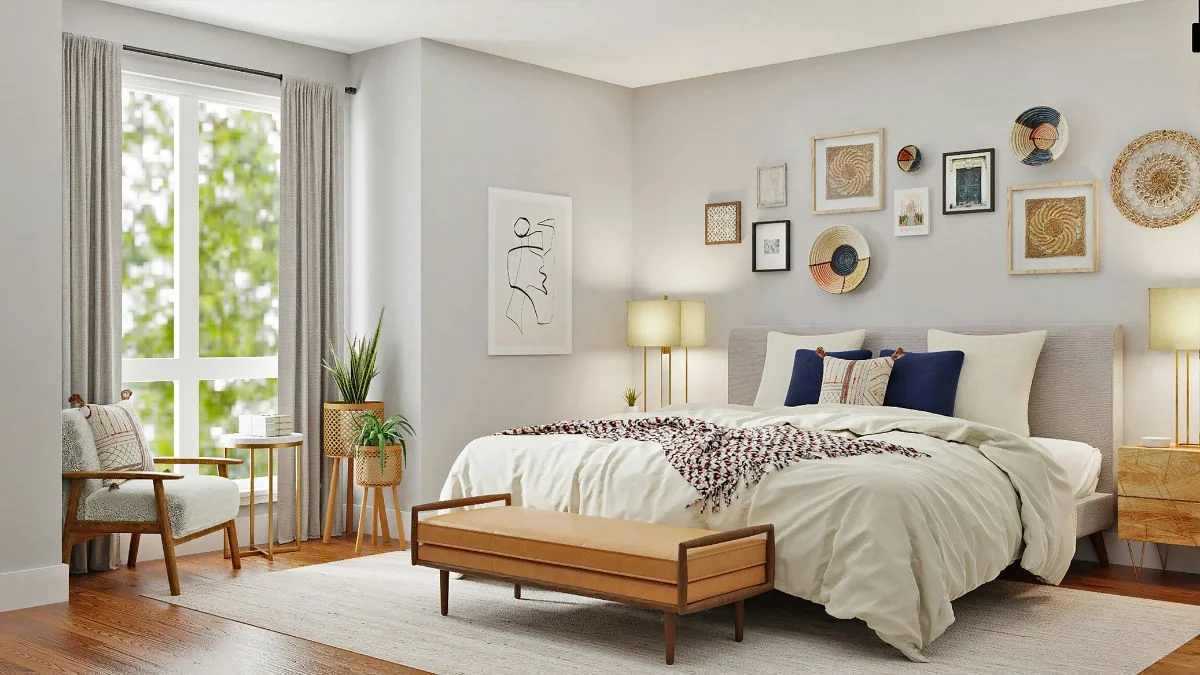
Accent Lighting Adds mood and dimension. This includes string lights along a headboard, LED strip lights behind a bed frame, or a small lamp highlighting artwork. It’s the layer that makes a bedroom feel curated rather than just lit.
Combining all three rather than relying on one bright overhead light is the single biggest upgrade most bedrooms can make.
2. Choose a Warm Color Temperature (2700K–3000K)
Color temperature is measured in Kelvin (K), and it determines whether a bulb’s light looks warm and yellowish or cool and bluish.
- 2700K–3000K (warm white): Cozy, yellow-toned light closest to traditional incandescent bulbs. Best for bedrooms.
- 3500K–4100K (neutral white): Balanced, slightly whiter light. Works well for closets or vanity areas.
- 5000K and above (daylight): Crisp, blue-toned light. Generally too harsh for a bedroom, better suited to kitchens or workspaces.
The U.S. Department of Energy’s Lighting Facts program recommends checking the Kelvin rating on a bulb’s packaging before buying, since two bulbs of the same wattage can look completely different depending on their color temperature. For a bedroom, sticking to the 2700K–3000K range is usually the safest bet for a calm, restful atmosphere. For a deeper dive into this specific range, see our guide to cozy, warm-toned bedroom lighting.
3. Add a Statement Ceiling Fixture or Chandelier
A flush-mount ceiling light is the simplest way to cover ambient lighting, especially in smaller rooms with lower ceilings. In larger bedrooms with higher ceilings, a statement chandelier or a pendant light can double as both light source and centerpiece — just make sure it’s hung with enough clearance so it doesn’t visually crowd the bed. The same layering logic works well for shared spaces too; see how it plays out in our tips for lighting a living room.
4. Install Wall Sconces Beside the Bed
Wall sconces mounted on either side of the bed are a smart alternative to bedside lamps, especially in small bedrooms where nightstand space is limited. They free up surface area and add a symmetrical, hotel-room polish to the space.
5. Add a Nightstand Lamp for Reading
A nightstand lamp remains one of the most practical lighting choices for a bedroom. It provides task lighting for reading and can be switched on without getting out of bed. Look for a shade that diffuses light gently rather than casting a sharp, direct glare especially if a partner sleeps nearby. For style inspiration, check out these lamp styling ideas for any room.
6. Try Pendant Lights Above the Nightstands
Hanging a pair of pendant lights above the nightstands is one of the most popular bedroom lighting ideas for combining ambient and task lighting while keeping the nightstand surface completely clear.
7. Add String Lights or LED Strip Lighting for an Accent Glow
String lights along a headboard or LED strip lighting behind a bed frame add a soft accent glow. These work best on a separate switch or plug, so they can be used independently of the main lighting.
8. Keep Small Bedrooms Simple with Wall-Mounted Fixtures
Small bedrooms benefit the most from careful lighting choices, since there’s less room for error and less room, period.
- Use wall-mounted fixtures instead of floor or table lamps to save surface and floor space.
- Avoid oversized fixtures. A large chandelier can overwhelm a small room; a slim flush mount or a pair of small pendants usually works better.
- Layer with a single warm-toned lamp rather than multiple mismatched light sources, which can make a small space feel cluttered even if the furniture is minimal.
9. Install a Dimmer Switch
Installing a dimmer switch is one of the most cost-effective bedroom lighting upgrades available. It allows the same fixture to go from bright and functional during the day to soft and low in the evening, without needing separate lamps for each purpose. Most standard LED bulbs today are dimmable, but it’s worth checking the packaging, since not all LEDs are compatible with older dimmer switches.
10. Switch to Energy-Efficient LED Bulbs
Switching to LED lighting isn’t just a design choice, it’s a practical one. According to the ENERGY STAR, LED lighting products can use up to 90% less energy than incandescent light bulbs and are designed to last longer, which can add up to meaningful savings over time in a room where lights are often left on for hours.
11. Consider Smart Lighting for Automatic Adjustments
Smart bulbs and plugs allow you to:
- Adjust color temperature throughout the day (cooler light in the morning, warmer light at night)
- Set schedules so lights dim automatically before bedtime
- Control accent lighting like LED strips through a phone app or voice assistant
This isn’t necessary for every bedroom, but for anyone who already prefers a warm-to-cool lighting shift through the day, smart bulbs remove the need to manually change settings.
12. Avoid Common Bedroom Lighting Mistakes
- Relying on a single overhead light. It creates flat, harsh lighting with no flexibility for mood or task needs.
- Choosing the wrong color temperature. Cool white light (5000K+) can make a bedroom feel more like an office than a place to relax.
- Placing lamps where the light shines directly into your eyes while lying down, instead of angling shades downward or toward the wall.
- Forgetting task lighting near mirrors or closets, which leads to poor visibility for everyday routines.
- Overusing accent lighting to the point that the room loses functional brightness altogether.
Bringing It All Together
Good bedroom lighting doesn’t require an expensive renovation. In most cases, it comes down to combining three layers: ambient, task, and accent, choosing a warm color temperature in the 2700K–3000K range, and adding a dimmer switch where possible. Start with one improvement, like swapping a harsh overhead bulb for a warmer one or adding a bedside lamp with a soft-glow shade, and build from there.
The goal isn’t a showroom-perfect bedroom; it’s a room that actually feels good to be in, whether you’re getting ready in the morning or winding down at night. Pairing the right light with the right greenery can round things off nicely too; here are some low-light plant options that thrive indoors.
FAQs
1. What is the best color temperature for bedroom lighting ideas?
Warm white light in the 2700K–3000K range is generally best when exploring bedroom lighting ideas, as it creates a calm, cozy atmosphere and avoids the harsher, blue-toned look of higher Kelvin bulbs.
2. What is layered lighting, and why does it matter for bedroom lighting ideas?
Layered lighting combines ambient (overall), task (functional), and accent (decorative) lighting, one of the most effective bedroom lighting ideas so a bedroom can adapt to different needs, bright enough for tasks and soft enough for winding down.
3. Are LED bulbs good for bedrooms?
Yes. LED bulbs use significantly less energy than incandescent bulbs, last longer, and are available in warm color temperatures suited to bedrooms.
4. What are good bedroom lighting ideas for a small room without making it feel cluttered?
Use wall-mounted sconces or pendant lights instead of table lamps to save surface space, and stick to one or two warm-toned fixtures rather than multiple mismatched light sources.
5. Do dimmer switches work with all LED bulbs?
Not always. Many modern LED bulbs are dimmable, but it’s important to check the packaging, since some LEDs aren’t compatible with older or non-LED-rated dimmer switches.
6. Is bright light bad for sleep?
Bright or blue-toned light in the evening can interfere with melatonin release, the hormone that helps regulate sleep, which is why warmer, dimmer lighting is recommended for bedrooms at night.
7. What’s a good alternative to a bedside table lamp?
Wall sconces or pendant lights mounted above the nightstand offer the same task lighting without taking up surface space, which is especially useful in smaller rooms.
8. Is smart lighting worth it for a bedroom?
It depends on personal habits. Smart bulbs are useful for automatically adjusting color temperature and brightness throughout the day, but a simple dimmer switch achieves a similar effect for anyone who wants a low-cost option.





- Be Respectful
- Stay Relevant
- Stay Positive
- True Feedback
- Encourage Discussion
- Avoid Spamming
- No Fake News
- Don't Copy-Paste
- No Personal Attacks
- Be Respectful
- Stay Relevant
- Stay Positive
- True Feedback
- Encourage Discussion
- Avoid Spamming
- No Fake News
- Don't Copy-Paste
- No Personal Attacks
