Home Lighting Ideas: A Room-by-Room Guide to Brighter, Better-Lit Spaces
Published: 23 Aug 2026
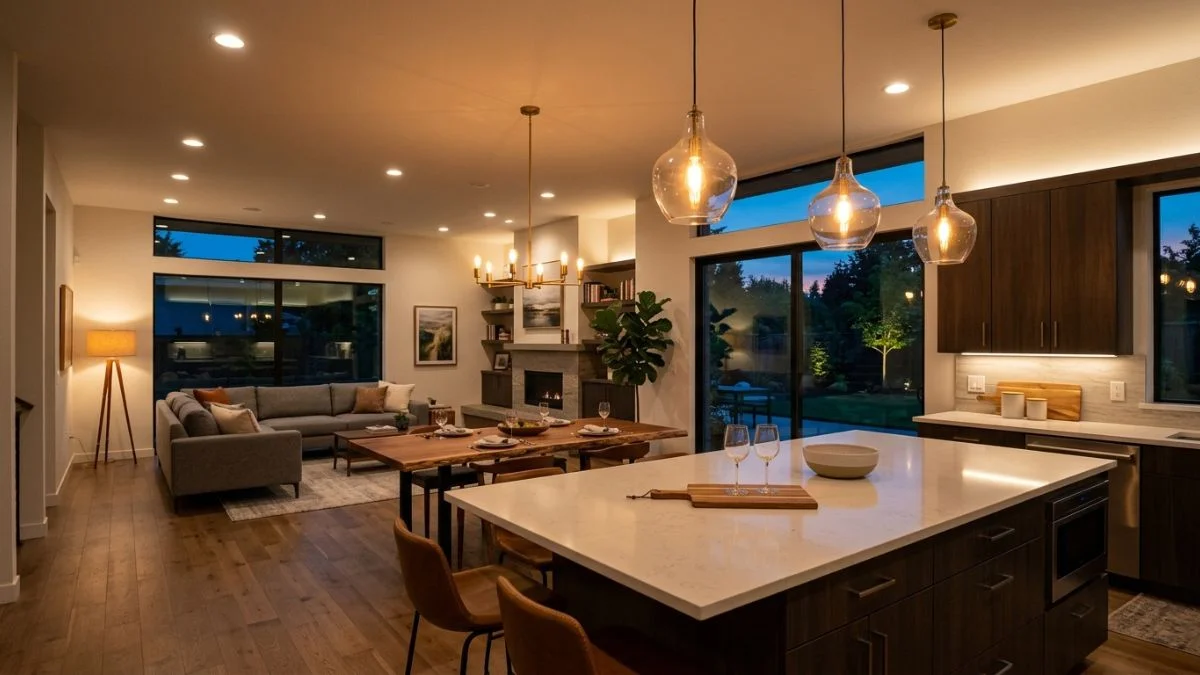
Good home lighting ideas can change a room more than almost any other design choice, and they usually cost less than new furniture. A dim, flat-lit living room can feel tired even with great decor, while the same space with layered lighting suddenly feels warm and intentional. If you’ve ever walked into a friend’s house and wondered why it “just feels nicer,” lighting is often the quiet reason.
This guide walks through the fundamentals of residential lighting design, then breaks down practical home lighting ideas room by room, so you can plan upgrades that actually work together instead of a random collection of lamps.
Table of Contents
Why Lighting Design Matters More Than You Think
Lighting affects how colors read, how large or small a room feels, and even how people behave in a space. Even simple home lighting ideas, like layering a few fixtures instead of relying on one, can shift how a room feels within minutes. The U.S. Department of Energy notes that lighting typically accounts for a meaningful share of household electricity use, which is one reason efficient fixtures and bulbs matter as much as style.
Beyond efficiency, lighting is functional first and decorative second. A kitchen with only a single overhead fixture makes chopping vegetables harder than it should be, no matter how nice that fixture looks. Getting the function right, then layering in style, is the order that actually works.
Understanding the 3 Layers of Lighting
Professional lighting designers generally work with three layers. Once you understand them, planning any room gets a lot easier.
Ambient Lighting
This is your general, overall light source, usually ceiling fixtures, recessed lights, or a central pendant. It sets the base brightness of a room and should be soft enough not to feel clinical.
Task Lighting
Task lighting is focused light for specific activities: reading, cooking, applying makeup, working at a desk. Under-cabinet kitchen lights and desk lamps fall here. Without it, people end up straining their eyes even in a well-lit room.
Accent Lighting
Accent lighting adds depth and mood, think wall sconces, picture lights, or decorative pendant fixtures with warm, exposed bulbs. It’s the layer most homeowners skip, and it’s usually the one that makes a space feel designed rather than just lit.
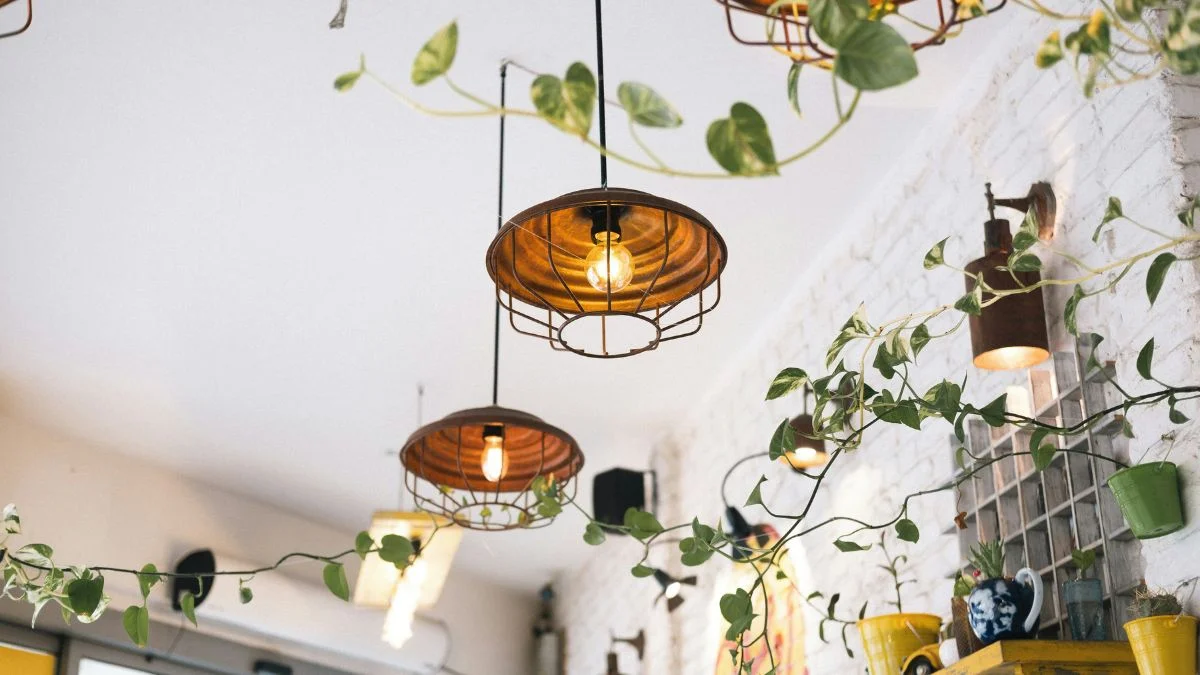
Home Lighting Ideas by Room
Every room has different lighting needs, so the best home lighting ideas aren’t one-size-fits-all. Here’s how to approach each space in your home individually.
Living Room Lighting Ideas
Living rooms benefit the most from all three layers working together. Start with ambient light from a ceiling fixture or recessed cans, add a floor lamp or table lamp near seating for reading, and finish with accent lighting like a sconce over a console table or LED strips behind a media unit. If you’re refreshing your seating area, pairing new lighting with updated small living room decor ideas often makes the biggest visible difference for the least cost.
Dimmer switches are worth the small investment here. They let one fixture serve movie nights and daytime cleaning without needing separate lamps for each mood.
Kitchen Lighting Ideas
Kitchens need the most task lighting of any room. Under-cabinet LED strips eliminate shadows over countertops, while a central ambient source (flush mount or recessed lighting) covers the whole space. Pendant lights over an island add both task light and a decorative focal point.
The National Kitchen and Bath Association recommends layering ambient, task, and accent lighting specifically in kitchens because a single overhead fixture almost always leaves counters in shadow (NKBA). If your kitchen walls feel bare once the lighting is sorted, a few pieces of kitchen wall art decor pull the whole room together.
Bedroom Lighting Ideas
Bedrooms should lean softer and warmer than kitchens or living rooms. Overhead lighting on a dimmer, plus bedside table lamps for reading, covers most needs. For more on why warm lighting ideas for bedroom spaces work better at night than cooler, bluish tones, our dedicated guide breaks down bulb temperature choices in more depth.
Fixture placement matters just as much as bulb choice. Our light fixtures for bedroom ideas guide covers where to position bedside lamps, sconces, and overhead fixtures, and pairs well with a modern lamp decor refresh if your current lamps feel dated. If your bedroom also runs low on natural daylight, it’s worth pairing your lighting plan with a few low-light bedroom plants that thrive under the same conditions.
Bathroom Lighting Ideas
Vanity lighting is the priority in bathrooms, since it’s where most people check their appearance daily. Lights placed at eye level on either side of the mirror reduce harsh shadows far better than a single fixture mounted above it. Add a ceiling fixture for general light and, in larger bathrooms, a small accent light near a tub or shower niche.
Because bathrooms have moisture, fixtures rated for damp or wet locations matter for safety and longevity; the U.S. Environmental Protection Agency’s guidance on bathroom ventilation and moisture control is a useful companion read when planning electrical fixtures in this room.
Entryway and Hallway Lighting
Entryways set the first impression of your home, so they deserve more than a single dim bulb. A statement pendant or flush mount for ambient light, paired with a console lamp or wall sconce, makes the space feel welcoming the moment someone walks in. If you’re planning decor alongside your lighting refresh, our entryway wall decor ideas guide covers pairing fixtures with wall art and mirrors.
Choosing the Right Bulb: Color Temperature and Efficiency
Bulb choice matters as much as the fixture itself. Color temperature, measured in Kelvins (K), determines whether light looks warm and cozy or crisp and energizing:
- 2700K–3000K (Warm White): Best for bedrooms, living rooms, and cozy spaces
- 3500K–4100K (Neutral White): Works well in kitchens and bathrooms
- 5000K+ (Daylight): Best suited for garages, workshops, and task-heavy areas
On efficiency, ENERGY STAR-certified LED bulbs use significantly less electricity than incandescent bulbs and last considerably longer, which adds up across a whole house of fixtures (ENERGY STAR).
Smart Lighting and Energy Savings
Smart bulbs and switches let you schedule lighting, adjust brightness from a phone, and group fixtures into scenes, like “movie night” dimming the living room while leaving a hallway light on. Beyond convenience, scheduling and dimming can reduce unnecessary energy use, particularly in rooms that are frequently left lit out of habit.
You don’t need to smart-enable every fixture. Starting with high-traffic areas, like the living room and kitchen, gives you most of the benefit without a full-home overhaul.
Common Home Lighting Mistakes to Avoid
A few mistakes show up in almost every home, and they’re easy to fix once you know what to look for:
- Relying on one central fixture instead of layering ambient, task, and accent light
- Mismatched color temperatures across the same room, which reads visually “off” even if you can’t say why
- Skipping dimmers in rooms used for multiple activities
- Placing bathroom vanity lights above the mirror only, which creates shadows on the face
- Ignoring bulb brightness (lumens) and shopping by wattage alone, which is an outdated way to compare bulbs
Final Thoughts
You don’t need an electrician’s budget to apply these home lighting ideas. Starting with one room, layering ambient, task, and accent light, and choosing the right bulb temperature will noticeably improve how that space feels. From there, expand room by room, and the rest of your home decor choices will look better simply because the lighting finally supports them instead of working against them.
FAQs
1. What is the difference between ambient, task, and accent lighting?
Ambient lighting provides overall room brightness, task lighting focuses light on specific activities like cooking or reading, and accent lighting adds mood or highlights features like art or architecture. Most good home lighting ideas combine all three layers instead of relying on just one.
2. What color temperature is best for living rooms?
Warm white bulbs between 2700K and 3000K generally work best in living rooms, since they create a relaxed, inviting atmosphere rather than a clinical one. This is one of the simplest home lighting ideas to apply, since it just means swapping bulbs.
3. How many lumens do I need per room?
General guidance suggests roughly 20 lumens per square foot for ambient lighting in living areas, though task areas like kitchens and home offices often need more. Checking a fixture’s lumen output, not just wattage, gives a more accurate sense of brightness.
4. Are LED bulbs really worth the higher upfront cost?
Yes, in most cases. ENERGY STAR-certified LEDs use less electricity and last far longer than incandescent bulbs, which typically offsets the higher purchase price over the bulb’s lifespan.
5. Do I need an electrician to add new lighting?
Simple swaps like lamps, plug-in sconces, or bulb changes don’t require an electrician. Hardwired fixtures, new wiring, or anything involving your home’s electrical panel should be handled by a licensed professional for safety.
6. What’s the best lighting for a home office?
A combination of ambient overhead light and a focused desk lamp with neutral to cool white bulbs (3500K–4500K) tends to reduce eye strain during screen-heavy work.
7. How do I fix harsh shadows on bathroom mirrors?
Add sconces at eye level on either side of the mirror instead of relying only on a fixture mounted above it. Side lighting reduces the shadows that overhead-only setups tend to create.
8. Are smart bulbs worth it for every room?
Not necessarily for every room, but they add the most value in high-traffic spaces like living rooms and kitchens, where scheduling and dimming get used often enough to matter. Starting with these rooms is one of the easier home lighting ideas to try before upgrading the whole house.



- Be Respectful
- Stay Relevant
- Stay Positive
- True Feedback
- Encourage Discussion
- Avoid Spamming
- No Fake News
- Don't Copy-Paste
- No Personal Attacks
- Be Respectful
- Stay Relevant
- Stay Positive
- True Feedback
- Encourage Discussion
- Avoid Spamming
- No Fake News
- Don't Copy-Paste
- No Personal Attacks
