15 Indoor Plant Care Tips for Beginners to Keep Houseplants Healthy, Green, and Beautiful All Year
Published: 28 May 2026
<indoor plant careblock-image size-full”>
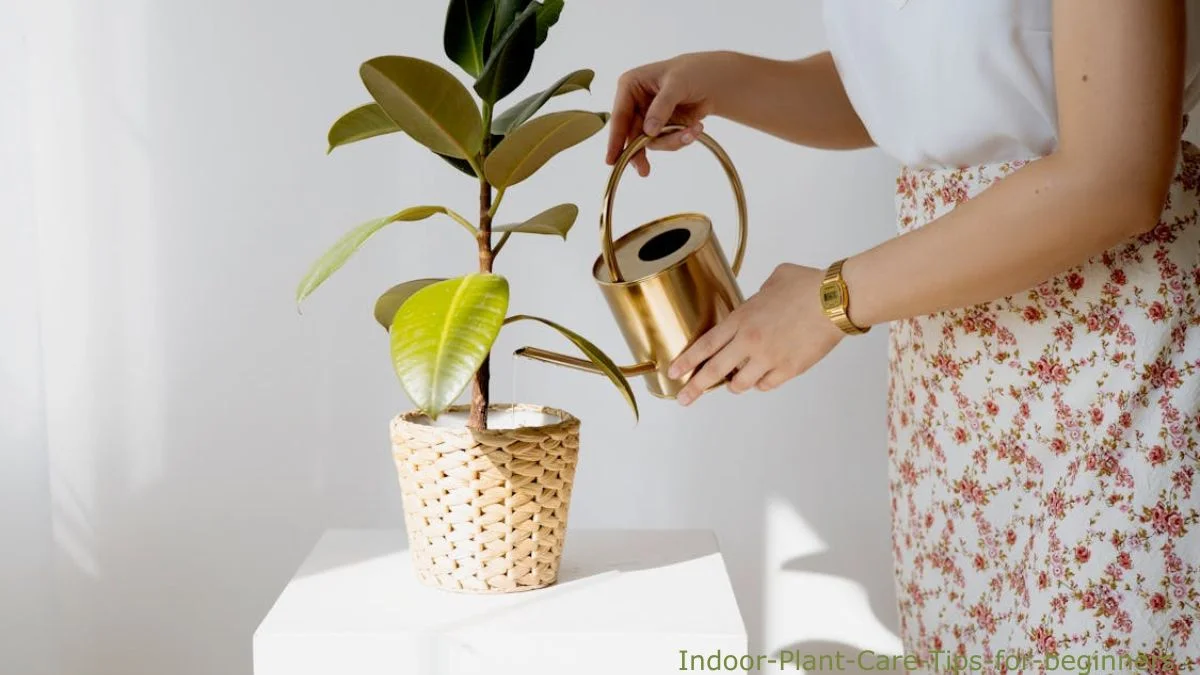
Indoor plants have become one of the most popular ways to improve home interiors naturally. From modern apartments to cozy family homes, greenery instantly makes any room feel fresher, calmer, and more inviting. However, many beginners struggle to keep their houseplants alive because they don’t fully understand proper plant care routines. That’s why learning the right Indoor Plant Care Tips for Beginners is essential before building your indoor garden.
The good news is that indoor gardening does not have to feel difficult or expensive. With the right lighting, watering habits, humidity control, and maintenance techniques, even first-time plant owners can grow thriving and beautiful plants indoors. Over the years, experienced home gardeners and interior design experts have shared practical methods that make indoor plant care simple and stress-free.
In this detailed guide, you’ll discover realistic and easy-to-follow Indoor Plant Care Tips for Beginners that actually work. You’ll also learn about common mistakes to avoid, expert-backed recommendations, affordable plant care tools, and simple ways to keep your indoor plants healthy throughout every season. Whether you want to decorate your living room, improve indoor air quality, or start a relaxing new hobby, this guide will help you confidently begin your indoor gardening journey.
Table of Contents
Why Indoor Plants Are Important for Modern Homes
Indoor plants do much more than simply decorate your living space. Following the right Indoor Plant Care Tips for Beginners helps create a healthier and more relaxing environment while adding natural beauty to your home.
Benefits of Indoor Plants
- Improve indoor air quality naturally by reducing airborne toxins
- Create a peaceful and stress-free atmosphere indoors
- Add warmth, texture, and color to modern home interiors
- Increase humidity levels during dry weather conditions
- Offer an affordable home improvement solution for beginners
Many interior designers and wellness experts recommend indoor plants because they improve both aesthetics and emotional well-being.
Why Indoor Plants Are Important for Modern Homes
Indoor plants do much more than simply decorate your living space. They create a healthier and more relaxing environment while adding natural beauty to your home.
Benefits of Indoor Plants
- Improve indoor air quality naturally by reducing airborne toxins
- Create a peaceful and stress-free atmosphere indoors
- Add warmth, texture, and color to modern home interiors
- Increase humidity levels during dry weather conditions
- Offer an affordable home improvement solution for beginners
Many interior designers and wellness experts recommend indoor plants because they improve both aesthetics and emotional well-being.
Choose Beginner-Friendly Indoor Plants
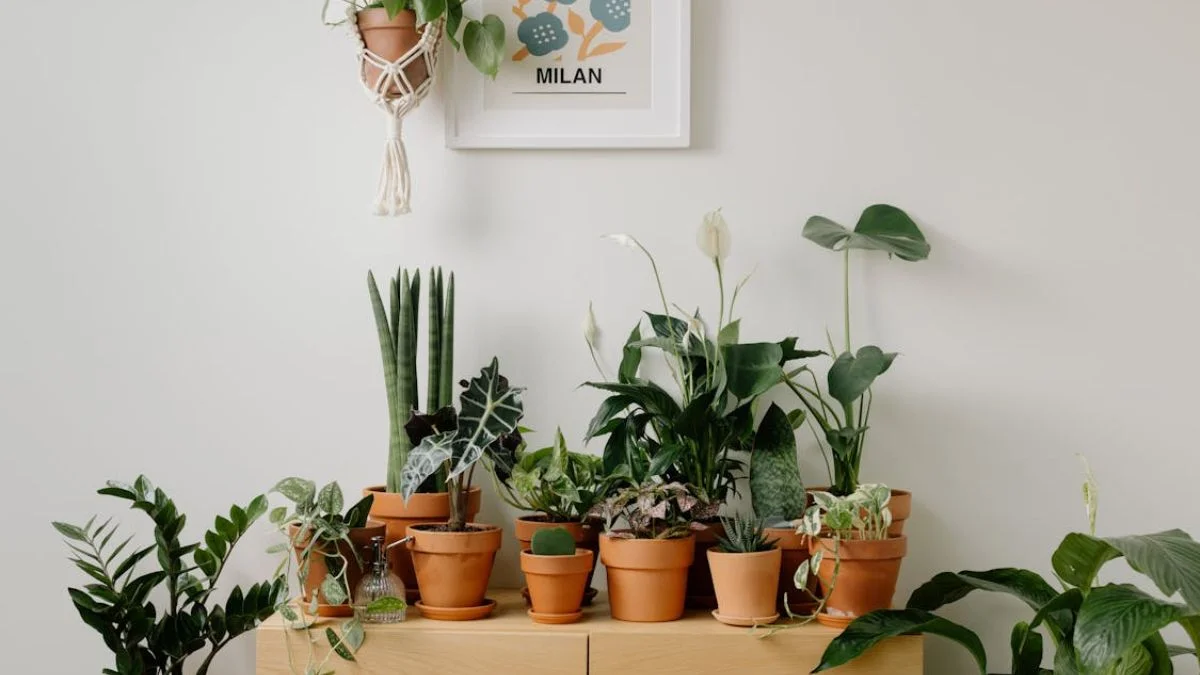
One of the smartest Indoor Plant Care Tips for Beginners is to start with low-maintenance plants that can tolerate occasional mistakes.
Best Indoor Plants for Beginners
Snake Plant
- Requires very little watering and survives in low light
- Perfect for bedrooms, offices, and small apartments
- Known for being one of the easiest indoor plants to maintain
Pothos
- Grows quickly and adapts well to indoor conditions
- Works beautifully in hanging baskets or shelves
- Can tolerate missed watering occasionally
ZZ Plant
- Extremely resilient and ideal for busy homeowners
- Thrives even in low-light rooms
- Needs minimal care throughout the year
Peace Lily
- Produces elegant white flowers and lush green leaves
- Naturally signals thirst by drooping slightly
- Helps improve indoor air quality
Spider Plant
- Pet-friendly and beginner-friendly
- Easy to propagate and grow quickly
- Looks attractive in hanging planters
Starting with easy-care plants helps beginners gain confidence and enjoy indoor gardening without frustration.
Understand Proper Indoor Lighting
Lighting is one of the most important factors for healthy indoor plant growth. Every plant has different sunlight requirements, so placement matters significantly.
Types of Indoor Light
Bright Indirect Light
- Found near windows with filtered sunlight
- Ideal for Monstera, Peace Lily, and Pothos
- Encourages healthy leaf growth without burning foliage
Low Light
- Suitable for Snake Plants and ZZ Plants
- Great for offices or darker corners of the home
- Requires slower watering routines
Direct Sunlight
- Best for succulents and cacti
- Usually available near south-facing windows
- Too much direct sun may damage delicate tropical plants
Experienced indoor gardeners often rotate plants every few weeks for balanced growth and healthier leaves.
Learn the Correct Watering Routine
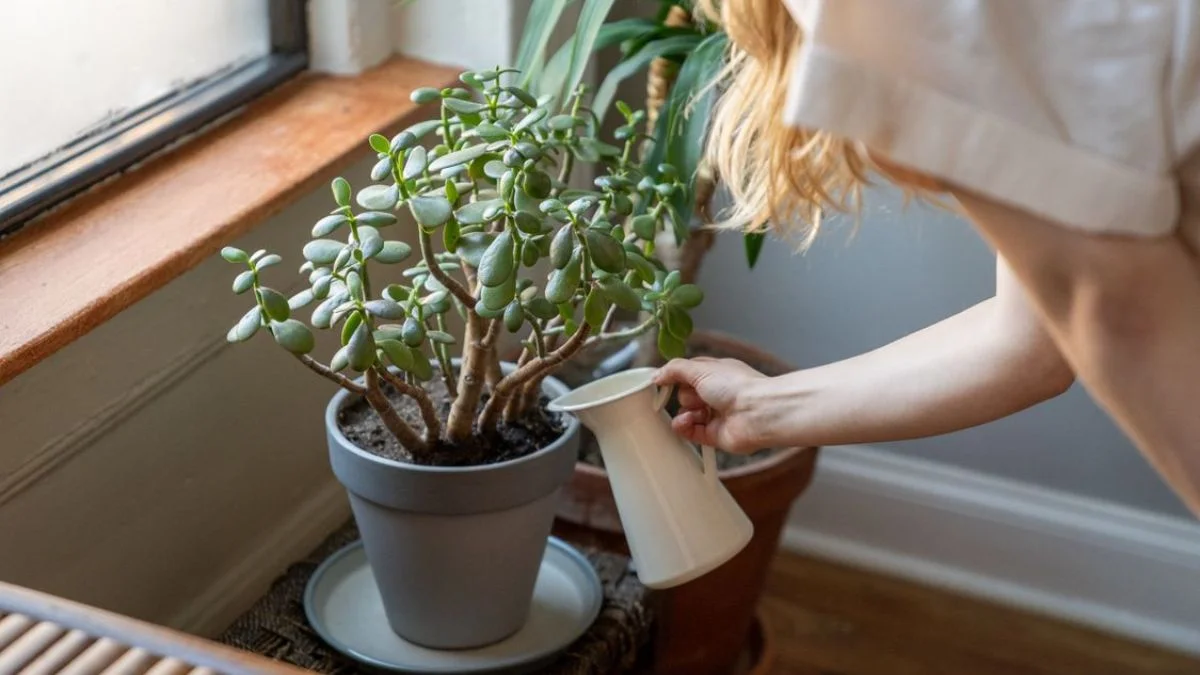
Overwatering remains one of the biggest reasons indoor plants die. Understanding proper watering habits is essential when learning Indoor Plant Care Tips for Beginners.
Easy Watering Tips
- Always check the soil before watering your plants
- Insert your finger one inch deep to test soil dryness
- Choose pots with drainage holes to avoid root rot
- Avoid strict watering schedules because seasons affect moisture needs
- Reduce watering during winter when growth slows down
Professional plant care experts often recommend room-temperature water because cold water may shock sensitive roots.
Use High-Quality Potting Soil
Healthy soil supports proper root development, drainage, and nutrient absorption.
Features of Good Indoor Plant Soil
- Well-draining texture to prevent water buildup
- Lightweight structure that improves airflow around roots
- Nutrient-rich composition for healthy plant growth
- Moisture retention without becoming overly soggy
Different plants require different soil types. Succulents prefer sandy mixes, while tropical plants grow best in moisture-retaining soil.
Maintain Proper Humidity Indoors
Many popular indoor plants originate from tropical environments and prefer moderate humidity levels.
Ways to Increase Humidity Naturally
- Use a humidifier near tropical plants
- Group plants together to create moisture zones
- Place pebble trays filled with water beneath pots
- Mist humidity-loving plants occasionally
Plants like Ferns, Calatheas, and Peace Lilies especially benefit from extra humidity indoors.
Fertilize Indoor Plants Correctly
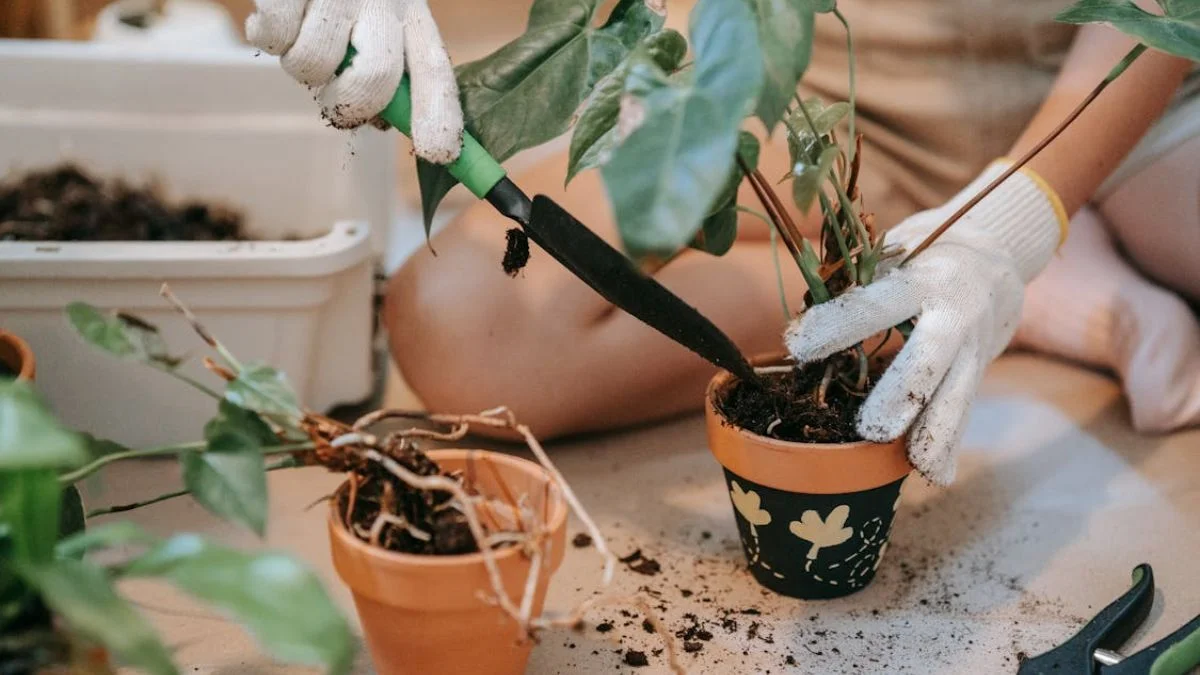
Fertilizers provide essential nutrients that indoor plants may not receive from potting soil alone, making them an important part of effective Indoor Plant Care Tips for Beginners.
Beginner Fertilizing Tips
- Fertilize during spring and summer growing seasons
- Use balanced liquid fertilizer for better nutrient absorption
- Always follow dilution instructions carefully
- Avoid excessive fertilizing because it may damage roots
Many experienced gardeners recommend organic fertilizers because they are safer and gentler for beginners.
Clean Plant Leaves Regularly
Dust buildup can block sunlight and reduce photosynthesis.
Why Cleaning Leaves Matters
- Helps plants absorb more natural light
- Prevents pests from hiding on foliage
- Keeps plants looking vibrant and healthy
Simply wipe leaves gently using a soft damp cloth every few weeks.
Repot Plants When Necessary
As indoor plants grow, their roots eventually need more space.
Signs Your Plant Needs Repotting
- Roots growing through drainage holes
- Water draining too quickly after watering
- Slow or stunted plant growth
- Soil drying out unusually fast
Repotting every one to two years helps maintain healthy root systems and stronger growth.
Avoid Common Indoor Plant Mistakes
Even experienced plant owners make mistakes occasionally. Understanding common issues helps beginners avoid damaging their plants.
Common Plant Care Mistakes
Overwatering
- Causes yellow leaves and root rot
- Leads to fungal growth in soil
- Weakens overall plant health
Poor Lighting
- Slows plant growth significantly
- Causes leggy or weak stems
- Reduces healthy leaf production
Using Pots Without Drainage
- Traps excess water inside containers
- Damages delicate roots over time
- Encourages mold and pests
Sudden Temperature Changes
- Stress plants and damage leaves
- Common near heaters or air conditioners
- Tropical plants are especially sensitive
Plant experts often recommend observing leaves carefully because they usually show early signs of stress or disease.
Protect Indoor Plants from Pests
Indoor plants can occasionally attract pests such as spider mites, mealybugs, or fungus gnats.
Natural Pest Prevention Tips
- Inspect leaves weekly for unusual spots or insects
- Avoid overly wet soil conditions
- Clean plant leaves regularly
- Isolate infected plants immediately
Neem oil sprays are widely recommended by plant care professionals for safe and natural pest control.
Create a Weekly Plant Care Routine
Consistency is one of the most effective Indoor Plant Care Tips for Beginners because regular care prevents major problems.
Simple Weekly Plant Routine
Monday
- Check soil moisture levels
Wednesday
- Rotate plants for even sunlight exposure
Friday
- Clean leaves and inspect for pests
Sunday
- Water plants if necessary
Creating a routine makes plant care easier, especially for busy homeowners.
Recommended Products for Indoor Plant Care
Adding the right tools can make indoor gardening easier and more successful. These beginner-friendly products are commonly recommended by experienced plant owners and gardening enthusiasts.
Moisture Meter
- Helps prevent overwatering mistakes
- Great for beginners learning soil moisture levels
- Easy to use and affordable
LED Grow Lights
- Perfect for rooms with limited sunlight
- Supports healthy growth during winter
- Useful for apartments and offices
Indoor Plant Fertilizer
- Provides essential nutrients for stronger roots and leaves
- Encourages healthy year-round growth
- Available in organic and liquid options
Self-Watering Pots
- Reduce watering stress for busy homeowners
- Help maintain balanced soil moisture
- Stylish and practical for modern interiors
Humidifier
- Improves humidity for tropical indoor plants
- Helpful during dry winter seasons
- Prevents leaf browning and dryness
Naturally adding quality plant care tools can simplify maintenance and improve long-term plant health without making the process feel complicated.
Best Rooms for Indoor Plants
Different rooms provide different environmental conditions for plant growth.
Living Room
- Ideal for larger statement plants like Monstera
- Usually receives bright indirect sunlight
- Creates a cozy and modern atmosphere
Bedroom
- Snake Plants work well due to low maintenance needs
- Adds calmness and natural beauty
- Great for minimalist interiors
Bathroom
- High humidity supports tropical plants
- Perfect for Ferns and Peace Lilies
- Excellent for moisture-loving greenery
Kitchen
- Great for herbs and compact plants
- Usually receives decent natural light
- Adds freshness to cooking spaces
Matching plants with suitable rooms improves their long-term health and appearance.
Seasonal Indoor Plant Care Tips
indoor plants need slightly different care throughout the year.
Spring and Summer Plant Care
- Increase watering slightly as growth speeds up
- Fertilize more regularly during active growth
- Expect healthier leaves and faster development
Fall and Winter Plant Care
- Reduce watering frequency significantly
- Avoid placing plants near cold drafts
- Stop heavy fertilizing during dormancy periods
Seasonal adjustments are important for maintaining healthy houseplants year-round.
Budget-Friendly Indoor Gardening Tips
Indoor gardening does not need to be expensive. Many experienced plant lovers started with only one or two affordable plants.
Save Money While Growing Plants
- Propagate plants from healthy cuttings
- Reuse decorative containers creatively
- Buy smaller plants instead of mature ones
- Use natural sunlight whenever possible
- Exchange plant cuttings with friends or neighbors
These simple ideas make indoor gardening accessible for beginners on a budget.
FAQs
1. How often should beginners water indoor plants?
Most indoor plants should only be watered when the top inch of soil feels dry. One of the most important Indoor Plant Care Tips for Beginners is understanding that overwatering is far more harmful than underwatering.
2. Which indoor plant is easiest for beginners?
Snake Plant, ZZ Plant, and Pothos are some of the easiest indoor plants because they tolerate low light and occasional neglect.
3. Can indoor plants survive without sunlight?
Most indoor plants still need some form of light. Low-light plants can survive in dim rooms, but complete darkness is unhealthy.
4. Why are my indoor plant leaves turning yellow?
Yellow leaves are commonly caused by overwatering, poor drainage, or insufficient lighting conditions.
5. Do indoor plants really improve air quality?
Yes, many indoor plants can help improve indoor air quality by filtering certain toxins and increasing oxygen levels.
6. What tools help beginners care for indoor plants?
Moisture meters, LED grow lights, humidifiers, and self-watering pots are excellent beginner-friendly plant care tools.
Conclusion
Learning the right Indoor Plant Care Tips for Beginners can completely transform your indoor gardening experience. Instead of feeling overwhelmed, beginners can successfully grow healthy and beautiful houseplants by understanding simple care routines like proper watering, lighting, humidity control, and seasonal maintenance.
Indoor plants are more than decorative accessories. They improve air quality, reduce stress, and make homes feel more peaceful and inviting. By starting with beginner-friendly plants and following expert-backed care methods, anyone can build a thriving indoor garden regardless of experience level.
Over time, indoor gardening becomes more than just a hobby. It turns into a relaxing lifestyle that enhances your home, supports your mental well-being, and creates a stronger connection with nature indoors.

- Be Respectful
- Stay Relevant
- Stay Positive
- True Feedback
- Encourage Discussion
- Avoid Spamming
- No Fake News
- Don't Copy-Paste
- No Personal Attacks
- Be Respectful
- Stay Relevant
- Stay Positive
- True Feedback
- Encourage Discussion
- Avoid Spamming
- No Fake News
- Don't Copy-Paste
- No Personal Attacks
