12 Best Indoor Plants for Living Room Transformation: The Ultimate 2026 Guide
Published: 22 Mar 2026
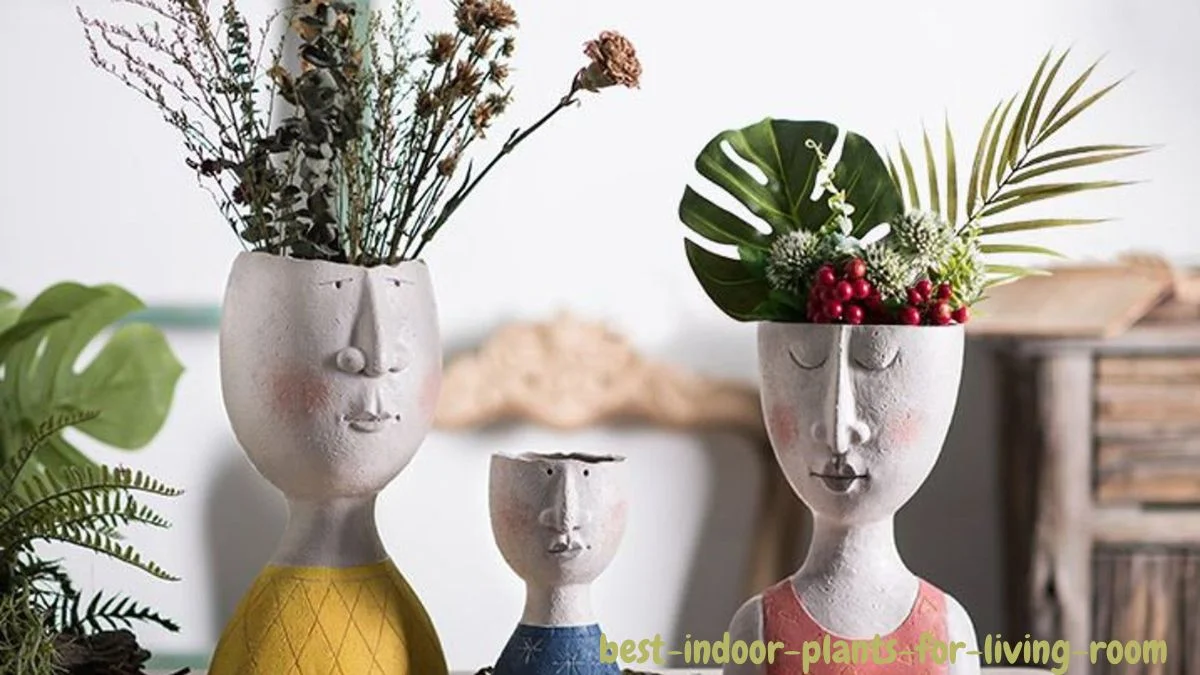
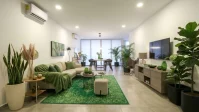
Transforming your house into a sanctuary is a top priority for homeowners this year, and nothing achieves that quite like the Best Indoor Plants for Living Room selection. Whether you are a seasoned “plant parent” or a complete beginner, the right greenery does more than just fill an empty corner; it breathes life into your interior design, improves air quality, and boosts your mental well-being. In 2026, the trend has shifted from “plant clutter” to intentional, sculptural pieces that serve as living art.
Choosing the Best Indoor Plants for Living Room layouts requires a balance of aesthetic appeal and practical care. You have to consider light levels ranging from the harsh afternoon sun to those dim, north-facing corners and how much time you can realistically dedicate to maintenance. With the rise of sustainable indoor gardening, more people are looking for resilient species that thrive in peat-free soil and recycled pots. This comprehensive guide will walk you through the top contenders for your main living space, ensuring your home stays vibrant and fresh all year round.
Table of Contents
Why Your Living Room Needs Indoor Plants
Before we dive into the specific species, it is important to understand why the Best Indoor Plants for Living Room environments are so highly recommended by interior designers and health experts alike.
- Air Purification: Many plants naturally filter toxins like formaldehyde and benzene from the air.
- Aesthetic Versatility: From the trailing vines of a Pothos to the architectural height of a Fiddle Leaf Fig, plants complement any decor style.
- Humidity Control: Plants release moisture through transpiration, which can combat the drying effects of indoor heating.
- Mental Clarity: Studies show that “visible greenness” reduces cortisol levels and improves focus.
Top Low-Light Legends for Dim Corners
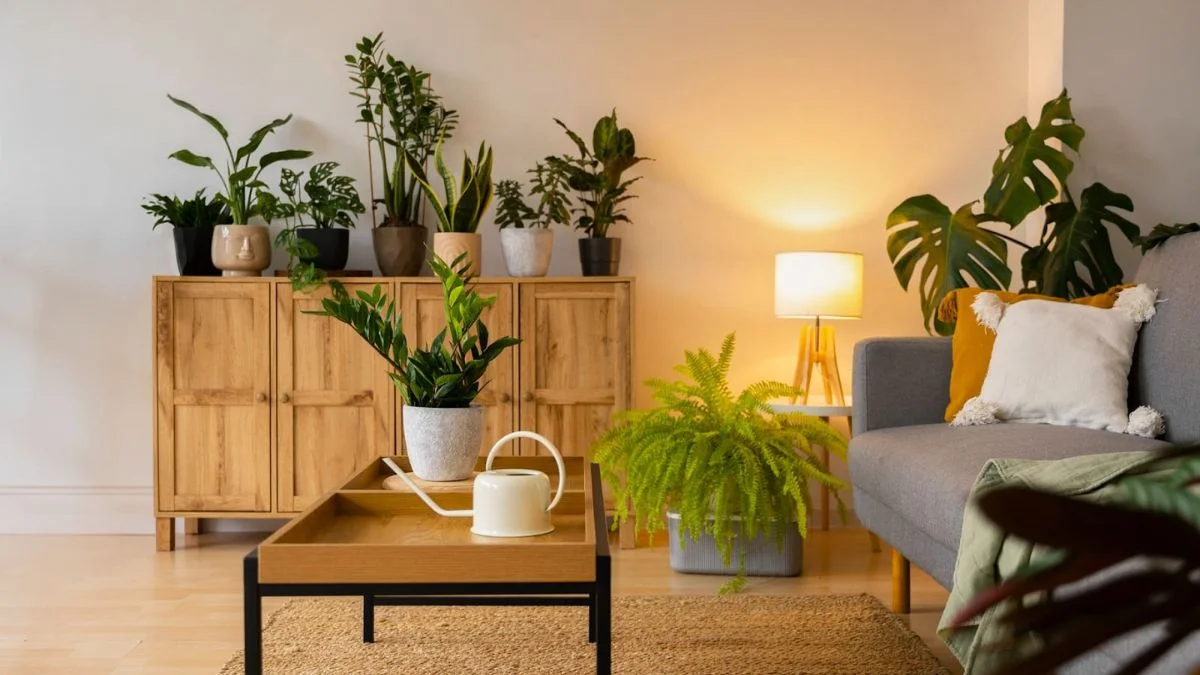
Not every home is blessed with giant windows or bright sunlight all day long. If your space feels a bit dark or lacks direct sun, don’t worry you can still decorate with the Best Indoor Plants for Living Room options that actually enjoy the shade. Finding plants that stay healthy and green even with very little light ensures that every corner of your home feels fresh and beautiful. These hardy plants are perfect for spaces where natural light is hard to find, as they remain lush and vibrant without needing much sunshine.
Statement Plants: Living Sculptures for 2026
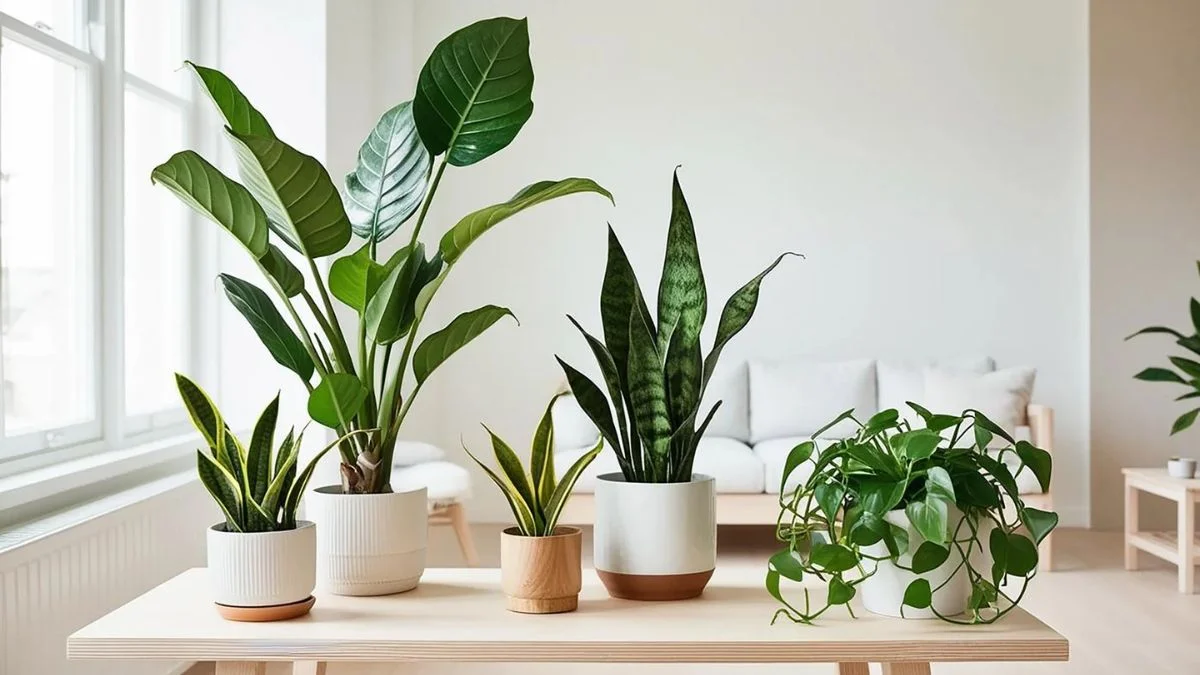
This year is all about “The Year of the Ficus” and large-scale sculptural plants. These specimens act as focal points in modern living rooms. By selecting these bold, structural varieties, you are choosing the Best Indoor Plants for Living Room layouts that command attention while naturally softening the sharp lines of modern architecture. These living masterpieces don’t just fill space; they create a sophisticated, high-end atmosphere that makes any home improvement project feel complete and professionally styled.
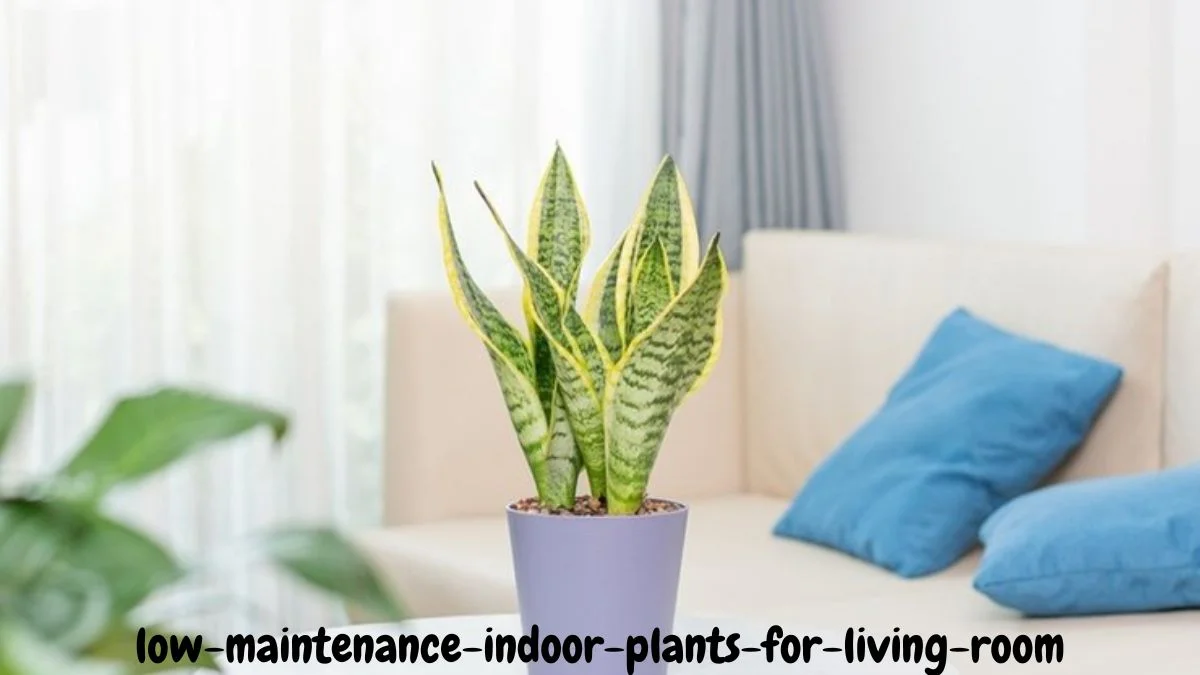
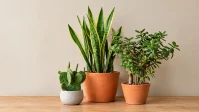
1. The Snake Plant (Sansevieria)
The Snake Plant remains the undisputed king of low-maintenance greenery. In 2026, variegated varieties like ‘Zeylanica’ and ‘Black Coral’ are particularly trendy.
- Care Level: Extremely Low.
- Light: Thrives in low to bright indirect light.
- Watering: Only once every 3-4 weeks; it prefers to stay dry.
- Why it works: Its vertical, sword-like leaves add height without taking up much floor space.
2. ZZ Plant (Zamioculcas zamiifolia)
If you are prone to forgetting your plants, the ZZ plant is your best friend. Its waxy, deep-green leaves reflect light, making even dark corners feel brighter.
- Care Level: “Set it and forget it.”
- Light: Very low light tolerant.
- Watering: Monthly.
- Pro Tip: Avoid overwatering at all costs, as its rhizomes store water efficiently.
3. Pothos (Devil’s Ivy)
For those who love a “jungle vibe,” the Pothos is one of the Best Indoor Plants for Living Room shelves.
- Growth: Rapidly trailing vines.
- Versatility: Can be trained to climb a moss pole or hang from a basket.
- Hardiness: It is famously difficult to kill.
4. Fiddle Leaf Fig (Ficus lyrata)
While it has a reputation for being finicky, the Fiddle Leaf Fig is still a designer favorite. Its massive, violin-shaped leaves are unmatched for visual impact.
- Placement: Needs a bright spot near an east-facing window.
- Care: Sensitive to drafts; keep it in a stable environment.
5. Bird of Paradise (Strelitzia reginae)
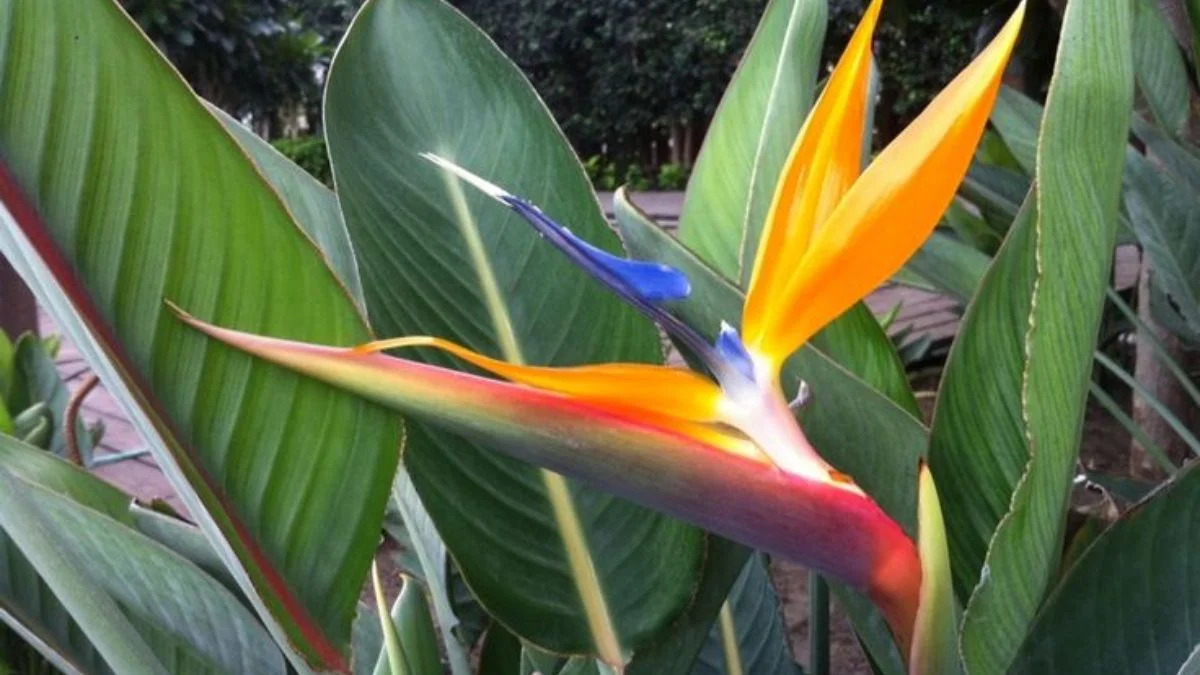
If you have high ceilings and plenty of light, the Bird of Paradise brings a tropical, luxurious feel.
- Feature: Large, banana-like leaves.
- Size: Can reach up to 6-8 feet indoors.
- Light: Requires bright, direct sunlight to truly thrive.
6. Rubber Tree (Ficus elastica)
The ‘Burgundy’ or ‘Tineke’ varieties of the Rubber Tree offer stunning foliage colors that contrast beautifully against neutral-colored walls.
- Benefit: Excellent at removing indoor air pollutants.
- Maintenance: Wipe the large leaves with a damp cloth to keep them glossy and dust-free.
7. Spider Plant (Chlorophytum comosum)
A classic for a reason, the Spider Plant is non-toxic and incredibly easy to propagate.
- Visuals: Arching, grass-like leaves with “babies” that hang down.
- Health: One of the top-rated plants for air purification.
8. Boston Fern (Nephrolepis exaltata)
For a soft, bohemian look, the Boston Fern is ideal. It loves humidity, so it’s perfect if you use a humidifier in your living room.
- Safe for: Both cats and dogs.
- Care: Keep the soil consistently moist (but not soggy).
9. Calathea (Prayer Plant)
Calatheas are famous for their “prayer” movement folding their leaves up at night.
- Style: Intricate, painterly patterns on the leaves.
- Safety: Completely non-toxic.
- Requirement: They prefer filtered water and high humidity.
10. Monstera Deliciosa (Swiss Cheese Plant)
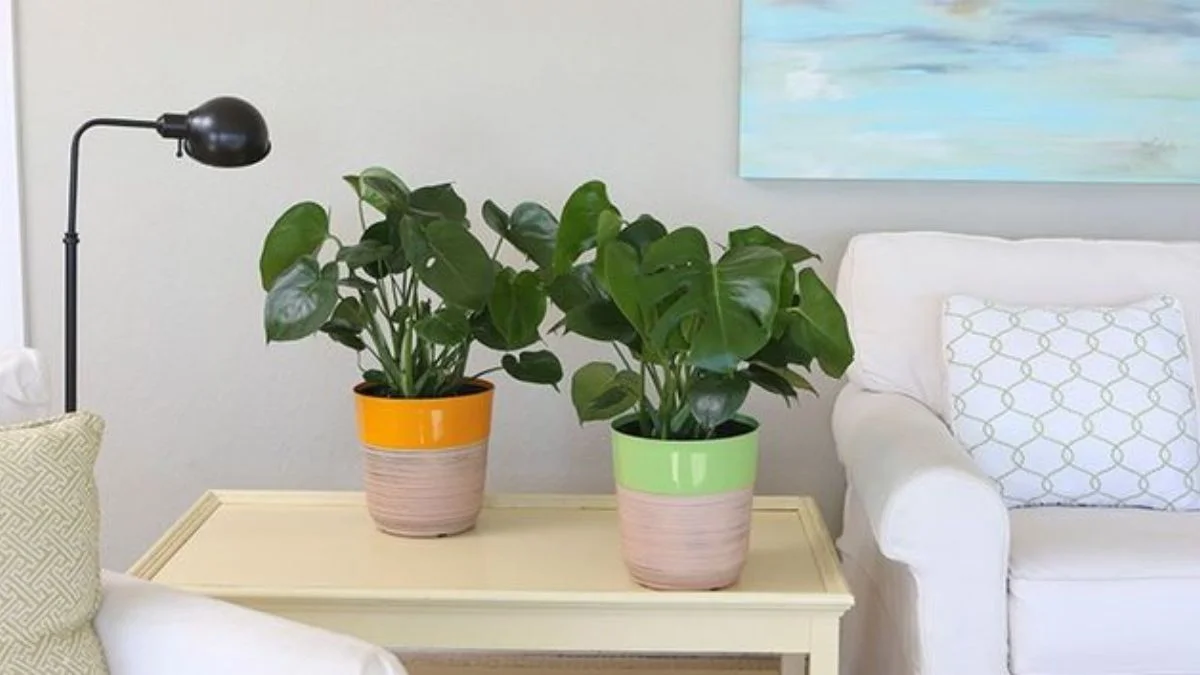
Monstera continues its reign as the “Instagram star” of the plant world. Its iconic perforated leaves are the epitome of tropical chic.
- Support: Use a moss pole to help it grow upward.
- Light: Medium to bright indirect light.
11. Chinese Money Plant (Pilea peperomioides)
Known for its round, coin-shaped leaves, this plant is said to bring good luck and fortune to the household.
- Growth: Produces “pups” frequently, which you can gift to friends.
- Aesthetic: Fits perfectly on coffee tables or end units.
12. Peace Lily (Spathiphyllum)
The Peace Lily is the best of both worlds: beautiful white blooms and lush green foliage.
- Indicator: It “tells” you when it’s thirsty by drooping its leaves.
- Symbolism: Represents peace and tranquility ideal for a relaxation-focused living room.
Care Tips for the Best Indoor Plants for Living Room Longevity
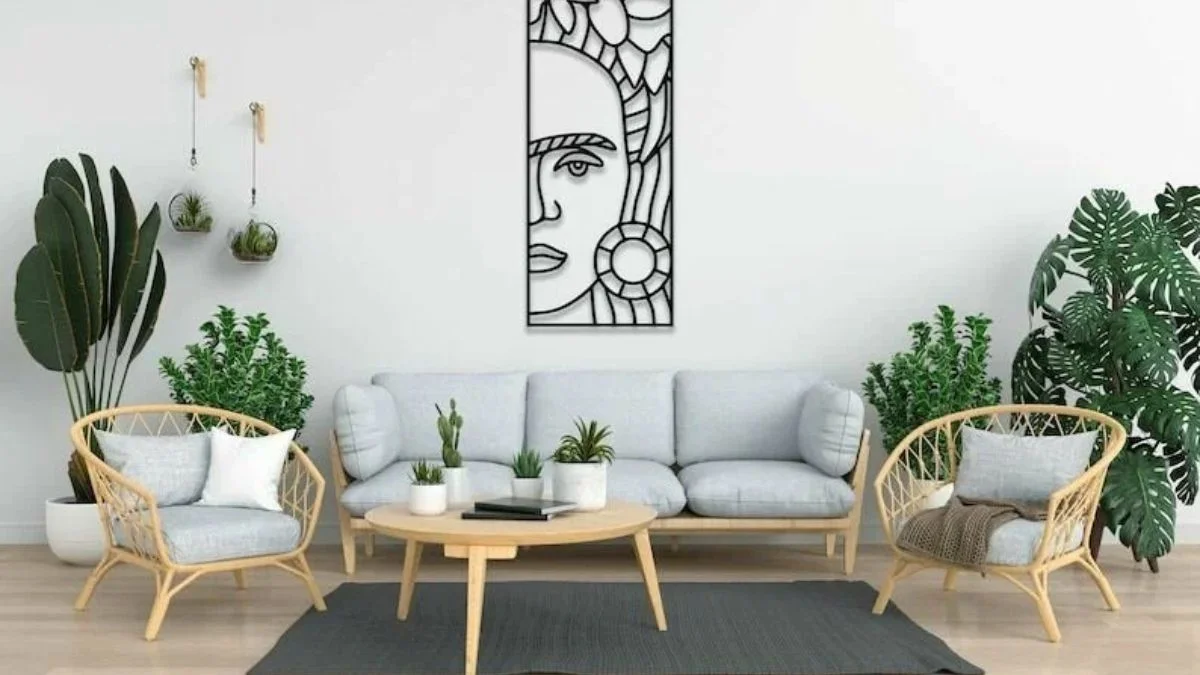
Choosing the right plant is only half the battle. To keep your Best Indoor Plants for Living Room thriving, follow these universal rules:
- Check the Soil: Before watering, stick your finger an inch into the soil. If it’s dry, water it. If it’s damp, wait.
- Drainage is Key: Always use pots with drainage holes to prevent root rot.
- Rotate for Even Growth: Plants grow toward the light. Turn your pots 90 degrees every week to prevent them from leaning.
- Fertilize Seasonally: Feed your plants with a balanced liquid fertilizer during the growing months (Spring and Summer).
- Pest Management: Keep an eye out for spider mites or gnats. A simple neem oil spray usually does the trick.
(FAQs)
Q:1 Which indoor plants are best for beginners?
The Snake Plant, ZZ Plant, and Pothos are widely considered the Best Indoor Plants for Living Room beginners because they are incredibly resilient and tolerate a wide range of light and water conditions.
Q:2 How often should I water my living room plants?
There is no one-size-fits-all answer. Succulents and Snake Plants might only need water once a month, while Ferns and Peace Lilies may need it weekly. Always check the top inch of soil first.
Q:3 Can I keep plants in a living room with no windows?
Most plants need some light to photosynthesize. If your room has zero natural light, you will need to use LED grow lights to keep your plants healthy.
Q:4 Are all “sculptural” plants hard to take care of?
Not necessarily. The Rubber Tree is quite hardy despite its architectural look. However, the Fiddle Leaf Fig is known to be more sensitive to changes in environment.
Q:5 What are the best air-purifying plants?
According to NASA studies, the Snake Plant, Spider Plant, and Peace Lily are among the most effective at removing common household toxins.
Conclusion
Investing in the Best indoor plants for Living Room spaces is one of the most rewarding home improvement steps you can take. Whether you opt for a dramatic Fiddle Leaf Fig or a collection of hardy Snake Plants, you are creating a healthier, more beautiful environment for yourself and your family. Remember that plant care is a journey; don’t be discouraged if a leaf turns yellow occasionally. With the right light, a bit of water, and a lot of love, your indoor jungle will flourish for years to come.
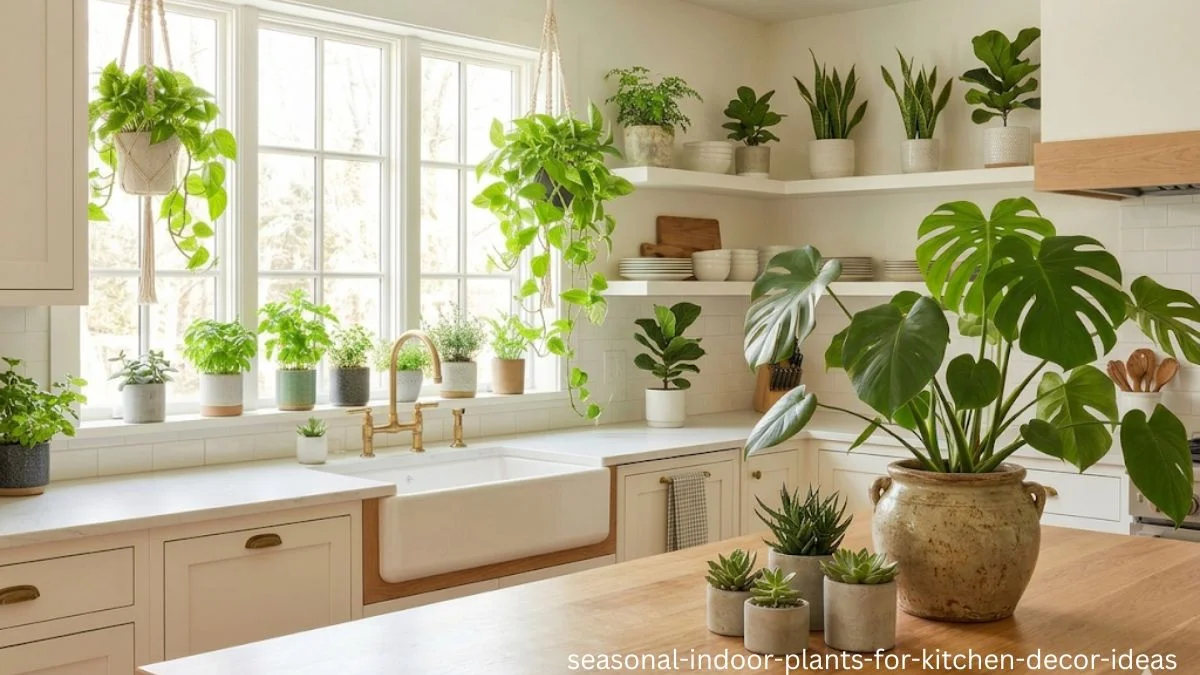
10 Refreshing Seasonal Indoor Plants for Kitchen Decor Ideas to Transform Your Cooking Space


- Be Respectful
- Stay Relevant
- Stay Positive
- True Feedback
- Encourage Discussion
- Avoid Spamming
- No Fake News
- Don't Copy-Paste
- No Personal Attacks
- Be Respectful
- Stay Relevant
- Stay Positive
- True Feedback
- Encourage Discussion
- Avoid Spamming
- No Fake News
- Don't Copy-Paste
- No Personal Attacks
