9 Practical and Proven Ways on How to Soundproof a Wall for a Quieter Home
Published: 21 Dec 2025
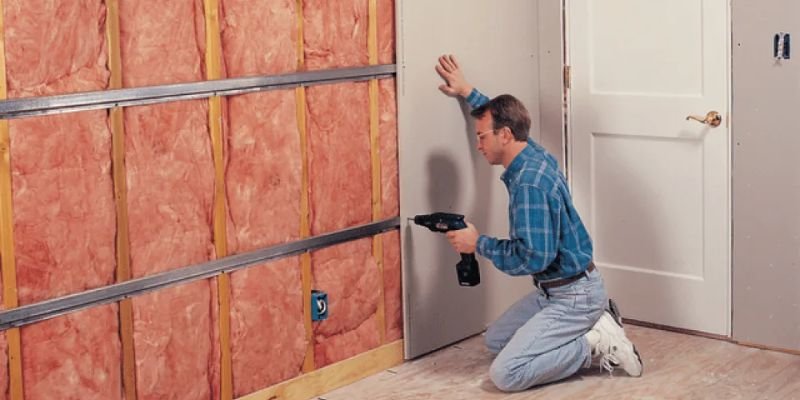
Living in a noisy environment can quickly turn a comfortable home into a stressful space. Whethinterior designic sounds, loud neighbors, construction noise, or even noise traveling between rooms, unwanted sound can disrupt sleep, home improvementl peace of mind. That’s why many homeowners today are actively searching for how to soundproof a wall effectively without compromising interior design or spending excessively. Soundproofing is no longer a luxury reserved for recording studios; it has become a practical home improvement solution for apartments, houses, home offices, and bedrooms alike.
Understanding how to soundproof a wall begins with knowing how sound behaves inside a structure. Sound waves travel through air and solid materials, meaning walls can easily transmit noise if they are thin, hollow, or poorly insulated. Many modern homes prioritize open layouts and lightweight construction materials, which unfortunately allow sound to pass through more easily. By applying the right soundproofing techniques, you can significantly reduce noise transmission and create a more comfortable, peaceful living environment.
Table of Contents
Understanding the Basics of Wall Soundproofing
Before choosing a solution, it’s important to understand that soundproofing focuses on blocking sound transmission, not just absorbing noise. True soundproofing involves adding mass, sealing gaps, and reducing vibration. Acoustic treatment improves sound quality inside a room, while soundproofing stops sound from entering or leaving.
Key principles include:
- Mass: Heavier materials block sound better
- Damping: Reduces vibration within walls
- Decoupling: Separates structures to stop sound travel
- Sealing gaps: Prevents sound leaks
Knowing these basics makes it easier to decide how to soundproof a wall effectively.
1. Add Acoustic Panels for Noise Reduction
Acoustic panels are one of the most popular soundproofing solutions for residential spaces. These panels absorb sound waves and reduce echo, making them ideal for bedrooms, home offices, and media rooms.
Benefits include:
- Easy installation
- Stylish designs available
- Improved sound clarity
While acoustic panels alone don’t fully soundproof, they significantly support anyone learning how to soundproof a wall efficiently.
2. Use Soundproof Drywall for Maximum Impact
Soundproof drywall, also known as acoustic drywall, is denser than regular drywall and designed to block noise. Installing it adds mass and reduces sound transmission between rooms.
Why it works:
- Multiple layers absorb sound vibrations
- Ideal for shared walls
- Long-term soundproofing solution
This is a professional-grade method for homeowners serious about how to soundproof a wall permanently.
3. Seal Gaps and Cracks with Acoustic Caulk
Even the smallest gaps can let sound pass through. Acoustic caulk is flexible and seals cracks around outlets, window frames, and wall joints.
Key advantages:
- Low cost
- Easy DIY solution
- Prevents sound leakage
Sealing gaps is a crucial step in how to soundproof a wall effectively.
4. Install Mass Loaded Vinyl (MLV)
Mass Loaded Vinyl is a heavy, flexible material designed specifically for soundproofing. It’s installed behind drywall or decorative panels to block noise.
Why homeowners love it:
- Thin but heavy
- High sound-blocking capability
- Works well with insulation
MLV is often used by professionals who understand how to soundproof a wall in high-noise environments.
5. Add Insulation Inside the Wall Cavity
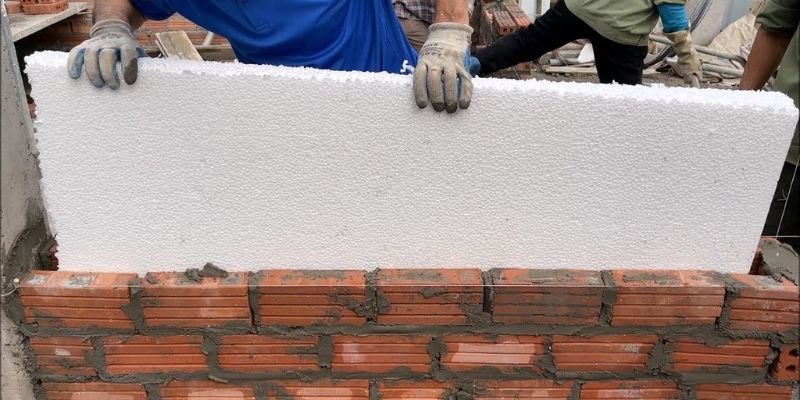
Wall insulation such as mineral wool or fiberglass reduces sound vibration inside walls. This method is best during renovations or remodeling projects.
Advantages:
- Improves soundproofing and thermal efficiency
- Reduces airborne noise
- Long-lasting solution
Insulation is a foundational step when learning how to soundproof a wall properly.
6. Use Bookshelves or Furniture as Sound Barriers
Heavy furniture placed against a shared wall can act as a natural sound barrier. While not a complete solution, it helps reduce noise.
Best options include:
- Full bookshelves
- Upholstered cabinets
- Storage units
This is a renter-friendly approach to how to soundproof a wall without construction.
7. Apply Soundproof Wallpaper or Foam
Soundproof wallpaper and foam panels provide light noise reduction and improve room acoustics. They work best for reducing echo and mild noise.
Benefits:
- Simple installation
- Affordable
- Decorative options
While limited, they support basic how soundproof a wall needs.
8. Build a False Wall for Advanced Soundproofing

A false wall with insulation and drywall creates a decoupled structure that significantly blocks sound.
Why it’s effective:
- Creates air gap
- Adds mass and damping
- Ideal for studios and bedrooms
This method is recommended for those who want a serious answer to how to soundproof a wall.
9. Combine Multiple Soundproofing Techniques
The most effective soundproofing comes from combining methods. For example, insulation +drywall + caulking offers far better results than a single solution.
Layered strategies provide:
- Maximum noise reduction
- Balanced cost and performance
- Custom soundproofing results
This holistic approach is the best way to master how to soundproof a wall.
Common Mistakes to Avoid
- Relying only on foam panels
- Ignoring small gaps
- Expecting 100% silence
- Skipping professional advice for major projects
Avoiding these mistakes ensures your how to soundproof a wall efforts succeed.
Final Thoughts
Learning how to soundproof a wall is one of the smartest home improvement upgrades you can make for long-term comfort, privacy, and peace of mind. In today’s busy world, unwanted noise can easily affect your sleep, concentration, and overall quality of life. Whether you live in a crowded neighborhood, share walls with neighbors, or simply want a quieter indoor environment, effective soundproofing can make a noticeable difference.
The best part is that soundproofing doesn’t always require major construction or a large budget. From simple DIY solutions like sealing gaps and adding acoustic panels to professional-grade upgrades such as soundproof drywall and insulation, there are options for every home and situation. Even small improvements, when applied correctly, can dramatically reduce noise levels and improve the comfort of your living space.how to soundproof a wall today can deliver lasting benefits that you and your family will appreciate for years to come.
FAQs
1. What is the cheapest way to soundproof a wall?
Sealing gaps, using acoustic panels, and adding heavy furniture are budget-friendly options.
2. Can I soundproof a wall without construction?
Yes, temporary solutions like panels, curtains, and bookshelves work well.
3. Does soundproofing completely block noise?
Soundproofing reduces noise significantly but rarely eliminates it entirely.
4. Is soundproof drywall worth it?
Yes, it’s one of the most effective long-term solutions.
5. How long does wall soundproofing last?
Permanent methods can last for decades with proper installation.





- Be Respectful
- Stay Relevant
- Stay Positive
- True Feedback
- Encourage Discussion
- Avoid Spamming
- No Fake News
- Don't Copy-Paste
- No Personal Attacks
- Be Respectful
- Stay Relevant
- Stay Positive
- True Feedback
- Encourage Discussion
- Avoid Spamming
- No Fake News
- Don't Copy-Paste
- No Personal Attacks
