Indoor Plants That Don’t Need Frequent Watering: 10 Easy Picks for Busy Homes
Published: 28 Sep 2026
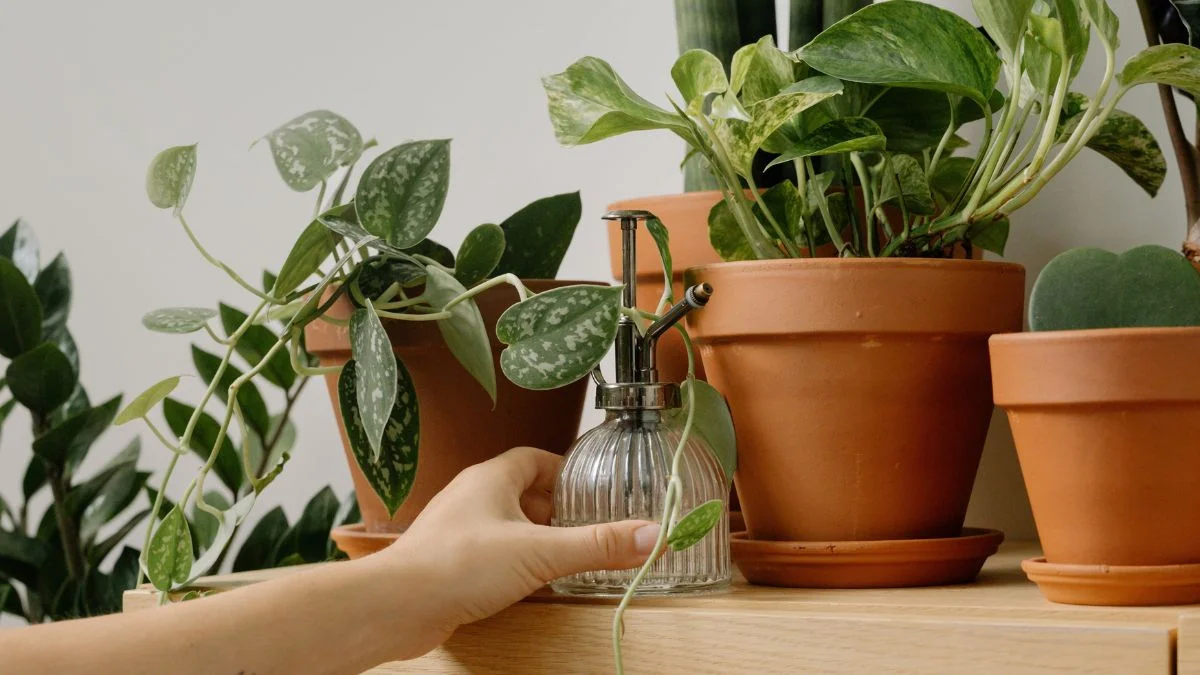
Want to enjoy a home filled with greenery without constantly reaching for the watering can? Some houseplants are naturally better at handling dry soil and can go longer between waterings than thirsty varieties.
Plenty of houseplants prefer a hands-off owner. If your days are packed, you travel, or you simply forget, the ten indoor plants that don’t need frequent watering below can keep your home green, whether you’re placing them in a sunny living room or a cozy bedroom corner. You’ll also learn how to spot when they actually want a drink.
Table of Contents
What Lets a Plant Handle Dry Soil?
Drought-tolerant houseplants carry their own reserves. Jade and aloe hold water inside plump leaves. The ZZ plant tucks moisture into underground rhizomes. The ponytail palm stores it in a bulging trunk, and spider plants keep some in fleshy roots.
Most of these species come from regions with dry spells, so their roots expect the soil to dry out between rains. Keep that soil soggy, and the roots suffocate and rot. The Royal Horticultural Society (RHS) lists overwatering among the common reasons houseplants fail, and it explains why “a little neglect” often works better than daily attention.
10 Indoor Plants That Don’t Need Frequent Watering
Treat the timings here as rough guides, not rules. Light, temperature, pot size, and soil all change how quickly a pot dries.
1. Snake Plant (Dracaena trifasciata)
Upright, striped leaves make the snake plant a tidy choice for bedrooms, hallways, and office desks. It stores moisture in those thick leaves and copes with bright or dim rooms.
- Water: When the soil is completely dry, often every two to four weeks
- Light: Low to bright indirect
- Pets: The ASPCA lists it as toxic to cats and dogs if eaten
2. ZZ Plant (Zamioculcas zamiifolia)
Glossy, dark leaves and a nearly indestructible reputation explain the ZZ plant’s popularity. Its chunky rhizomes act like a pantry, so a missed week rarely matters.
- Water: Once the mix is dry, roughly every two to three weeks
- Light: Tolerates dim spaces, grows faster with bright indirect light
- Pets: Toxic if chewed, according to the ASPCA
Yellow leaves usually point to too much water, not too little.
3. Jade Plant (Crassula ovata)
Jade grows a woody trunk and oval leaves, so it looks like a tiny tree. Give it a sunny windowsill and it may outlive several of your other plants.
- Water: Soak the soil, then wait until it dries; ease off in winter
- Light: Bright, including a few hours of direct sun
- Pets: The ASPCA lists it as toxic to cats and dogs
Wrinkled leaves mean thirst. Soft, squishy leaves mean drowning.
4. Aloe Vera (Aloe barbadensis miller)
The gel inside aloe leaves is a water reserve, which means the plant tolerates forgetful owners as long as it gets strong light.
- Water: About every two to three weeks while warm, less in cool months
- Light: Bright indirect light or a sunny window
- Pets: Listed by the ASPCA as toxic to cats and dogs
Too little light makes aloe stretch and flop.
5. Ponytail Palm (Beaucarnea recurvata)
Not a true palm, this quirky plant grows a round trunk topped with a fountain of curly leaves. The trunk holds the water, so the soil can dry almost fully between drinks.
- Water: Give it a thorough soak, then wait about two to three weeks
- Light: Bright
- Pets: The ASPCA lists it as non-toxic to cats and dogs
6. Spider Plant (Chlorophytum comosum)
Spider plants grow fast and send out dangling baby plantlets you can pot up as gifts. Thick, tuberous roots give them a small water buffer.
- Water: When the top inch or two dries out, usually weekly to biweekly
- Light: Medium to bright, indirect
- Pets: Non-toxic to cats and dogs per the ASPCA
Brown tips often come from minerals in tap water or dry air, not thirst.
7. Cast Iron Plant (Aspidistra elatior)
This plant earned its name by surviving shade, gaps in watering, and general indifference. It suits gloomy corners where other plants struggle.
- Water: When the top few inches of soil feel dry
- Light: Low to medium indirect; direct sun burns the leaves
- Pets: The ASPCA lists it as non-toxic to cats and dogs
8. Hoya (Hoya carnosa)
Waxy, semi-succulent leaves store some moisture, and mature plants can produce fragrant, star-shaped flower clusters. Growth is slow, so patience pays off.
- Water: When the mix is mostly dry, about every one to two weeks depending on light
- Light: Bright indirect light supports blooms
- Pets: Listed as non-toxic by the ASPCA
9. Haworthia (Haworthia species)
Small, spiky rosettes make haworthias ideal for shelves and desks. Many succulents crave a blazing window, but haworthias accept softer light.
- Water: Every two to three weeks in the growing season, less in winter
- Light: Bright indirect; harsh afternoon sun can scorch them
- Pets: The ASPCA lists zebra haworthia as non-toxic, but check your exact species
10. Peperomia (Peperomia species)
This big plant family offers rippled, striped, and rounded leaves in compact sizes. Their slightly fleshy foliage stores a little water, which forgives the occasional delay.
- Water: When the top inch or two is dry, usually every one to two weeks
- Light: Medium to bright indirect
- Pets: Non-toxic to cats and dogs per the ASPCA
Quick Comparison
| Plant | Watering Rhythm | Light Level | Pet-Safe? |
| Snake plant | 2–4 weeks | Low to bright | No |
| ZZ plant | 2–3 weeks | Low to bright | No |
| Jade plant | 2–3 weeks | Bright | No |
| Aloe vera | 2–3 weeks | Bright | No |
| Ponytail palm | 2–3 weeks | Bright | Yes |
| Spider plant | 1–2 weeks | Medium to bright | Yes |
| Cast iron plant | 1–2 weeks | Low to medium | Yes |
| Hoya | 1–2 weeks | Bright indirect | Yes |
| Haworthia | 2–3 weeks | Bright indirect | Yes (check species) |
| Peperomia | 1–2 weeks | Medium to bright | Yes |
Ditch the Calendar: Water by Checking
Plants don’t follow weekly reminders. A few simple habits work better.
Feel the soil. Push a finger two inches down. If it’s cool and damp, wait a few days. If it’s dry, go ahead.
Water deeply, then drain. Pour until water escapes through the bottom holes. Tip out the saucer after about 15 minutes so roots don’t sit in a puddle. Light, frequent splashes tend to grow shallow roots and attract fungus gnats.
Lift the pot. Soil gets lighter as it dries. After a few tries, you’ll recognize the difference in weight without touching the soil.
Slow down in winter. Cooler, shorter days reduce growth, so pots stay wet longer.
Set Up the Pot and Soil Correctly
The best plant still struggles in the wrong container.
Choose drainage holes. They give extra water an exit. If you fall for a decorative pot without one, keep the plant in a plastic nursery pot and drop it inside as a cover.
Try terracotta. Unglazed clay is porous, so moisture leaves through the walls. That makes it a good safety net if you’re prone to overwatering. For more container ideas, see our guide to pots that suit indoor plants.
Loosen the mix. Ordinary potting soil holds more water than desert-style plants like. Cactus or succulent mix solves that, or you can stir perlite or coarse sand into regular soil. The Missouri Botanical Garden’s plant profiles list well-drained soil as a growing requirement for many of these species.
Living in a Humid Climate?
If your home sits in a humid region, or you’re heading into the rainy season, the air itself slows evaporation. Soil that dries in ten days during winter may stay damp for three weeks during monsoon months.
In those conditions, rely on the finger test more than any timetable. Place plants near a window with airflow, and consider terracotta pots and a gritty mix so roots don’t stay wet. If you’re curious which plants actually thrive in moisture-heavy spaces, check out our guide to plants for humid bathrooms.
Overwatered or Thirsty? Read the Clues
Drooping leaves confuse many new plant owners because both problems cause them. Compare the whole plant with the soil.
Too much water often looks like:
- Yellow leaves near the base
- Soft, mushy stems or leaves
- A sour smell from the pot
- Soil that stays wet for days
Too little water often looks like:
- Wrinkled or shriveled leaves, especially on succulents
- Crispy leaf edges
- Soil pulling away from the pot’s rim
If you suspect root rot, slide the plant out. Healthy roots look firm and pale, while rotten roots are brown or black and mushy. Snip the damaged parts with clean scissors and repot into dry, fresh mix.
Low Water Doesn’t Mean Low Light
Some plants on this list tolerate dim rooms. Others need brightness to stay compact. Light also controls how fast soil dries, so a dark room raises the risk of soggy roots.
- Dim rooms: Snake plant, ZZ plant, cast iron plant. These are great picks for low-light living rooms too.
- Bright spots: Jade, aloe, ponytail palm
- Middle ground: Spider plant, hoya, haworthia, peperomia
If a plant leans toward the window or grows long, pale stems, it wants more light.
Do Houseplants Really Purify Air?
You’ll often hear that houseplants scrub pollutants from indoor air. Much of that idea traces back to a 1989 NASA study run in small sealed chambers. In 2019, Cummings and Waring reviewed the research in the Journal of Exposure Science & Environmental Epidemiology and concluded that plants alone don’t clean indoor air effectively at the scale of ordinary homes. Ventilation does far more.
Grow these plants because they look good and forgive mistakes, not to replace an open window.
Mistakes That Trip Up Easy-Care Plants
- Watering on a fixed weekly schedule
- Repotting into a container far too big, which holds unused water
- Leaving water in the saucer
- Moving the plant to a new spot every week
- Skipping pest checks; look under leaves for mealybugs and spider mites
Final Thoughts
indoor plants that don’t need frequent watering give busy people a realistic path to a greener home. Match each plant to your light, choose a pot with drainage, and let the soil dry before you water again.
Beginners can start with a snake plant or ZZ plant. If pets share your space, look at the ponytail palm, spider plant, or cast iron plant first.
FAQs
1. Which houseplant needs the least water?
Snake plants and ZZ plants rank among the most drought-tolerant. Many homes can leave them two to four weeks between waterings, depending on light and temperature.
2. How often should I water low-maintenance plants?
Skip fixed dates and check the soil instead. Water once it’s dry a couple of inches down. For many of these plants, that means every one to four weeks, and less in winter.
3. Can houseplants survive two weeks without water?
Many can. Snake plants, ZZ plants, jade, aloe, and ponytail palms usually handle it. Water thoroughly before you leave and keep them out of harsh direct sun.
4. Are low-water houseplants safe around pets?
Some are, some aren’t. The ASPCA lists spider plants, ponytail palms, cast iron plants, hoyas, and peperomias as non-toxic. It lists snake plants, ZZ plants, jade, and aloe as toxic if eaten. Search its plant database for the exact species you own.
5. Do succulents need less water indoors than outdoors?
Usually. Indoor light is weaker and air moves less, so soil dries slowly. Check the soil before each watering instead of copying an outdoor routine.
6. What soil suits drought-tolerant houseplants?
Use a fast-draining mix, such as cactus or succulent soil, or blend regular potting soil with perlite or coarse sand. Pair it with a pot that has drainage holes.
7. How can I tell I’m overwatering?
Yellow lower leaves, mushy stems, a sour smell, and soil that stays wet for days point to overwatering. Let the pot dry out and inspect the roots for rot.
8. Can low-water plants grow in low light?
Some can. Snake plants, ZZ plants, and cast iron plants tolerate dim rooms. Jade, aloe, and ponytail palm need bright light to stay healthy, and dim rooms slow soil drying, so water them even less.

- Be Respectful
- Stay Relevant
- Stay Positive
- True Feedback
- Encourage Discussion
- Avoid Spamming
- No Fake News
- Don't Copy-Paste
- No Personal Attacks
- Be Respectful
- Stay Relevant
- Stay Positive
- True Feedback
- Encourage Discussion
- Avoid Spamming
- No Fake News
- Don't Copy-Paste
- No Personal Attacks
