Small Room Lighting Hacks: 10 Tricks to Make Any Space Feel Bigger
Published: 3 Jul 2026
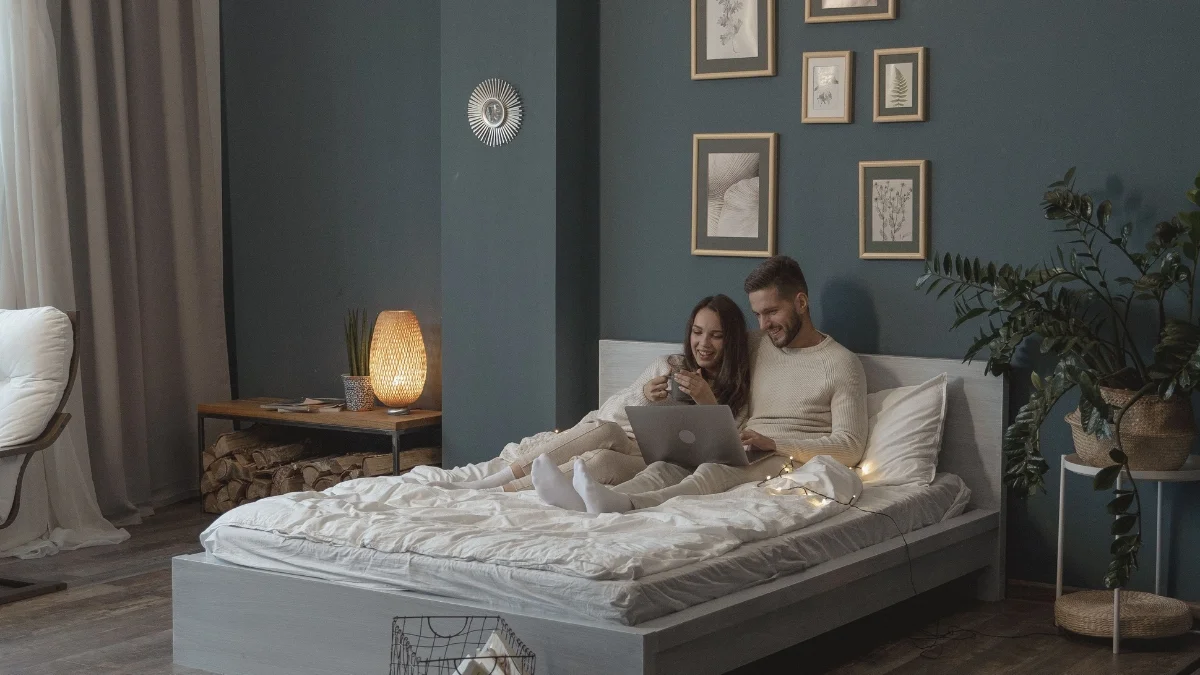
A small room isn’t a design problem, it’s a lighting problem in disguise. Nine times out of ten, a cramped-feeling space isn’t actually short on square footage. It’s short on the right light.
The good news is you don’t need to knock down a wall, add a window, or install a skylight to fix it. A handful of smart, affordable small room lighting hacks can visually stretch your walls, banish shadowy corners, and make even the tiniest room feel open, warm, and inviting.
Whether you’re dealing with a boxy bedroom, a windowless corner, or a living room that never quite feels bright enough, these tricks work with the space you already have no renovation required, no big budget needed, just a little intention with the light you’ve already got.
Table of Contents
Why One Overhead Light Is Ruining Your Small Room Lighting
Most small rooms rely on a single ceiling fixture, and that’s usually the root of the problem. One light source creates one direction of shadow, which flattens the room and makes it feel boxed in.
According to design guidance from Houzz’s guide to lighting in layers, layering fixtures at different heights and directions is one of the most effective ways to make a compact room feel larger and more balanced. This layered approach fills a room more evenly, eliminates dark corners, and makes the entire space feel considered rather than accidental.
If you take away just one lesson from this article, let it be this: more sources of light, not necessarily more brightness, is what makes a small space feel bigger.
1. Layer Your Light Sources
Think of lighting in four layers: ceiling, wall, table, and floor. You don’t need all four in every room, but combining at least two or three instantly adds depth.
A simple starting combo for a small bedroom or living room:
- A flush-mount or semi-flush ceiling light for general illumination
- One table lamp with a warm-toned shade
- A wall sconce or floor lamp tucked into an unused corner
This mix avoids the flat, single-shadow look that makes small rooms feel closed in.
2. Use Wall Sconces to Save Floor Space
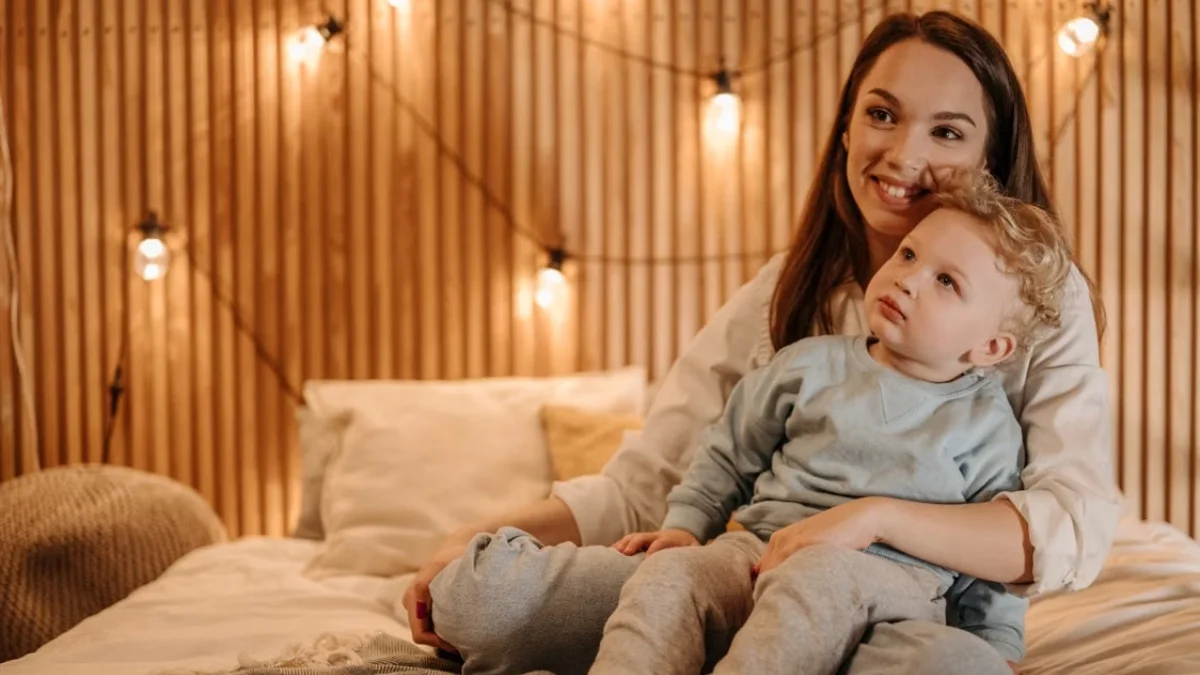
Floor space is precious in a small room, and wall sconces let you add light without eating into it. Mounted at or slightly above eye level, sconces wash the wall with a soft glow and make the room feel wider without a single lamp taking up surface area.
They’re especially useful in small bedrooms, hallways, and reading nooks, where a bedside table might not have room for a lamp at all.
3. Bounce Light With Mirrors
Mirrors don’t create light, but they redistribute it, and in a small room, that illusion of extra brightness matters. Placing a mirror across from or perpendicular to a window bounces natural light deeper into the room and doubles its visual presence.
For the best effect:
- Go for the largest mirror your wall can reasonably hold
- Position it opposite a window, not facing direct sun (to avoid glare)
- Choose a simple or frameless design so it doesn’t compete with the light it’s reflecting
If mirrors are your thing, our entryway decor guide has more tips on using them strategically near doorways and hallways.
4. Choose Long, Vertical Fixtures
In a small room with decent ceiling height, a long pendant light draws the eye upward, emphasizing vertical space instead of the limited floor area. This trick works especially well over a small dining nook, reading corner, or entryway table.
No pendant option? A tall, slim floor lamp does the same job from the ground up, stretching the eye toward the ceiling without cluttering the room.
5. Get the Color Temperature Right
Not all “warm” bulbs are equal, and getting this wrong can make a small room feel either sterile or dim and gloomy.
- 2700K–3000K: warm white, ideal for bedrooms and living rooms where you want a cozy, relaxed feel
- 3500K–4100K: neutral white, better suited for kitchens or workspaces
- 4000K+: cool white, generally too clinical for small, intimate spaces
The Architectural Digest design team has similarly noted that warmer bulb temperatures tend to read as more welcoming in intimate living spaces. For a deeper dive into getting the mood right in a bedroom specifically, check out our guide on warm lighting ideas for bedrooms.
6. Add Dimmers for Flexibility
A dimmer switch is one of the cheapest upgrades you can make, and it changes how a small room functions throughout the day. Bright and functional in the morning, soft and relaxed by evening the same fixture can do both jobs with one small adjustment.
This is especially useful in multi-purpose small rooms, like a bedroom that doubles as a home office.
7. Use LED Strip Lighting in Overlooked Spots
Under shelves, behind a headboard, along the base of a wardrobe LED strip lights tuck into places a lamp never could. They add a soft glow that fills in shadows without taking up any physical space, which is exactly what a small room needs.
They’re also inexpensive and simple to install without any rewiring, making this one of the easiest hacks on this list to actually pull off this weekend.
8. Maximize Whatever Natural Light You Have
Before adding a single new fixture, make sure you’re not blocking the light you already have. Heavy curtains, bulky furniture near windows, and dark window frames all cut down on natural light entering a small room.
Swapping heavy drapes for sheer or lightweight fabric lets in more daylight while still offering privacy, a small change that makes a noticeable difference in how open the room feels.
9. Pick Reflective and Light-Colored Surfaces
Glass, metal, and light-colored furniture all help bounce light around a room instead of absorbing it. A glass-top side table, a metallic lamp base, or even a light-colored rug can make a real difference in how much light stays visible in the space rather than getting soaked up by dark, heavy pieces.
If you’re working on a small living room specifically, our post on sofa styling tips for small living rooms covers furniture choices that pair well with this approach.
10. Don’t Skip Task Lighting
General ambient light is important, but small rooms also need focused task lighting for reading, working, or getting ready. A desk lamp, an adjustable reading light, or a lit vanity mirror keeps you from relying on one overworked ceiling fixture to do every job in the room.
Layering in task lighting also adds one more source to the mix, which circles back to hack #1: more sources, more depth, less flatness.
Quick Recap: Small Room Lighting Cheat Sheet
| Hack | Best For |
| Layered lighting | Any small room |
| Wall sconces | Bedrooms, hallways, tight spaces |
| Mirrors opposite windows | Rooms with natural light |
| Vertical/pendant fixtures | Rooms with higher ceilings |
| Warm bulbs (2700K–3000K) | Bedrooms, living rooms |
| Dimmers | Multi-purpose rooms |
| LED strip lighting | Shelves, headboards, wardrobes |
| Sheer curtains | Rooms with limited daylight |
| Reflective surfaces | Any small room |
| Task lighting | Reading nooks, desks, vanities |
FAQs: Small Room Lighting Hacks
Q1. What is the biggest lighting mistake in small rooms?
Relying on a single overhead light. It creates one-directional shadows and makes the room feel flat and closed in. This is exactly the kind of problem small room lighting hacks like layering two or three light sources solve instantly.
Q2. Does warm or cool lighting make a small room look bigger?
Warm lighting (2700K–3000K) tends to feel more inviting in bedrooms and living rooms, while cooler light suits task-heavy spaces. Neither directly makes a room “bigger,” but warm light makes small spaces feel more comfortable rather than cramped.
Q3. Can mirrors really make a small room feel brighter?
Yes. A mirror placed opposite or perpendicular to a window reflects natural light deeper into the room, creating the illusion of more space and brightness without adding any new fixtures.
Q4. Are floor lamps or table lamps better for small rooms?
It depends on your floor space. Floor lamps work well in empty corners, while table lamps are better if you have limited floor area but some surface space, like a console table or nightstand.
Q5. Is LED strip lighting worth it for a small bedroom?
Absolutely. It’s affordable, easy to install without rewiring, and fills in shadowy spots under shelves, behind headboards that traditional fixtures can’t reach.
Q6. How many light sources does a small room actually need?
There’s no fixed number, but two to three sources (for example, a ceiling fixture, a table lamp, and a wall sconce) is a good baseline for most small bedrooms or living rooms.
Q7. Do dimmers actually help in small spaces?
Yes. Dimmers let one fixture serve two purposes: bright and functional during the day, soft and relaxed in the evening, which is especially useful in small multi-purpose rooms.
Q8. What curtains are best for keeping a small room bright?
Sheer or lightweight curtains let in more natural light than heavy drapes, while still offering privacy. This is one of the simplest, no-cost changes you can make.
Final Thoughts
A small room doesn’t need more space, it needs smarter light. That’s the whole idea behind every one of these small room lighting hacks. You’re not squeezing in extra furniture or knocking down walls; you’re just using what you already have a little more thoughtfully.
If it feels like too much to tackle at once, start small. Try just one hack: hang a mirror across from your window, or swap that harsh white bulb for a warm 2700K one. These changes are cheap, quick to try, and you’ll notice the difference almost immediately.
Once you see that shift, adding the rest becomes easy. A wall sconce here, a dimmer there, maybe some LED strip lighting behind a shelf that’s always felt a bit dark. None of it requires a big budget or a weekend of renovation, just a bit of intention.


- Be Respectful
- Stay Relevant
- Stay Positive
- True Feedback
- Encourage Discussion
- Avoid Spamming
- No Fake News
- Don't Copy-Paste
- No Personal Attacks
- Be Respectful
- Stay Relevant
- Stay Positive
- True Feedback
- Encourage Discussion
- Avoid Spamming
- No Fake News
- Don't Copy-Paste
- No Personal Attacks
