15 Indoor Plants That Repel Insects Naturally for a Healthier, Pest-Free Home
Published: 19 Jan 2026
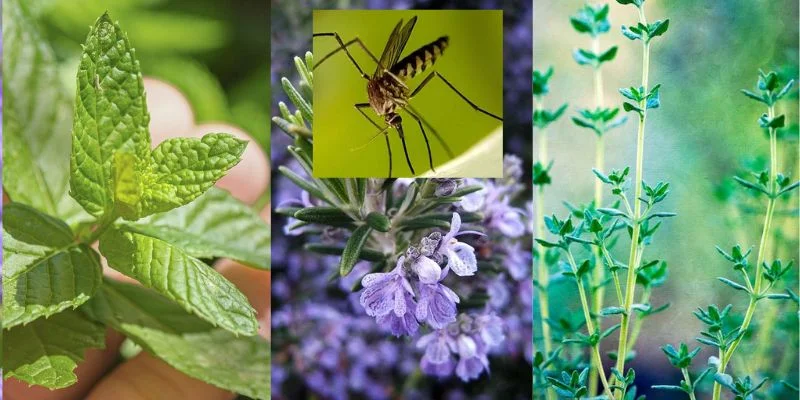
Keeping insects out of your home is a common challenge, especially in warm and humid climates. While chemical sprays and electric repellents may work temporarily, they often come with side effects such as strong odors, health risks, and environmental damage. This is where Indoor Plants That Repel Insects Naturally become an excellent alternative. These plants not only enhance the beauty of your home but also release natural compounds that insects dislike, helping you maintain a healthier living space.
Using Indoor Plants That Repel Insects Naturally is a smart, sustainable solution for modern homes. Many of these plants contain essential oils or strong scents that naturally repel mosquitoes, flies, ants, and even cockroaches. They fit perfectly into home improvement and interior décor trends, offering both functionality and aesthetics. Whether placed in bedrooms, kitchens, or living rooms, these plants work silently and continuously without harming humans or pets. In this guide, you’ll discover the most effective indoor plants, how they work, and how to use them correctly for maximum insect-repelling benefits.
Table of Contents
How Indoor Plants Repel Insects Naturally
Indoor plants repel insects by releasing aromatic oils and natural chemicals that disrupt insect senses. These scents may be pleasant to humans but overwhelming or irritating to pests. Unlike artificial repellents, Indoor Plants That Repel Insects Naturally provide continuous protection without releasing toxins into your indoor air.
Some plants repel insects through:
- Strong fragrance
- Natural oils (citronella, menthol, eugenol)
- Insect-deterring compounds in leaves
When strategically placed, these plants can significantly reduce insect activity indoors.
1. Lavender
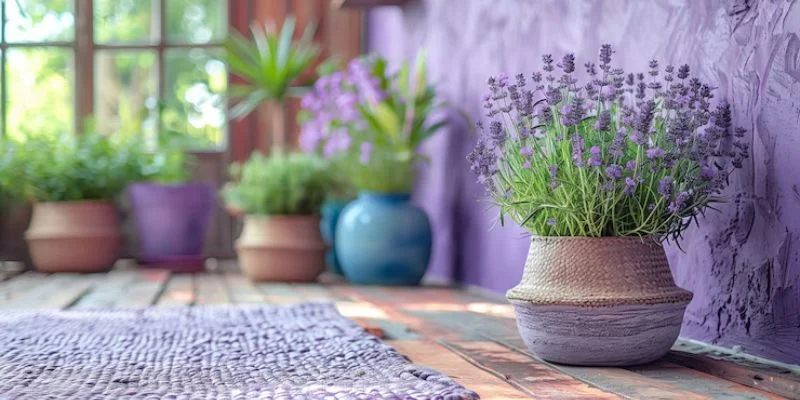
Lavender is one of the most popular Indoor Plants That Repel Insects Naturally. Its soothing fragrance repels mosquitoes, moths, and flies.
Best placement: Bedroom windows, living rooms
Care tip: Bright light, well-drained soil
2. Basil
Basil emits a strong aroma that insects dislike, especially mosquitoes and flies. It also doubles as a kitchen herb.
Best placement: Kitchen windowsill
Care tip: Regular watering and sunlight
3. Mint
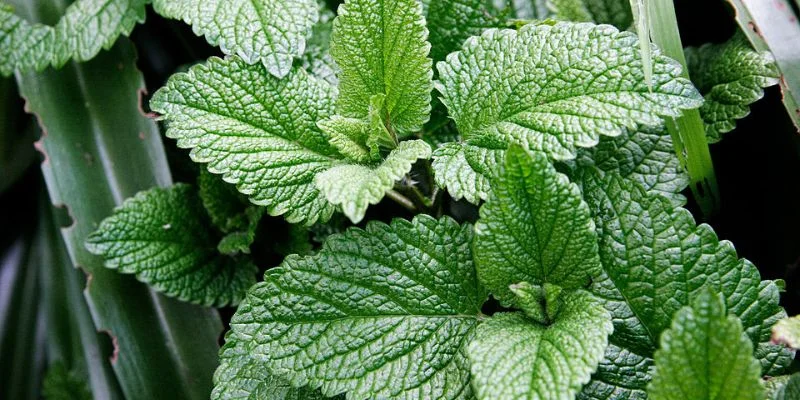
Mint is highly effective at repelling ants, flies, and mosquitoes, making it a powerful indoor plant.
Best placement: Entryways, kitchens
Care tip: Keep soil moist, indirect sunlight
4. Citronella Plant
Known as the “mosquito plant,” citronella is a must-have when discussing Indoor Plants That Repel Insects Naturally.
Best placement: Near windows and doors
Care tip: Bright light, moderate watering
5. Rosemary
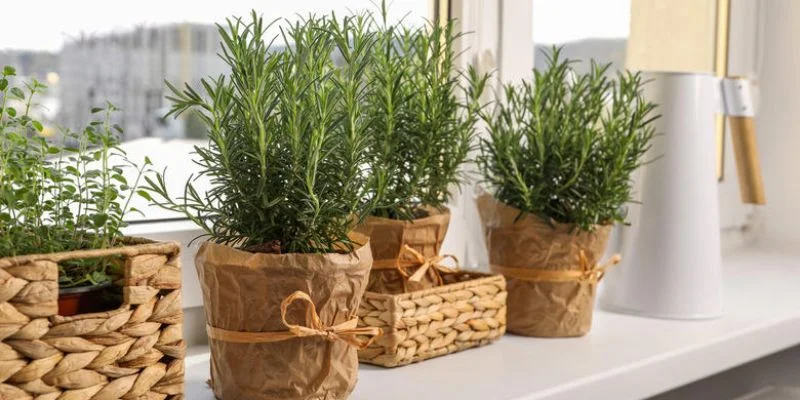
Rosemary repels mosquitoes and flies while adding a pleasant woody scent to your home.
Best placement: Kitchen or balcony
Care tip: Bright light, well-drained soil
6. Lemongrass
Lemongrass contains citronella oil, which makes it extremely effective against mosquitoes.
Best placement: Sunny indoor spots
Care tip: Regular sunlight and watering
7. Marigold (Indoor Variety)
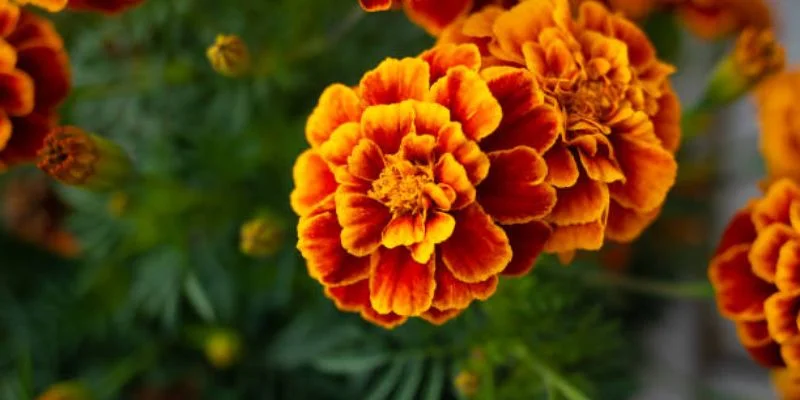
Marigolds release compounds that deter flies and mosquitoes.
Best placement: Near windows
Care tip: Bright light and consistent watering
8. Bay Laurel
Bay leaves repel flies, cockroaches, and pantry pests.
Best placement: Kitchen shelves or corners
Care tip: Moderate sunlight
9. Catnip
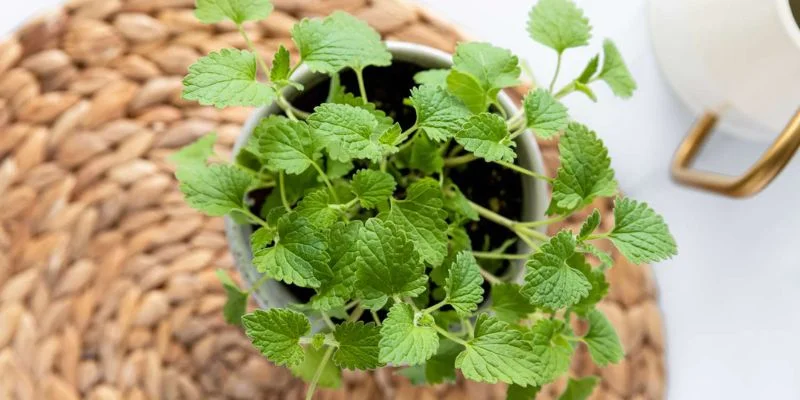
Catnip can be more effective than chemical repellents for mosquitoes.
Best placement: Living room corners
Care tip: Indirect sunlight, moist soil
10. Eucalyptus
Eucalyptus oil is a natural insect deterrent widely used in repellents.
Best placement: Bright indoor spaces
Care tip: Good airflow and light
11. Sage
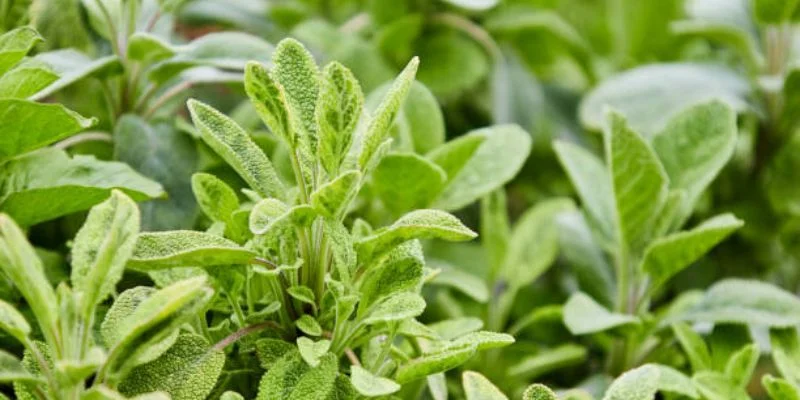
Sage repels flies and mosquitoes while adding a rustic indoor charm.
12. Geranium
Geraniums contain citronella-like oils that repel mosquitoes.
13. Garlic Plant
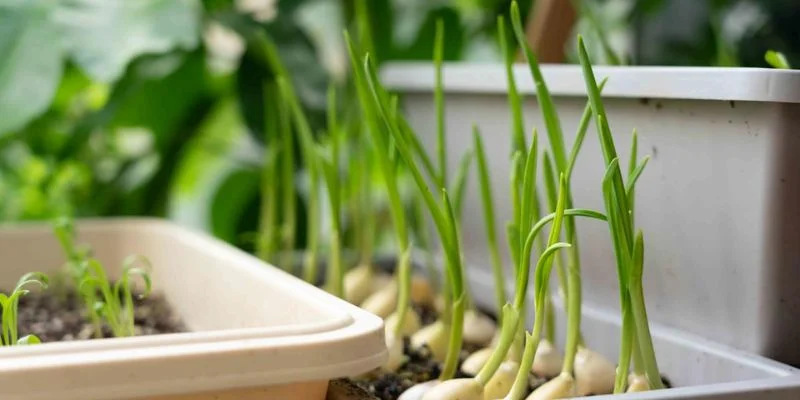
Garlic naturally repels insects through sulfur compounds.
14. Thyme
Thyme is another aromatic herb that helps repel flies and mosquitoes indoors.
15. Neem Plant (Indoor Bonsai)
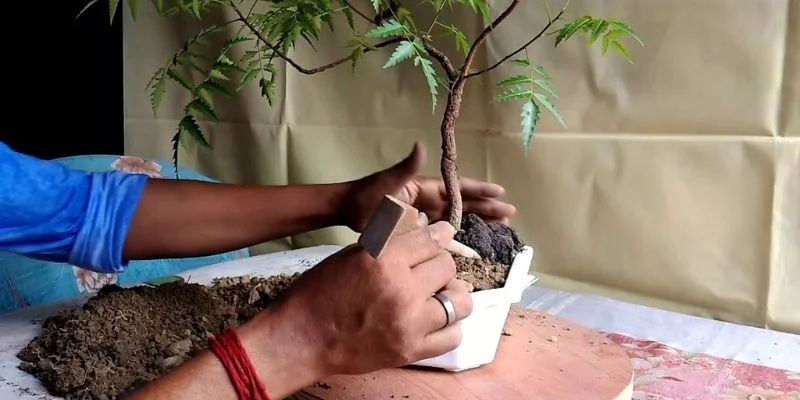
Neem is famous for its insect-repelling properties and medicinal value.
Best Placement Tips for Maximum Effect
To maximize the benefits of Indoor Plants That Naturally Repel Insects, strategically set them:
- Near windows and doors
- In kitchens and bathrooms
- On bedroom windowsills
- In areas where insects commonly enter
Grouping multiple plants together increases effectiveness.
Care Tips for Indoor Insect-Repelling Plants
- Avoid overwatering
- Ensure proper light
- Prune regularly to release aroma
- Clean leaves to maintain oil production
Healthy plants repel insects more effectively.
Why Choose Indoor Plants Over Chemical Repellents?
- Non-toxic and safe
- Improve indoor air quality
- Eco-friendly
- Cost-effective long term
- Enhance home décor
Using Indoor Plants That Repel Insects Naturally aligns perfectly with sustainable home improvement practices.
Conclusion
Using Indoor Plants That Repel Insects Naturally is a simple yet highly effective way to protect your home from unwanted pests while enhancing its overall beauty and air quality. These plants offer a natural, chemical-free solution that aligns perfectly with modern home improvement and eco-friendly living trends. Instead of relying on artificial sprays or electric repellents, you can create a healthier indoor environment by choosing plants that work continuously and safely.
By placing the right plants in key areas such as windows, doors, kitchens, and bedrooms, you can significantly reduce mosquitoes, flies, ants, and other insects. With proper care, these plants remain effective throughout the year and also add warmth, freshness, and style to your living space. Whether you live in an apartment or a house, incorporating Indoor Plants That Repel Insects Naturally is a smart, sustainable investment for a cleaner, greener, and more comfortable home.
FAQs
1. Do Indoor Plants That Repel Insects Naturally Really Work?
Yes, Indoor Plants That Repel Insects Naturally release natural scents and essential oils that insects dislike, helping reduce mosquitoes, flies, and ants indoors.
2. Which Indoor Plants That Repel Insects Naturally are best for mosquitoes?
Citronella, lavender, and catnip are among the most effective Indoor Plants That Repel Insects Naturally for keeping mosquitoes away.
3. Are Indoor Plants That Repel Insects Naturally Safe for children and pets?
Most Indoor Plants That Repel Insects Naturally are safe, but it’s always important to check individual plant toxicity if you have pets or small children.
4. How many Indoor Plants That Repel Insects Naturally do I need per room?
Generally, placing 2-3 Indoor Plants That Repel Insects Naturally in one room provides noticeable insect-repelling benefits.
5. Do Indoor Plants That Repel Insects Naturally Work Throughout the Year?
Yes, Indoor Plants That Repel Insects Naturally can work year-round as long as they are healthy and properly maintained.
6. Can Indoor Plants That Repel Insects Naturally be used in bedrooms?
Absolutely. Indoor Plants That Repel Insects Naturally like lavender are ideal for bedrooms and can also promote relaxation and better sleep.
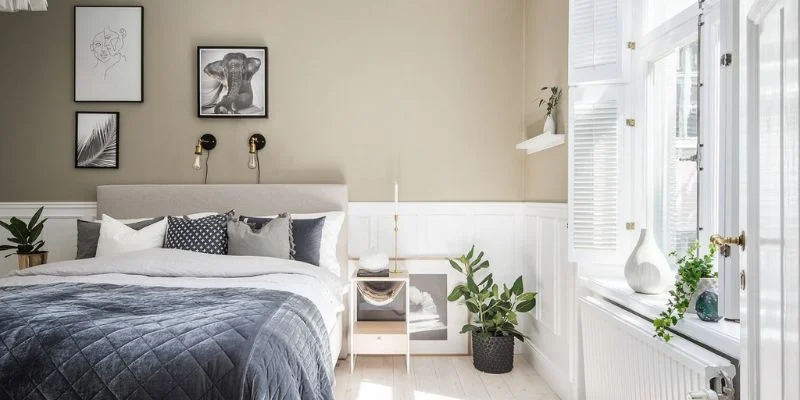
10 Air Cleaning Plants for the Bedroom That Will Purify Your Air & Improve Your Health

- Be Respectful
- Stay Relevant
- Stay Positive
- True Feedback
- Encourage Discussion
- Avoid Spamming
- No Fake News
- Don't Copy-Paste
- No Personal Attacks
- Be Respectful
- Stay Relevant
- Stay Positive
- True Feedback
- Encourage Discussion
- Avoid Spamming
- No Fake News
- Don't Copy-Paste
- No Personal Attacks
