
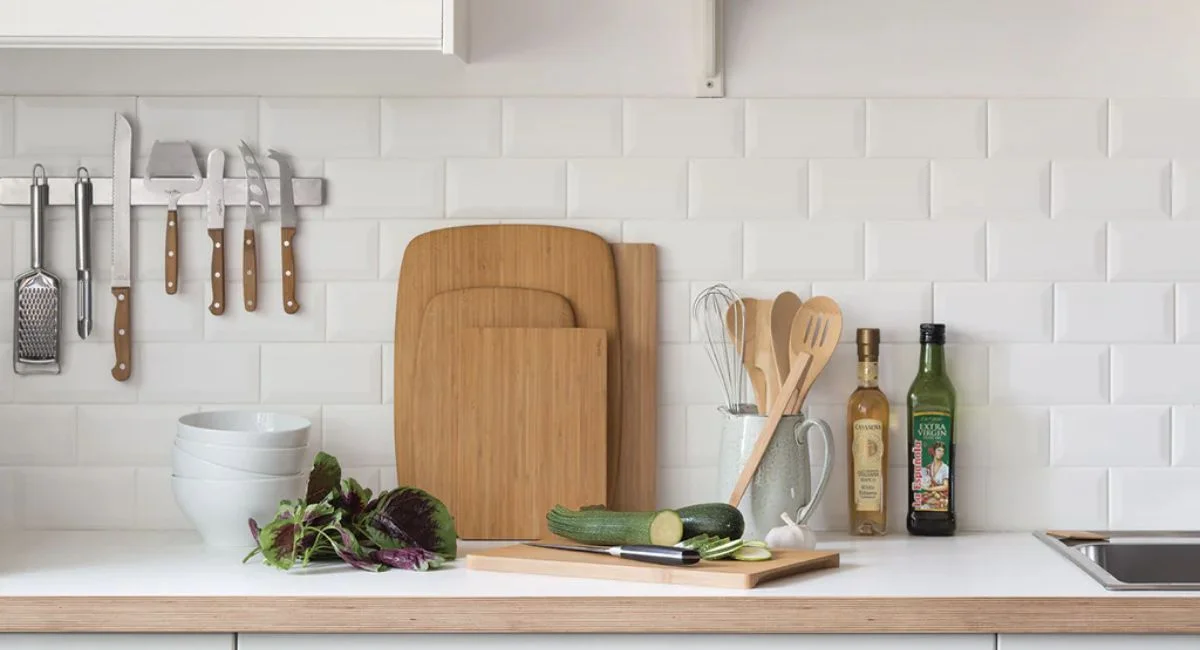
Keeping your kitchen clean and clutter-free often comes down to one simple question: where can you store clean cutting boards so they remain sanitary, accessible, and neatly organized? Many homeowners struggle with this because cutting boards come in different shapes, sizes, and materials. Without a proper storage system, they end up leaning against walls, sliding inside cabinets, or creating a messy look on countertops. That’s why understanding where you can store clean cutting boards effectively is essential for both hygiene and functionality.
If your kitchen feels disorganized or your boards constantly fall over when you open a cabinet, you’re not alone. The good news is that there are plenty of creative, practical, and space-saving ideas that help you store cutting boards safely while also enhancing your kitchen’s overall layout. Whether you have a small kitchen, a large pantry, or limited drawers, these solutions will help you maintain cleanliness, reduce clutter, and extend the life of your cutting boards.
Table of Contents
Why Storing Cutting Boards Properly Matters
Clean cutting boards need proper airflow, safe positioning, and easy accessibility. Storing them incorrectly can cause:
- Moisture buildup
- Bacterial growth
- Warping (especially wooden boards)
- Damaged edges or scratches
- A cluttered countertop appearance
Having a dedicated storage method also ensures that different boards, wooden, plastic, bamboo, glass stay separated based on their purpose.
1. Vertical Cabinet Dividers
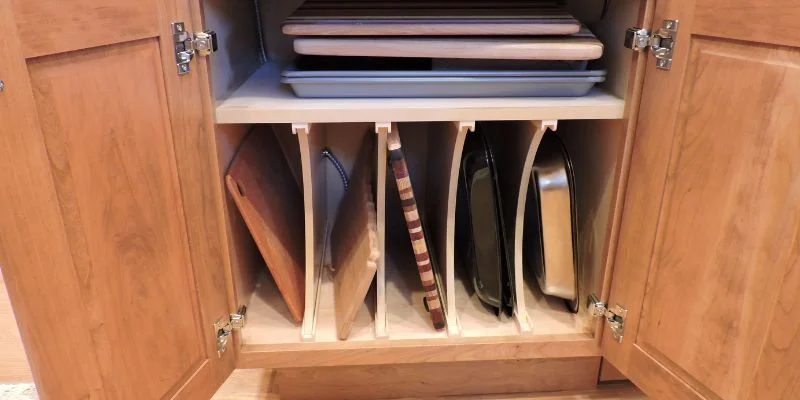
One of the most efficient ways to store clean cutting boards is by using vertical dividers inside a lower kitchen cabinet. These dividers keep boards separated and upright, preventing moisture from collecting between them. This method is especially ideal for wooden boards that require airflow.
Why it works:
- Keeps the boards easy to grab
- Prevents warping
- Saves counter space
2. Pull-Out Tray Organizer
A pull-out tray organizer is perfect for homeowners who want a cleaner, more polished storage solution. These organizers slide out fully, making it easy to store cutting boards right next to baking sheets, pans, or trays.
Best for: Large kitchens, deep cabinets, or dedicated baking storage zones.
3. Slim Cabinet Next to the Oven
Many modern kitchens include a narrow cabinet placed beside the oven. This slim space is ideal for vertical storage of clean cutting boards. Simply add tension rods or use built-in slots to keep each board separated.
Advantages:
- Utilizes an otherwise wasted space
- Keeps boards near the prep area
- Great for multiple board sizes
4. Countertop Cutting Board Stand
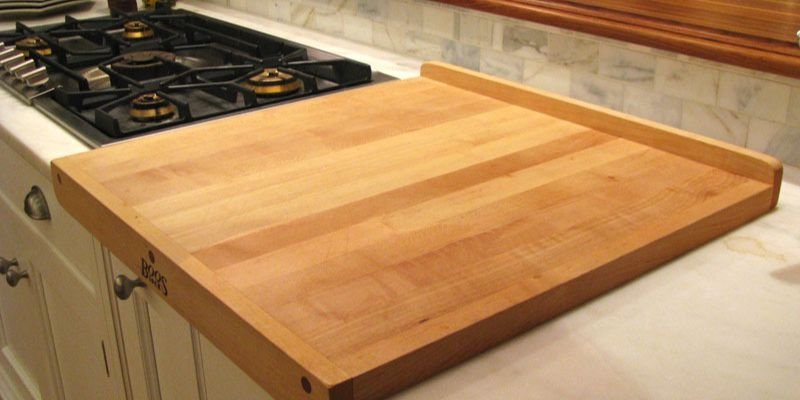
If you use cutting boards daily, a countertop stand may be the most convenient choice. High-quality stands allow airflow and keep boards individually separated. Choose one made of stainless steel or bamboo for aesthetics and durability.
Tip: Keep it near your sink so you can place boards in the stand immediately after washing.
5. Wall-Mounted Rack
A wall-mounted rack adds vertical storage without sacrificing cabinet space. You can install it on a backsplash, inside a pantry, or beside the refrigerator. This is especially useful in small kitchens.
Benefits:
- Space-saving
- Easy access
- Stylish and customizable
6. Inside-Cabinet Door Organizer
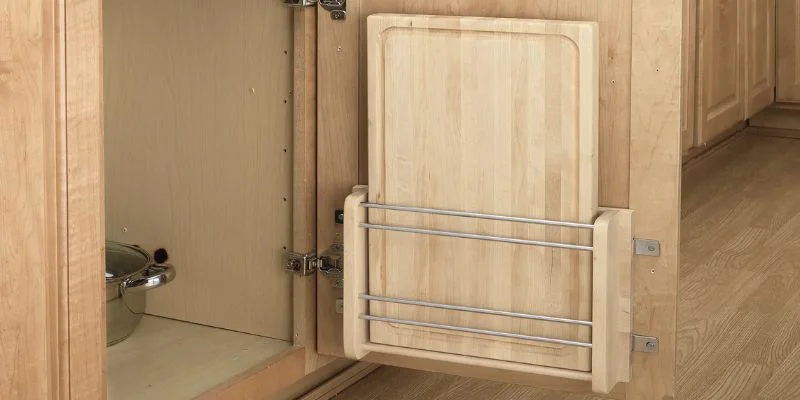
Adding an inside-door organizer lets you store cutting boards on the interior side of your cabinet door. This keeps the boards hidden yet accessible. Choose a metal, plastic, or wooden organizer made specifically for flat kitchen tools.
Why it’s smart:
- Uses unused space
- Fits both small and medium boards
- Keeps counters clean
7. Over-the-Sink Drying Rack Storage
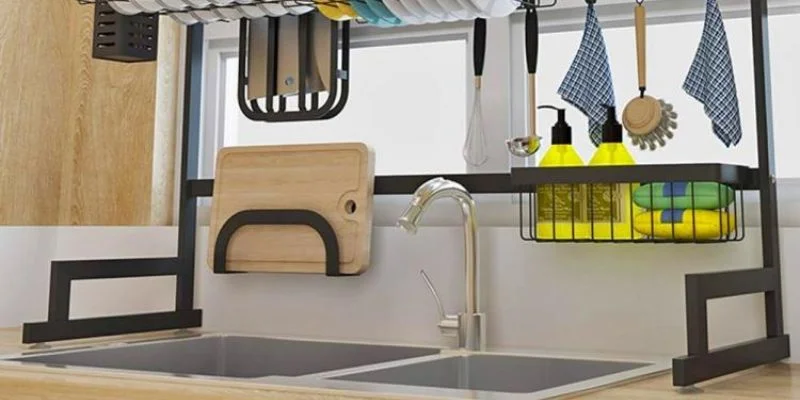
If you often leave boards to dry, consider using an over-the-sink rack for storage. The airflow is excellent, and the boards stay elevated, ensuring thorough drying before storage.
Great for: Wooden boards, frequent cooks, and compact kitchens.
8. Pantry Storage Shelf
If you have a walk-in or tall pantry, dedicate a shelf or vertical slot to cutting boards. You can add clear dividers to keep them upright. This is ideal for people who own many specialty boards like charcuterie or carving boards.
Bonus: Keeping boards in the pantry reduces kitchen clutter.
9. Knife Block with Cutting Board Slot
Some knife blocks include a built-in cutting board compartment. This is a convenient way to keep knives and boards together, perfect for everyday cooking.
Best for: Minimalist kitchen layouts.
10. Drawer with Peg System
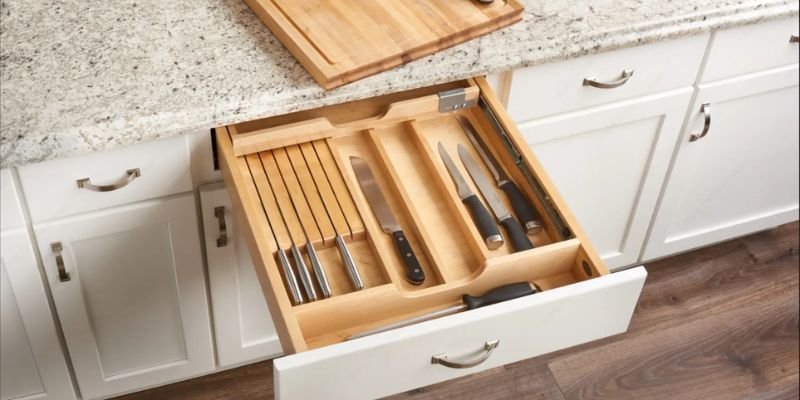
A deep drawer with adjustable pegs lets you customize storage for your cutting boards. Simply rearrange the pegs to create snug slots that prevent boards from sliding around when you open the drawer.
Advantages:
- Fully customizable
- Makes use of deep drawers
- Keeps the boards dust-free
11. Hanging Storage Inside the Pantry Door
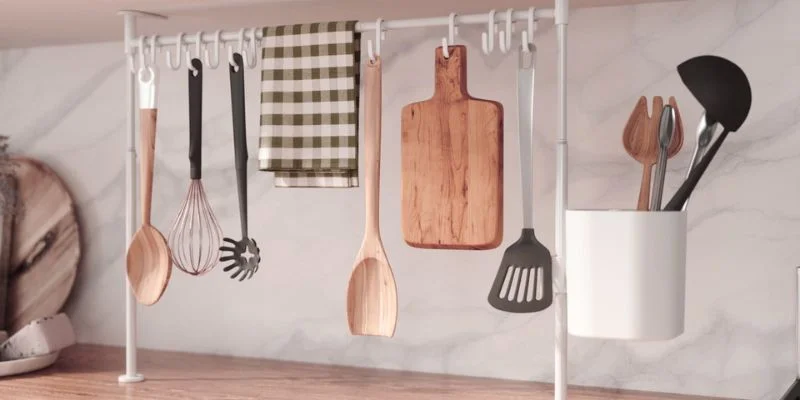
For larger households or small spaces, adding hooks or racks to the inside of a pantry door is an efficient solution. This provides a vertical storage area with plenty of airflow.
Why homeowners love it:
- Great for oversized boards
- Easy installation
- Promotes ventilation
12. Magnetic Wall Strip (For Thin Boards)
If you use lightweight or slim cutting boards, a magnetic strip can be a clever way to store them. These strips attach directly to the wall and hold boards securely in place, similar to a magnetic knife strip.
Best for: Plastic boards, kids’ boards, and lightweight prep boards.
Final Tips for Storing Cutting Boards Safely
- Ensure every board is completely dry before storing.
- Store wood and plastic boards separately to prevent cross-contamination.
- Keep boards upright to improve airflow.
- Avoid stacking boards horizontally if moisture is present.
- Regularly disinfect plastic and bamboo boards.
Choosing where to store clean cutting boards ultimately depends on your kitchen size, workflow, and personal cooking habits. From vertical dividers to wall-mounted racks, each method elevates your kitchen organization and enhances food safety.
FAQs
1. What is the most hygienic way to store clean cutting boards?
Vertically, with proper airflow, this prevents moisture buildup and bacterial growth.
2. Can I store wooden cutting boards inside a closed cabinet?
Yes, as long as they are completely dry and stored upright to allow ventilation.
3. Is it safe to store plastic and wooden boards together?
It’s better to store them separately because they have different moisture and cleaning requirements.
4. How many cutting boards should a kitchen ideally have?
Most kitchens need at least three: one for meat, one for produce, and one multipurpose board.
5. Should cutting boards be stored near the sink?
It’s convenient, but it ensures the area stays dry so moisture doesn’t damage wooden boards.