25 Genius Ideas for Storing Toys in the Living Room Spaces That Actually Work
Published: 11 Nov 2025
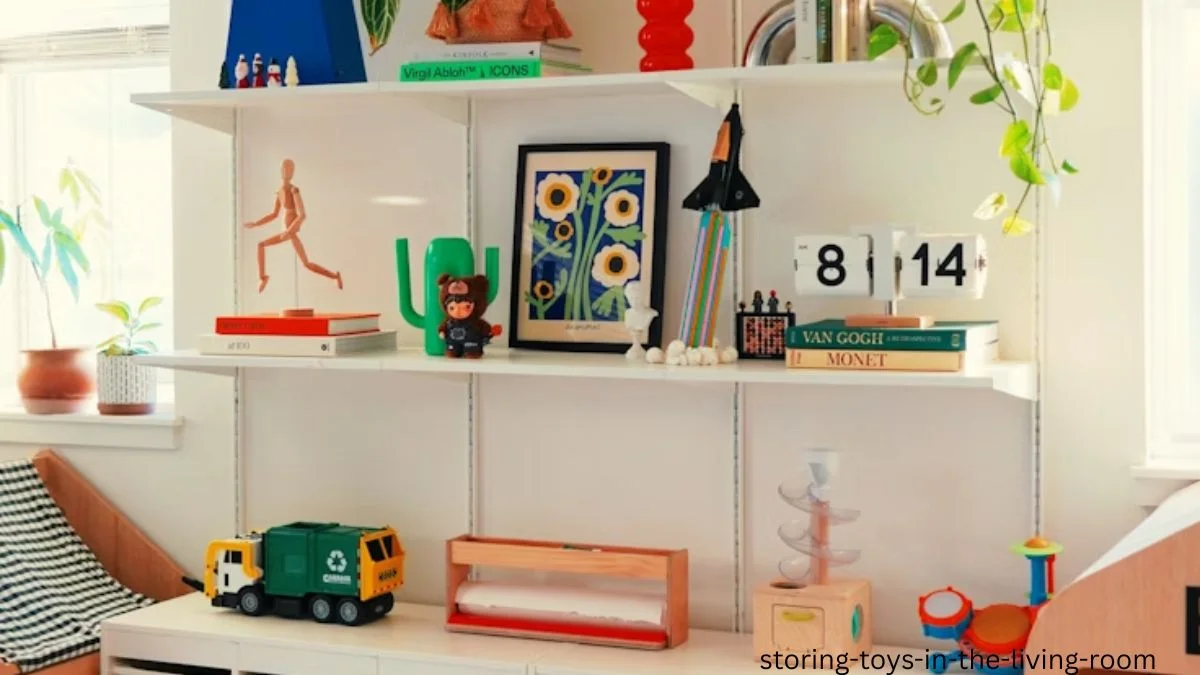
Keeping a living room tidy with children in the house can feel impossible. Toys spread across the floor, stuffed animals pile up on sofas, and tiny pieces somehow end up everywhere. Many parents struggle to create a home that feels stylish and family-friendly at the same time.
The good news is that smart organization can completely change the way your living room functions. With the right storage ideas, you can keep toys accessible for children while still maintaining a clean and welcoming space for the whole family. The best ideas for storing toys in the living room spaces combine practicality, comfort, and design so your home works for everyday life without looking cluttered.
Whether you live in a small apartment or a large family home, these simple storage solutions can help you create a calmer and more organized living room.
Table of Contents
Why Storing Toys in the Living Room is Important
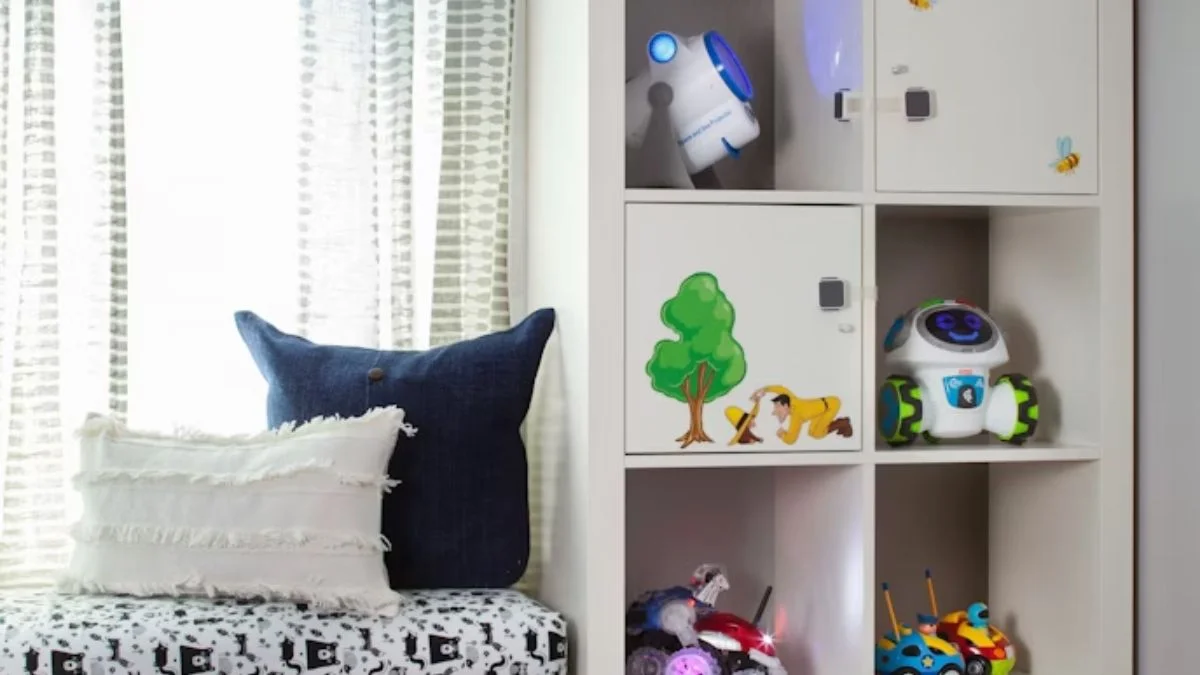
The living room is usually the center of family life. Children play there while parents relax, watch television, or spend time together. Without a proper system, toys quickly take over the room and create daily stress.
Good toy organization helps:
- Reduce clutter and make cleanup faster
- Create safer walking spaces for children and adults
- Teach kids responsibility and independence
- Keep the living room looking neat and stylish
- Make toys easier to find and enjoy
A simple storage system can save time every day and make family life feel much more manageable.
1. Use Storage Ottomans
Storage ottomans are one of the best furniture pieces for family homes. They provide hidden storage while also working as seating, footrests, or coffee tables.
Choose a durable fabric that is easy to clean and pick neutral colors that blend with your décor. Toys can be quickly tossed inside when guests arrive, instantly making the room look cleaner.
2. Add Woven Baskets
Woven baskets are both decorative and functional. They help hide toys while adding warmth and texture to the room.
Large baskets work well for stuffed animals and blankets, while smaller baskets are ideal for books, puzzles, or art supplies. Using matching baskets creates a more organized and intentional look.
3. Choose a Coffee Table With Storage
A coffee table with built-in drawers or shelves gives you extra space without adding more furniture.
Lift-top coffee tables are especially useful because children can easily access coloring books, crafts, and games. Hidden compartments also help keep surfaces clean and uncluttered.
4. Install Floating Shelves
Floating shelves are perfect for small living rooms because they use vertical wall space instead of floor space.
Place lower shelves where children can reach their favorite toys and use upper shelves for decorative items. Add small bins or baskets to keep everything organized and visually tidy.
5. Create a Small Toy Corner
Giving toys a dedicated area helps contain the mess. A small corner with a rug and low shelving unit creates a clear play zone for children.
Open shelves encourage independence because kids can easily grab toys and put them back when finished. This works especially well in open-plan living rooms.
6. Use Multi-Functional Furniture
Furniture with hidden compartments is ideal for families. Storage benches, sofas with drawers, and media units with cabinets all provide extra space without making the room feel crowded.
These pieces help keep larger toys, games, and seasonal items out of sight while still being easy to access.
7. Try Rolling Storage Carts
Rolling carts are practical because they can move from room to room. They work especially well for craft supplies, puzzles, and educational toys.
When company arrives, simply roll the cart into a closet or another room for instant cleanup.
8. Add Closed Cabinets
Closed cabinets are one of the easiest ways to make a living room look calmer and less cluttered.
Cabinets hide visual mess while keeping toys organized inside. Use labeled bins within the cabinets to make cleanup simple for both children and adults.
9. Use Storage Benches
A bench with storage underneath adds seating while creating extra toy space.
This idea works well near windows, entryways, or unused corners. Pull-out baskets underneath the bench make toys easy to access and easy to hide.
10. Rotate Toys Regularly
Toy rotation is a simple but powerful organization method. Instead of keeping every toy available all the time, store some away and switch them every few weeks.
Children often play longer and more creatively with fewer toys. Rotation also reduces clutter and makes storage easier to manage.
11. Label Everything
Labels help maintain organization long-term. When baskets, bins, and shelves are clearly labeled, everyone knows where items belong.
For younger children, picture labels work even better than words. This makes cleanup easier and encourages independence.
12. Display Attractive Toys as Décor
Some toys can actually enhance the room when displayed properly. Wooden toys, dollhouses, and beautiful books can look decorative when styled neatly on shelves.
Choose only a few visually appealing items to display and rotate them occasionally to avoid clutter.
13. Use Clear Storage Bins
Transparent bins make it easy for children to find toys without dumping everything out.
They work especially well for LEGO pieces, art supplies, and smaller toys. Stackable clear bins also save space and keep shelves looking organized.
14. Add a Console Table
A console table behind the sofa or against a wall provides hidden storage without taking up much space.
Drawers are useful for small toys, coloring supplies, and board games while the tabletop can hold lamps, books, or decorative pieces.
15. Divide the Room Into Zones
Creating activity zones helps keep toys contained. A reading corner, craft area, or building zone gives children clear spaces for different activities.
This naturally limits how much clutter spreads across the room and makes cleanup easier.
16. Use Ladder Shelves
Ladder shelves provide storage without looking bulky. Their open design keeps the room feeling light and spacious.
Place baskets on lower shelves for toys and reserve higher shelves for plants or decorative items.
17. Add a Sideboard Cabinet
A sideboard cabinet offers a surprising amount of hidden storage. It works well for board games, puzzles, and toy bins while also serving as a stylish furniture piece.
The top surface can be decorated with lamps, artwork, or family photos to keep the room feeling polished.
18. Store Stuffed Animals in Soft Bags
Stuffed animals can quickly take over a room. Storage hammocks, canvas bags, or hanging organizers are great solutions.
They keep plush toys off the floor while still making them easy for children to reach and enjoy.
19. Install a Window Seat With Storage
A window seat with built-in storage is both beautiful and practical.
The hidden compartment underneath can store toys, blankets, or seasonal items while the top creates a cozy reading area for children.
20. Use Wicker Basket Drawers
Furniture with wicker basket drawers combines hidden storage with a warm and natural look.
Children can easily pull baskets out and return toys independently. This style works especially well in cozy or modern family homes.
21. Create a Daily Cleanup Routine
Even the best storage system only works when it is used consistently. A short daily cleanup routine prevents clutter from building up.
Spend ten minutes each evening putting toys back in their designated places. Turning cleanup into a family habit makes a huge difference over time.
22. Keep Toys at Child Height
Children are more likely to clean up when they can easily reach storage areas.
Store favorite toys in low baskets or shelves and keep less-used items higher up. Accessibility encourages independence and reduces frustration.
23. Match Storage to Your Décor
Toy storage should blend naturally with the room instead of standing out.
Choose baskets, bins, and furniture in colors and materials that match your living room design. Neutral tones and natural textures usually work best.
24. Install Built-In Shelving
Built-in shelves create a custom look while maximizing storage space.
Use open shelves for books and decorative toys while keeping clutter hidden behind cabinet doors. Built-ins make the room feel more organized and polished.
25. Declutter Every Month
The easiest way to keep toy storage manageable is to remove items regularly.
Donate broken, unused, or outgrown toys every month to prevent overcrowding. Fewer toys mean less mess and easier organization.
FAQs
Q1. What is the best way to hide toys in the living room?
Storage ottomans, sideboards, and closed cabinets are some of the best options because they keep toys completely out of sight.
Q2. How do I organize toys in a small living room?
Use vertical storage like floating shelves and choose furniture with hidden storage compartments to maximize space.
Q3. Are open shelves good for toy storage?
Yes, open shelves help children access toys independently, especially when combined with baskets or bins.
Q4. How often should toys be decluttered?
A monthly decluttering routine works well for most families and helps prevent storage areas from becoming overcrowded.
Q5. Does toy rotation really help?
Yes, toy rotation reduces clutter and often helps children stay more engaged with the toys they currently have available.
Conclusion
Creating a family-friendly living room does not mean giving up style or comfort. With the right ideas for storing toys in the living room spaces, you can keep your home organized while still making it welcoming for children.
Start with a few simple changes such as adding baskets, using storage furniture, or creating a small toy zone. Over time, these small improvements can completely transform the way your living room feels and functions.
The goal is not perfection. It is creating a space that works for your family while keeping daily life easier and less stressful.
Mini Washing Machine and Dryer: The Intelligent Laundry Solution for Limited Areas in 2026

- Be Respectful
- Stay Relevant
- Stay Positive
- True Feedback
- Encourage Discussion
- Avoid Spamming
- No Fake News
- Don't Copy-Paste
- No Personal Attacks
- Be Respectful
- Stay Relevant
- Stay Positive
- True Feedback
- Encourage Discussion
- Avoid Spamming
- No Fake News
- Don't Copy-Paste
- No Personal Attacks
