
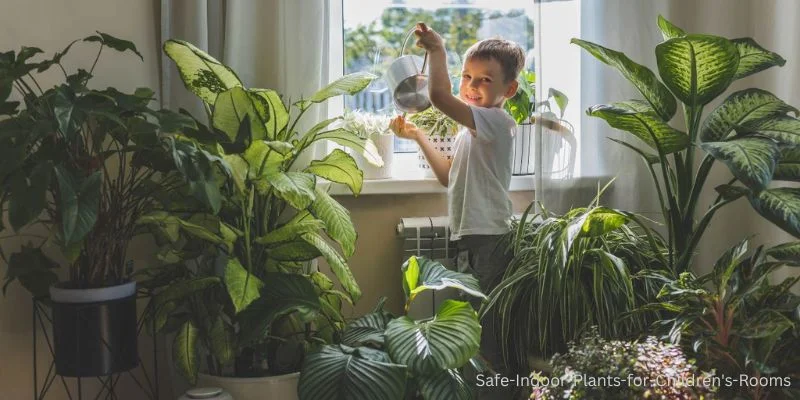
Designing a child’s room is about more than fun colors or playful furniture; it’s about creating a space that supports their health, comfort, and emotional well-being. Adding greenery is one of the easiest ways to achieve this. Safe Indoor Plants for Children’s Rooms not only make the room look fresh but also improve air quality and create a calming atmosphere.
Parents today want rooms that are safe for curious hands. These plants are free from harmful chemicals, soft to touch, and suitable for kids of all ages. Beyond aesthetics, caring for plants teaches children responsibility, patience, and respect for nature, while creating a calm and healthy environment for growth.
Table of Contents
Why Choose Safe Indoor Plants for Children’s Rooms?
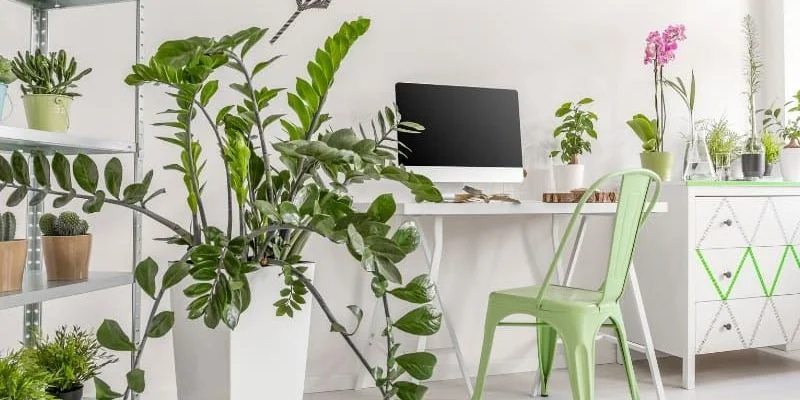
Not every indoor plant is suitable for children. Some can be harmful if touched or ingested. Safe Indoor Plants for Children’s Rooms provide greenery that is completely non-toxic and child-friendly.
Benefits:
- Clean the air naturally by filtering pollutants
- Reduce stress and promote calmness
- Teach children responsibility and nurturing
- Add beauty and color without relying on artificial décor
- Safe for both children and pets
Indoor plants also help reduce the need for chemical air fresheners and synthetic décor, making the room a safer, healthier environment for children.
Key Points When Selecting Plants for Kids
When choosing the best Safe Indoor Plants for Children’s Rooms, consider:
- Non-Toxic: Ensure the plant is safe for children and pets.
- Easy to Care: Choose low-maintenance plants that do not require frequent watering or complicated care.
- Soft Leaves: Avoid plants with thorns or rough edges that may injure little hands.
- Allergy-Friendly: Pick plants that don’t produce strong scents or excess pollen.
These factors make plants enjoyable for children while keeping the room safe. Combining safety with visual appeal encourages kids to care for their plants and develop a love for nature.
9 Best Safe Indoor Plants for Children’s Rooms
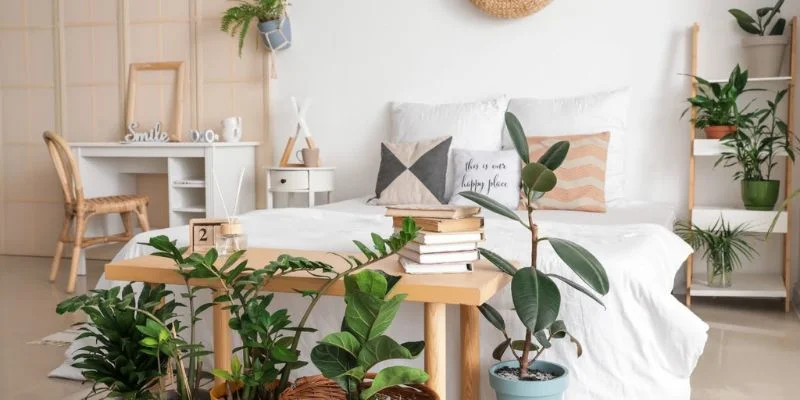
- Spider Plant – Hardy and low-maintenance, it cleans indoor air and has long, arching leaves that kids love.
- Areca Palm – Soft, feathery leaves that maintain room humidity, supporting respiratory health.
- Boston Fern – Lush greenery that thrives in indirect light and purifies air naturally.
- Calathea (Prayer Plant) – Vibrant patterned leaves that move slightly, fascinating children.
- Peperomia – Small, sturdy, and perfect for desks or shelves; minimal watering required.
- Baby Rubber Plant – Thick, slow-growing leaves that are safe for children.
- Parlor Palm – Also known as Chamaedorea elegans, Survives in low light with minimal care, ideal for indoor rooms.
- Friendship Plant – Soft leaves and colorful flowers, safe for kids to touch.
- Polka Dot Plant – Brightly colored, playful leaves that encourage exploration and interaction.
All of these are excellent choices for Safe Indoor Plants for Children’s Rooms, combining safety, aesthetics, and health benefits.
Best Placement Ideas
Correct placement ensures safety and optimal growth:
- Place plants on high shelves or use hanging planters to keep them out of reach of toddlers.
- Use stable pots in corners to prevent tipping accidents.
- Put plants on study desks or near windows for older children who can care for them.
- Ensure plants get the right light; some need indirect light, while others thrive in brighter areas.
Proper placement not only protects the plants but also allows children to engage safely and responsibly.
Teaching Kids Responsibility
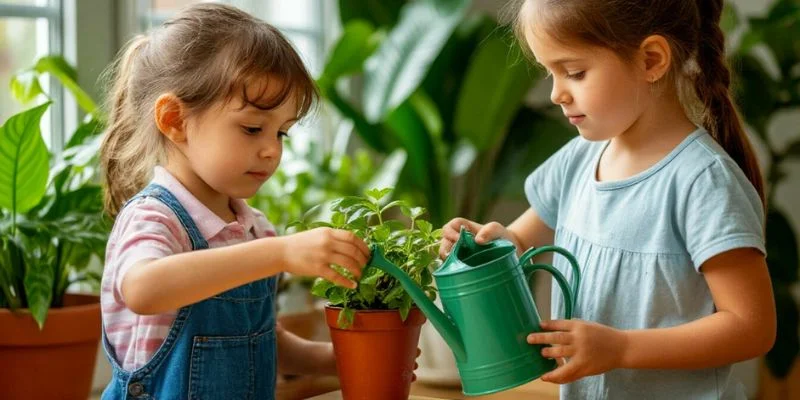
Caring for plants helps children develop essential life skills:
- Encourages daily routines, like watering and checking soil moisture
- Teaches patience and delayed gratification
- Builds respect for nature and living things
- Demonstrates plant growth cycles in an engaging way
Assigning age-appropriate tasks like wiping leaves, watering, or observing growth fosters accomplishment and responsibility, encouraging empathy and mindfulness.
Common Mistakes to Avoid
- Choosing plants without confirming toxicity
- Overwatering or underwatering
- Using chemical fertilizers or sprays
- Placing plants in poor lighting conditions
Avoiding these mistakes ensures plants remain healthy, safe, and visually appealing.
Tips for Safe Maintenance
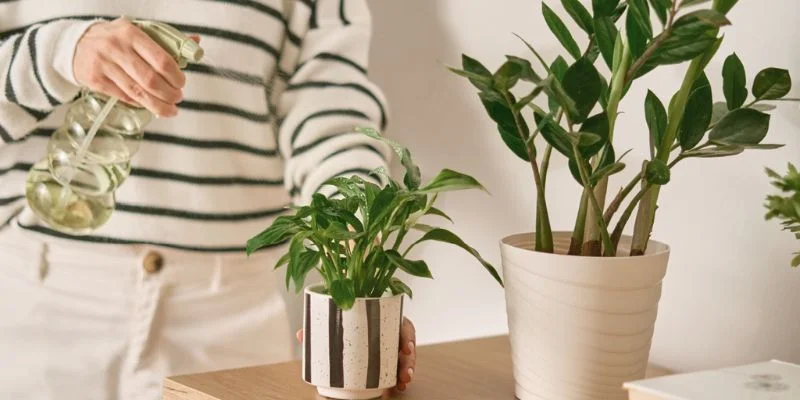
- Use natural, organic soil to prevent harmful chemicals.
- Water moderately according to each plant’s needs.
- Clean leaves regularly to maintain air purification.
- Avoid chemical sprays or synthetic fertilizers.
Following these steps ensures that Safe Indoor Plants for Children’s Rooms thrive and remain safe for children to enjoy.
Health Benefits for Children
Studies show that indoor plants positively affect children’s health:
- Improve sleep quality by creating a calming, oxygen-rich environment
- Reduce indoor air pollutants, preventing allergies and respiratory issues
- Lower anxiety and stress, creating a peaceful environment
- Boost focus and attention, supporting learning and play
These benefits make plants more than decoration, they are natural health boosters in children’s rooms.
FAQs
- Are these plants safe for kids?
Yes, they are non-toxic and child-friendly. - Can children touch them?
Yes, they are gentle for little hands. - Which plant is best for toddlers?
Spider plants and parlor palms are safest. - Do they clean the air?
Yes, many improve indoor air quality naturally. - How many plants are ideal?
Two to three small plants per room is perfect. - Are these safe for pets?
Yes, most are pet-friendly. - Can they improve sleep?
Yes, they create a calming, relaxing environment. - Can plants go near the bed?
Yes, if they are non-toxic and safe. - Are fake plants better?
No, real plants provide true air purification and health benefits. - Can kids help care for them?
Yes, caring for plants teaches responsibility, patience, and observation skills.
Conclusion
Adding Safe Indoor Plants for Children’s Rooms is an easy way to make a child’s room safe, healthy, and joyful. These plants enhance the room’s appearance, clean the air, and create a calming environment. Parents can choose non-toxic, easy-care plants to enjoy peace of mind and long-term benefits.
With proper placement and simple care routines, children can learn responsibility, develop a connection with nature, and experience the joy of nurturing living things. Whether in a nursery, playroom, or study area, Safe Indoor Plants for Children’s Rooms help create a peaceful, healthy, and happy space for children to grow.