7 Easy Ways: How to Clean Glass Stove Top With Baking Soda Safely in 2026
Published: 6 Nov 2025
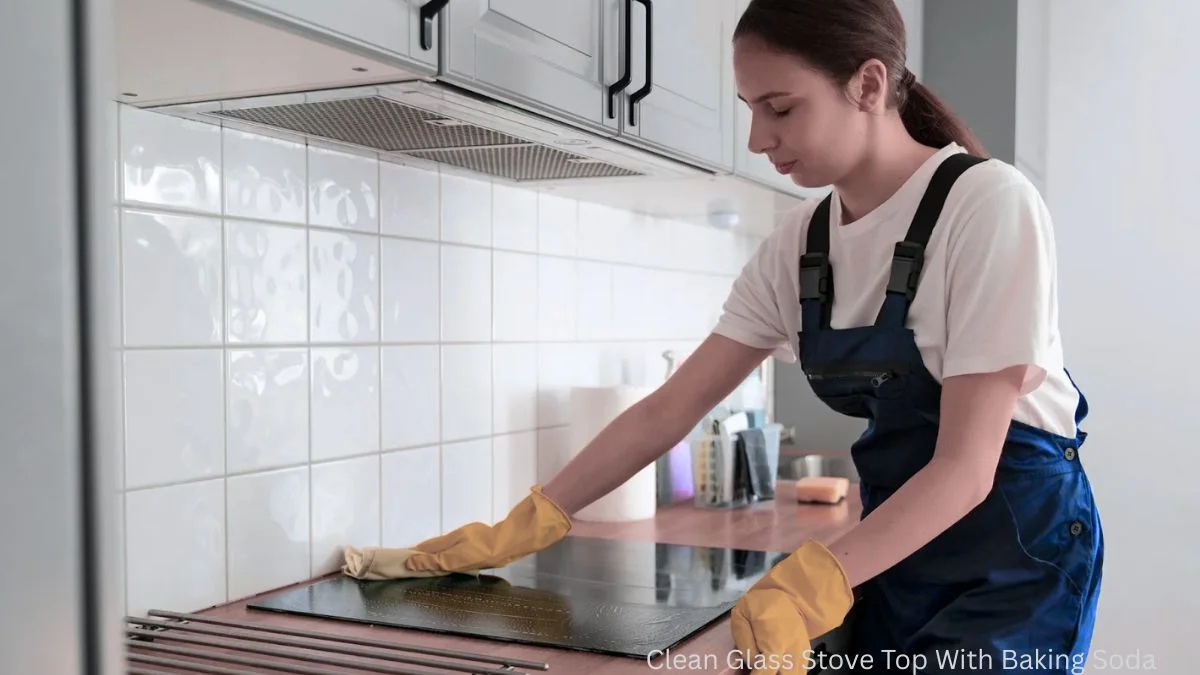
Glass stove tops instantly make a kitchen look modern, stylish, and clean. However, they also show grease, fingerprints, spills, and burnt food much faster than traditional stovetops. If not cleaned properly, stains can become stubborn and difficult to remove. The good news is that you don’t need expensive chemical cleaners to restore shine and cleanliness. Learning how to clean glass stove top with baking soda can save money while keeping your kitchen safe and eco-friendly.
Baking soda has become one of the most trusted household cleaning ingredients because it is affordable, non-toxic, and gentle on delicate surfaces. Unlike harsh cleaners that may damage glass cooktops over time, baking soda safely removes grime without scratching. Whether you are dealing with light grease, cloudy marks, or burnt-on residue, this simple kitchen ingredient works surprisingly well.
In this detailed guide, you’ll learn step-by-step cleaning methods, expert tips, mistakes to avoid, recommended cleaning tools, and maintenance habits to keep your cooktop sparkling year-round.
Table of Contents
Why Use Baking Soda to Clean a Glass Stove Top?
Baking soda, also known as sodium bicarbonate, works as a mild abrasive cleaner. It gently lifts stains and greasy buildup without damaging the glass surface.
Benefits of Using Baking Soda
- Safe for glass and ceramic cooktops
- Non-toxic and family-friendly
- Affordable and widely available
- Removes grease and burnt stains
- Neutralizes kitchen odors naturally
- Eco-friendly alternative to chemical cleaners
- Easy to combine with vinegar or dish soap
Many homeowners prefer natural cleaning methods because they reduce chemical exposure in the kitchen. Professional cleaners and appliance experts often recommend baking soda for maintaining glass surfaces safely.
Understanding Glass Stove Tops Before Cleaning
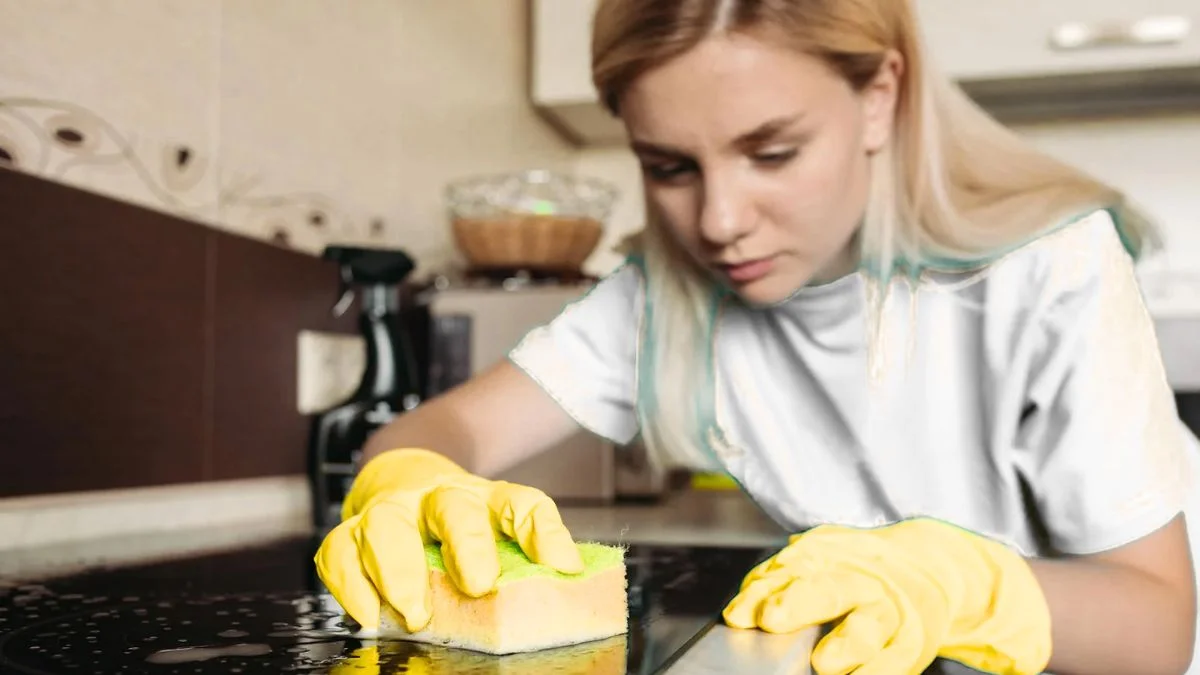
Before learning how to clean glass stove top with baking soda, it’s important to understand why glass cooktops require gentle care.
Glass stove tops are usually made from tempered ceramic glass. Although durable, they can still become scratched if cleaned improperly.
Common Causes of Damage
- Using steel wool or rough scrubbers
- Sliding heavy cookware across the surface
- Leaving spills unattended for too long
- Using harsh chemical cleaners repeatedly
- Scraping with metal tools
Proper maintenance extends the lifespan of your appliance and preserves its glossy finish.
Things You Will Need
Before starting, gather all cleaning supplies.
Essential Cleaning Supplies
- Baking soda
- Warm water
- Dish soap
- Microfiber cloth
- Soft sponge
- White vinegar
- Spray bottle
- Dry towel
- Plastic scraper
Using soft cleaning tools is essential because abrasive materials may leave permanent scratches.
How to Clean Glass Stove Top With Baking Soda (Daily Cleaning Method)
Daily cleaning is an important part of how to clean glass stove top with baking soda because it prevents grease and food from building up.
Step 1: Turn Off the Stove
Always make sure the cooktop is completely cool before cleaning.
Cleaning a hot surface can cause burns and may damage cleaning cloths. Safety should always come first when handling kitchen appliances.
Step 2: Remove Loose Debris
Use a dry microfiber cloth to wipe away crumbs and loose food particles.
This prevents dirt from spreading across the surface while cleaning. A quick pre-wipe also helps the baking soda work more effectively.
Step 3: Apply Warm Soapy Water
Mix warm water with a few drops of dish soap.
Use a soft cloth to spread the solution across the glass surface. This loosens grease and softens stuck residue naturally.
Step 4: Sprinkle Baking Soda
Lightly sprinkle baking soda over greasy or stained areas.
Focus more on spots with visible buildup. Baking soda works best when evenly distributed over damp surfaces.
Step 5: Let It Sit
Allow the baking soda to rest for about 10–15 minutes.
This resting time helps break down grease and baked-on food. Patience during this step improves cleaning results significantly.
Step 6: Wipe the Surface
Use a damp microfiber cloth to wipe gently in circular motions.
Avoid aggressive scrubbing because gentle pressure is enough for daily cleaning. The surface should begin looking noticeably cleaner.
Step 7: Dry and Polish
Use a clean dry towel to polish the stove top.
Buffing removes streaks and restores shine. A polished cooktop instantly makes the entire kitchen look cleaner.
Deep Cleaning With Baking Soda + Vinegar
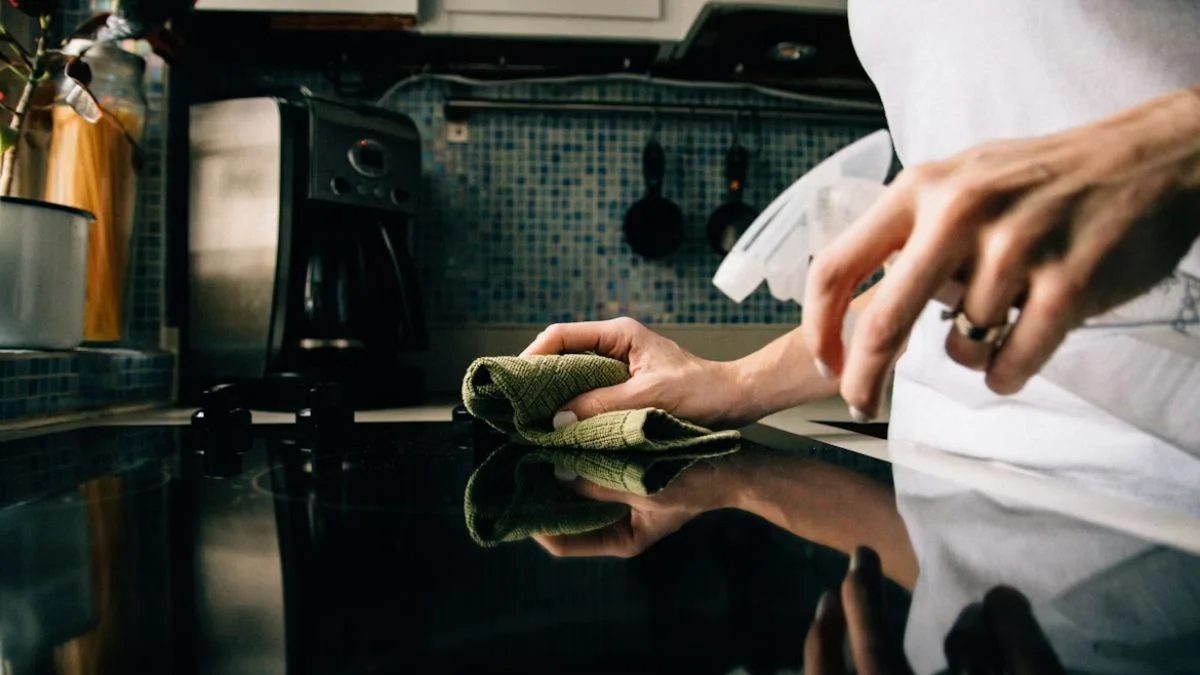
Sometimes regular cleaning is not enough for stubborn stains, which is why learning how to clean glass stove top with baking soda properly can help remove tough buildup safely.
This advanced method is ideal for homeowners learning how to clean glass stove top with baking soda for heavy grease and burnt spills.
Why Vinegar Works Well
White vinegar reacts with baking soda to loosen tough residue.
The fizzing action helps lift grime naturally without harsh chemicals. Many appliance care professionals recommend this combination for deep cleaning.
Step-by-Step Deep Cleaning Method
Step 1: Cool the Surface Completely
Never apply vinegar or baking soda to a hot cooktop.
Temperature shock may damage the glass. Always wait until the stove is fully cool.
Step 2: Sprinkle Baking Soda Generously
Cover burnt areas with a thicker layer of baking soda.
Heavier stains need more product to soften residue properly.
Step 3: Spray White Vinegar
Spray vinegar directly over the baking soda.
You’ll notice fizzing immediately. This chemical reaction helps loosen stubborn grime safely.
Step 4: Let the Mixture Sit
Allow the solution to sit for 15–20 minutes.
Longer resting time improves stain removal effectiveness.
Step 5: Use a Warm Damp Towel
Place a warm towel over the surface for about 10 minutes.
The heat softens hardened residue further and makes cleaning easier.
Step 6: Wipe and Scrub Gently
Use a microfiber cloth to wipe the loosened grime.
Repeat circular motions gently until the surface becomes clean.
Step 7: Rinse and Dry
Remove any leftover residue with clean water.
Dry thoroughly to avoid streaks and water spots.
How to Remove Burnt-On Food Safely
Burnt stains are one of the biggest frustrations for homeowners.
Fortunately, learning how to clean glass stove top with baking soda makes burnt residue easier to handle safely.
Safe Burnt Residue Removal Tips
- Use a plastic scraper only
- Hold scraper at a 45-degree angle
- Never use metal blades aggressively
- Reapply baking soda paste if needed
- Work slowly and gently
Patience is key when removing stubborn stains.
DIY Baking Soda Cleaning Paste
A homemade cleaning paste is an excellent solution when learning how to clean glass stove top with baking soda for concentrated stains and stubborn residue.
Simple Recipe
- 2 tablespoons baking soda
- 1 tablespoon water
Mix until thick and spreadable.
Optional Upgrade
Add a light vinegar spray before wiping for stronger cleaning action.
This DIY paste is ideal for eco-conscious households trying to reduce chemical usage.
Mistakes to Avoid When Cleaning Glass Stove Tops
Even small mistakes while learning how to clean glass stove top with baking soda can damage the surface if proper cleaning methods are not followed.
Common Cleaning Mistakes
- Using steel wool
- Cleaning while surface is hot
- Using excessive force
- Leaving spills for days
- Using bleach-based cleaners
- Sliding cookware across glass
Appliance manufacturers consistently recommend gentle cleaning techniques to preserve finish quality.
Best Cleaning Habits for Long-Term Maintenance
Consistent care keeps your stove looking brand new.
Daily Maintenance Tips
- Wipe after every cooking session
- Clean spills immediately
- Use cookware with smooth bottoms
- Avoid dragging pots and pans
- Polish weekly for shine
Routine maintenance reduces the need for aggressive deep cleaning later.
Natural Cleaning vs Commercial Cleaners
Many people wonder whether natural cleaning methods are truly effective.
Baking Soda Advantages
- Budget-friendly
- Safer for children and pets
- No strong chemical smell
- Environmentally friendly
- Multi-purpose household use
Commercial Cleaner Advantages
- Faster on severe stains
- Often includes polishing agents
- Convenient ready-to-use formulas
For most households, baking soda works perfectly for regular maintenance.
Recommended Products
Here are some helpful tools that make cleaning easier.
Microfiber Cleaning Cloths
Soft microfiber prevents scratching while improving shine.
Glass Cooktop Cleaner Kits
These kits usually include non-abrasive pads and safe cleaning creams.
Plastic Scrapers
Perfect for removing burnt residue safely.
Spray Bottles
Useful for applying vinegar solutions evenly.
Ceramic Stove Top Polish
Adds extra shine and protective coating.
You can naturally monetize your article by linking to trusted cleaning products through affiliate programs.
Eco-Friendly Kitchen Cleaning Benefits
Many homeowners are shifting toward eco-friendly cleaning routines.
Why Natural Cleaning Matters
- Reduces indoor chemical exposure
- Safer for kids and pets
- Better for the environment
- Less plastic waste from chemical bottles
- Lower long-term cleaning costs
As someone who researches sustainable home improvement trends, I’ve noticed that natural cleaning solutions continue growing in popularity among modern homeowners.
How Often Should You Clean a Glass Stove Top?
When learning how to clean glass stove top with baking soda, cleaning frequency matters more than most people realize.
Recommended Schedule
Daily
- Quick wipe after cooking
Weekly
- Deep clean with baking soda
Monthly
- Full polish and residue inspection
Consistent cleaning prevents permanent discoloration and stubborn buildup.
Signs Your Stove Top Needs Deep Cleaning
Some stains may not appear obvious immediately.
Warning Signs
- Cloudy appearance
- Sticky texture
- Rainbow discoloration
- Burnt smell during cooking
- White residue marks
Addressing issues early prevents long-term surface damage.
Can Baking Soda Scratch Glass Stove Tops?
This is one of the most common concerns homeowners have.
The Truth
Baking soda is considered a mild abrasive and is generally safe when used correctly.
However, problems happen when:
- Excessive force is applied
- Rough scrubbers are used
- Dry baking soda is rubbed aggressively
Always combine baking soda with water or vinegar for safest results.
Expert Tips for Extra Shine
If you want your stove top to look professionally cleaned, follow these extra polishing tips.
Pro Shine Tips
- Use distilled water to avoid streaks
- Finish with microfiber buffing
- Dry immediately after rinsing
- Avoid paper towels
- Polish in circular motions
These small details dramatically improve final appearance.
Why Regular Stove Cleaning Improves Kitchen Hygiene
A clean stove isn’t just about appearance.
Hygiene Benefits
- Reduces bacteria growth
- Prevents smoke from burnt residue
- Eliminates grease odors
- Keeps cooking safer
- Improves indoor air quality
Home maintenance experts consistently emphasize kitchen cleanliness for healthier living environments.
FAQs
1. Can I use baking soda on a black glass stove top?
Yes, baking soda is safe for black glass stove tops and helps remove stains effectively without scratching.
2. How long should baking soda sit on the stove top?
Usually 10-20 minutes depending on stain severity.
3. Does vinegar damage glass stove tops?
No, white vinegar is safe and commonly used for breaking down grease and grime.
4. Can I use a razor blade scraper?
A plastic scraper is safer. Metal blades should only be used carefully and according to manufacturer guidelines.
5. What should I avoid using on a glass stove top?
Avoid steel wool, abrasive pads, bleach, and harsh chemical cleaners.
6. How do I remove cloudy marks from my stove top?
Use vinegar with baking soda and polish using a microfiber cloth.
7. Is baking soda enough for burnt-on stains?
Yes, especially when combined with vinegar and a warm towel method.
8. How often should I deep clean my stove top?
Once a week is ideal for maintaining shine and preventing buildup.
Conclusion
Learning how to clean glass stove top with baking soda is one of the easiest ways to maintain a beautiful, hygienic kitchen without spending money on expensive chemical cleaners. Baking soda offers a safe, eco-friendly, and highly effective solution for removing grease, stains, and burnt-on residue while protecting delicate glass surfaces.
By combining baking soda with simple ingredients like warm water, dish soap, and vinegar, you can safely restore shine and prevent long-term buildup. Whether you perform quick daily cleaning or deeper weekly maintenance, consistency is the secret to keeping your cooktop looking brand new.
A sparkling stove top instantly improves the appearance of your kitchen and makes cooking feel more enjoyable. With the right techniques and tools, maintaining your glass cooktop becomes simple, affordable, and stress-free.





- Be Respectful
- Stay Relevant
- Stay Positive
- True Feedback
- Encourage Discussion
- Avoid Spamming
- No Fake News
- Don't Copy-Paste
- No Personal Attacks
- Be Respectful
- Stay Relevant
- Stay Positive
- True Feedback
- Encourage Discussion
- Avoid Spamming
- No Fake News
- Don't Copy-Paste
- No Personal Attacks
