10 Stunning Ways to How to Arrange Indoor Plants at Home Like a Pro
Published: 13 Jun 2026

There’s something almost magical about walking into a home that’s filled with lush, thriving greenery. The air feels cleaner, the rooms feel more alive, and everything just looks more intentional. I’ve been styling indoor plants for years from a cramped apartment with one north-facing window to a full house where every corner tells a botanical story and I can tell you with confidence that knowing how to arrange indoor plants at home makes all the difference between a space that feels like a jungle sale and one that belongs in a design magazine.
The good news? You don’t need a designer’s budget or a green thumb to get it right. You just need a few key principles, some patience, and a genuine love for bringing the outdoors in. Whether you’re working with a single sunny windowsill or a sprawling open-plan living area, these tips will help you create plant displays that look completely effortless even when they aren’t.
Table of Contents
How to Arrange Indoor Plants at Home: 10 Stunning Setup Ideas
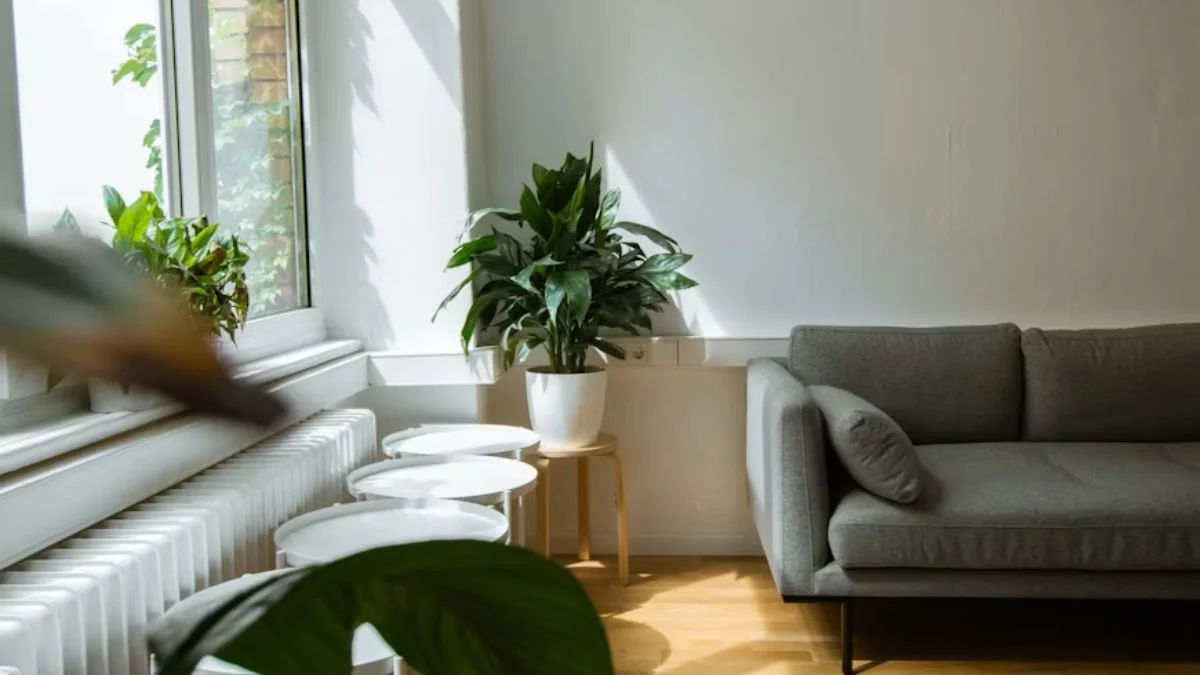
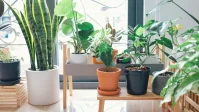
1. The Rule of Three Corner
The easiest way to make any plant grouping look intentional is to always arrange in odd numbers and three is the magic starting point.
- Best plants: Monstera deliciosa (tall), Rubber Plant (medium), Pothos (trailing at low level)
- Pot style: Stick to one material all terracotta or all white ceramic so the trio feels unified
- Styling tip: Place the tallest plant at the back, medium in the middle, and let the trailing plant spill forward for natural depth
- Shopping tip: IKEA’s FEJKA range and H&M Home both offer affordable matching pot sets that make this look effortless
2. The Height-Layered Statement Corner
Height variation is the single most impactful thing you can do when figuring out how to arrange indoor plants at home and this setup proves it.
- Best plants: Fiddle Leaf Fig or Bird of Paradise for the back; Snake Plant for mid-level; succulents or air plants up front
- Pot size: Use a 30–35cm diameter pot for your anchor plant so it holds visual weight in the space
- Styling tip: Add a tall plant stand under your mid-level plant to bridge the gap between floor and ceiling plants naturally
- Shopping tip: VASAGLE and Umbra both make slim, stylish plant stands in black iron or natural wood that suit almost any interior style
3. The Trailing Shelf Display
Shelves and trailing plants were made for each other and this is one of the most popular ways to arrange indoor plants at home right now.
- Best plants: Heartleaf Philodendron, String of Pearls, Marble Queen Pothos, or Devil’s Ivy
- Shelf type: A floating shelf at eye level or a tall ladder shelf gives the most dramatic trailing effect
- Styling tip: Don’t fill every shelf leave breathing room between plants and tuck in a small book stack or ceramic object to break up the green
- Shopping tip: The VASAGLE Ladder Shelf (available on Amazon) is a bestseller for a reason it’s sturdy, affordable, and looks far more expensive than it is
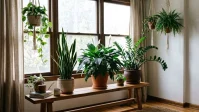
4. The Sunny Windowsill Row
A well-styled windowsill is one of the simplest and most rewarding ways to arrange indoor plants at home, especially in rooms with good natural light.
- Best plants: Herbs (basil, rosemary, mint) for kitchens; succulents and cacti for living rooms; Orchids for bedrooms
- Pot style: Matching terracotta pots with chalk labels for kitchens; matching matte white pots for a cleaner, modern look elsewhere
- Styling tip: Vary the heights slightly by placing some pots on small wooden risers or overturned saucers even 5cm of height difference makes a big visual impact
- Shopping tip: The Rivet Ceramic Herb Pot Set is a great kitchen starter; for succulents, the LE TAUCI Ceramic Plant Pots Set on Amazon offers beautiful matte finishes in neutral tones
5. The Hanging Plant Corner
Vertical space is the most underused real estate in most homes and hanging plants are the fix.
- Best plants: Boston Fern, String of Pearls, Tradescantia, Spider Plant, or a trailing Pothos
- Hanger style: Macramé hangers for a boho feel; sleek white or black geometric metal hangers for a more minimal, contemporary look
- Styling tip: Hang at least two plants at different heights in the same corner to create a cascading layered effect rather than a single isolated pot
- Shopping tip: Mkono macramé plant hangers are widely available on Amazon and come in sets of three, making it easy to build a full hanging display on a small budget
6. The Tray Cluster Setup
This is the styling secret that makes a collection of small plants look like a deliberate, designed display rather than a random assortment of pots.
- Best plants: Small succulents, cacti, air plants (Tillandsia), or small Pothos cuttings in glass jars
- Tray style: A wooden serving tray, a slate board, or a marble slab all work beautifully the tray is the visual anchor that pulls the group together
- Styling tip: Add a small candle, a smooth river pebble, or a tiny figurine to the tray so it reads as a styled vignette rather than just a plant collection
- Shopping tip: Check TK Maxx, HomeSense, or ZARA Home for decorative trays they frequently stock beautiful marble and acacia wood options at reasonable prices
7. The Bathroom Spa Corner
Bathrooms are the most overlooked room when people think about how to arrange indoor plants at home but humidity-loving plants genuinely thrive here.
- Best plants: Boston Fern, Calathea, Peace Lily, Orchid, or a trailing Pothos near the shower
- Pot style: Woven rattan baskets or white ceramic work well against bathroom tiles; avoid unglazed terracotta in very humid rooms as it can develop mould
- Styling tip: Place a bamboo shelf above the toilet or beside the bath and layer two or three plants at different heights even a single trailing plant from a high shelf transforms the feel of a bathroom entirely
- Shopping tip: SONGMICS bamboo shelving units are compact, moisture-resistant, and available on Amazon perfect for small bathrooms with limited floor space
8. The Propagation Station Corner
A propagation station is functional, beautiful, and practically free to build and it’s one of the most creative ways to arrange indoor plants at home on a tight budget.
- Best plants: Pothos, Tradescantia, Spider Plant, Heartleaf Philodendron, or Begonia cuttings all root easily in water
- Vessel style: Clear glass bottles, vintage pharmacy bottles, or simple glass bud vases lined up on a shelf show off the roots beautifully
- Styling tip: Group bottles in varying heights and shapes on a small floating shelf; add a handwritten label to each cutting for a personal, artisanal touch
- Shopping tip: IKEA’s BESTÅLL glass vases and Amazon’s borosilicate glass propagation stations are both affordable starting points or simply repurpose old sauce bottles and wine glasses from your own kitchen
9. The Low-Light Dark Corner Rescue
Not every corner gets great light but that doesn’t mean it has to be bare. Learning how to arrange indoor plants at home in darker spots is simply a matter of choosing the right plants.
- Best plants: ZZ Plant, Cast Iron Plant, Snake Plant (Sansevieria), Heartleaf Philodendron, or Chinese Evergreen
- Pot style: Darker corners benefit from lighter-coloured pots white, cream, or pale grey which reflect available light and stop the display from disappearing into the background
- Styling tip: Add a small LED grow light disguised within the arrangement modern clip-on grow lights are slim and unobtrusive, and they genuinely extend what’s possible in a dark room
- Shopping tip: The Aspect LED Grow Light by Soltech Solutions is a top recommendation for stylish, effective grow lighting; more budget-friendly options from Barrina and GE are widely available on Amazon
10. The Bedroom Nightstand Moment
The bedroom is where restraint pays off and a single, well-chosen plant on a nightstand can be more impactful than an entire shelf in the wrong spot.
- Best plants: Peace Lily (gentle air purifier), Lavender (calming scent), small Pothos, or a low-maintenance succulent
- Pot size: Keep it proportional a pot no wider than 15cm suits most nightstands without overwhelming the surface
- Styling tip: Pair the plant with a small candle, a carafe of water, and your current read to create a genuine nightstand vignette that feels considered and calm
- Shopping tip: Cox & Cox and Anthropologie Home both stock beautiful small ceramic pots in muted, bedroom-friendly tones worth checking their sale sections for great deals on quality pieces
Quick Tips / Pro Tips
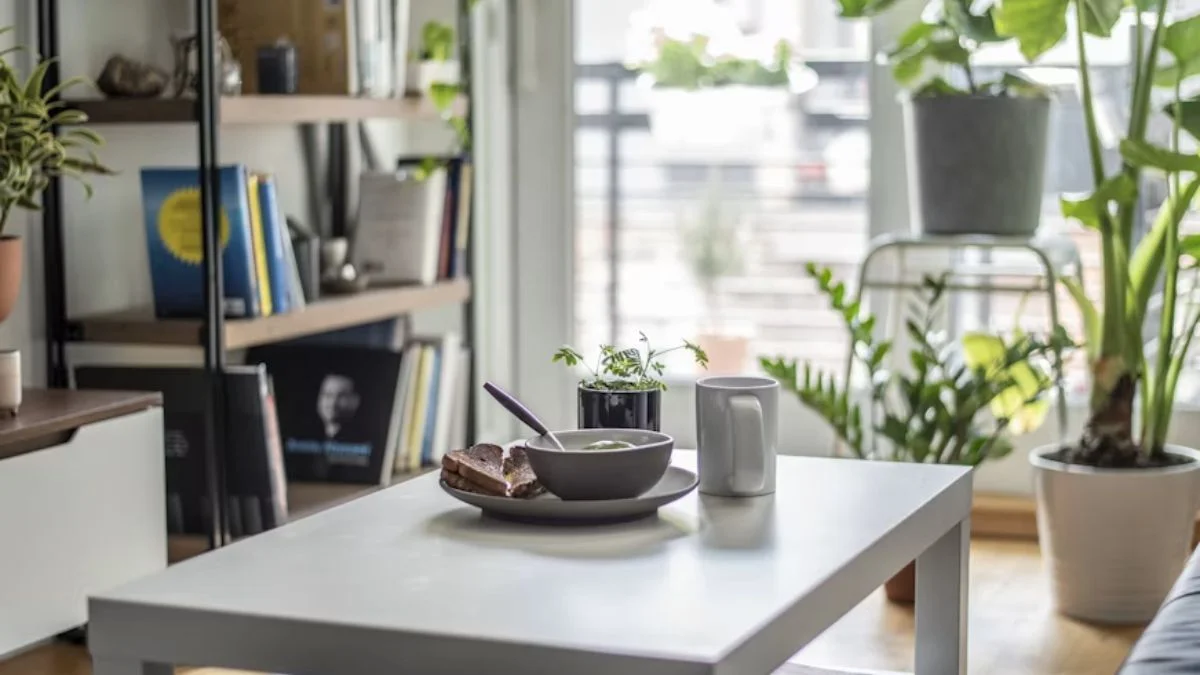
- Always group in odd numbers: 3 or 5 plants always look more natural than 2 or 4.
- Using a tray to unify small pots: it instantly makes a random collection look styled and intentional.
- Rotate your plants every few weeks: even light exposure keeps them growing evenly and looking their best.
- Match pot color to your room palette: neutral tones (white, terracotta, grey) work with almost every interior style.
- Less is more: one stunning plant in the right spot beats ten overcrowded pots every single time.
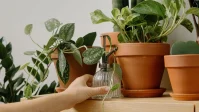
- Wipe dusty leaves with a damp cloth: clean leaves look healthier, absorb more light, and photograph beautifully.
- Use plant stands to add instant height: even a basic bamboo stand can transform a small plant into a statement piece.
- Try cuttings in glass jars: a propagation display costs almost nothing and looks genuinely beautiful on any shelf.
Common Mistakes to Avoid
- Ignoring light requirements: placing a sun-loving plant in a dark corner is the fastest way to lose it.
- Overcrowding too quickly: buying everything at once leads to cluttered displays and stressed plants.
- Mismatched pots in clashing styles: too many different materials and colors in one spot looks chaotic, not curated.
- Wrong scale for the room: a tiny succulent in a large room looks lost; a huge Monstera in a small space feels overwhelming.
- Watering on a fixed schedule: always check the soil first; overwatering kills more houseplants than anything else.
- Forgetting vertical space: walls and ceilings are free real estate use hanging planters and wall brackets.
- Skipping the drainage check: always make sure pots have drainage holes or use a layer of pebbles at the bottom.
- Buying plants just for aesthetics: if a plant’s care needs don’t suit your lifestyle, it won’t survive long enough to look good.
FAQs
Q:1 How do I start arranging indoor plants at home as a beginner?
The best way to start how to arrange indoor plants at home is with three plants of varying heights in one spot, use matching pots, and build from there.
Q:2 Which plants are best for low-light corners?
When learning how to arrange indoor plants at home in dark spots, ZZ Plant, Snake Plant, Pothos, and Chinese Evergreen all thrive with minimal natural light.
Q:3 How many plants should I have in one room?
There’s no fixed number, focus on quality over quantity and stop when it feels lush, not cluttered.
Q:4 Can I mix different plant types in one arrangement?
Yes, just make sure they share similar water and light needs to simplify your care routine.
Q:5 What is the easiest way to add height to a plant display?
Place plants on stands, stools, or stacked books even small height differences create big visual impact.
Q:6 How do I keep my plant arrangements looking fresh?
Rotate plants regularly, wipe leaves clean, swap seasonal plants, and refresh pot covers as needed.
Q:7 Are artificial plants okay to use in arrangements?
High-quality faux plants work well in very dark or high-traffic spots where real plants simply won’t survive.
Q:8 What pots work best for a cohesive plant display?
When figuring out how to arrange indoor plants at home, stick to two or three complementary styles terracotta, white ceramic, or woven baskets per room.
Conclusion
Learning how to arrange indoor plants at home is one of the most rewarding things you can do for your living space. It doesn’t require a big budget, a perfect home, or expert-level plant knowledge, just a willingness to experiment and a genuine love for bringing green into your everyday life. Start small, stay consistent, and let your plant collection grow alongside your confidence. Your home deserves to feel alive and indoor plants are the simplest, most beautiful way to make that happen.
Every great plant display starts with a single pot in the right place so don’t wait until everything is perfect to begin. Pick one corner, one shelf, or one windowsill today and let that be your starting point.
The plants will grow, your eye will develop, and before long you’ll have a home that feels genuinely alive, one that tells your story, reflects your style, and welcomes you every single time you walk through the door.

- Be Respectful
- Stay Relevant
- Stay Positive
- True Feedback
- Encourage Discussion
- Avoid Spamming
- No Fake News
- Don't Copy-Paste
- No Personal Attacks
- Be Respectful
- Stay Relevant
- Stay Positive
- True Feedback
- Encourage Discussion
- Avoid Spamming
- No Fake News
- Don't Copy-Paste
- No Personal Attacks
