7 Practical Sofa Styling Ideas to Instantly Elevate Your Living Room Design
Published: 27 Dec 2025
Sofa styling plays a major role in defining the overall look and comfort of a living room. Since the sofa is often the largest and most noticeable furniture piece, the way it is styled can instantly affect how welcoming and balanced the space feels. Thoughtful styling brings structure, warmth, and personality to a room, helping it look complete rather than empty or disorganized.
The beauty of sofa styling lies in its simplicity and flexibility. You don’t need expensive furniture or a full makeover to refresh your living room. With the right combination of cushions, throws, colors, textures, and accessories, styling allows you to update your space affordably while reflecting your personal taste and lifestyle.
Table of Contents
1. Begin with a Well-Planned Cushion Arrangement
Cushions are the foundation of effective sofa styling. They provide comfort while adding color, pattern, and visual interest. A balanced cushion arrangement can instantly make your sofa look polished and intentional.
For most sofas, three to five cushions work best. Large sofas can handle more cushions, while smaller sofas look better with fewer. Mixing different sizes adds depth, while combining solid colors with subtle patterns keeps the arrangement visually appealing. Avoid overcrowding, as too many cushions reduce comfort and make the sofa feel cluttered.
Cushions should support the overall styling theme rather than overpower it. Neutral sofas allow more flexibility, while bold sofas benefit from toned-down cushion colors.
2. Use Color Coordination to Create Visual Balance
Color coordination is one of the most important elements of styling. Your sofa should feel connected to the rest of the living room rather than standing apart.
Neutral color schemes are timeless and easy to update, while accent colors add personality and energy. Earth tones create warmth, pastels bring softness, and monochrome palettes suit modern interiors. The key is repetition, using the same colors from styling your sofa in rugs, curtains, or wall art helps create a cohesive look.
Avoid using too many unrelated colors, as this can make styling feel chaotic rather than harmonious.
3. Add Texture to Make the Sofa Feel Inviting
Texture is essential for creating depth and comfort in styling your sofa. Without texture, even the most stylish sofa can appear flat and uninteresting.
Mixing materials such as linen, cotton, velvet, wool, or knitted fabrics adds richness and warmth. Smooth cushions paired with textured throws create contrast and visual interest. This layered approach makes the sofa feel cozy and welcoming while enhancing the overall design.
Texture-based sofa styling works especially well in neutral living rooms where color variation is minimal.
4. Style Throws to Enhance Comfort and Flow
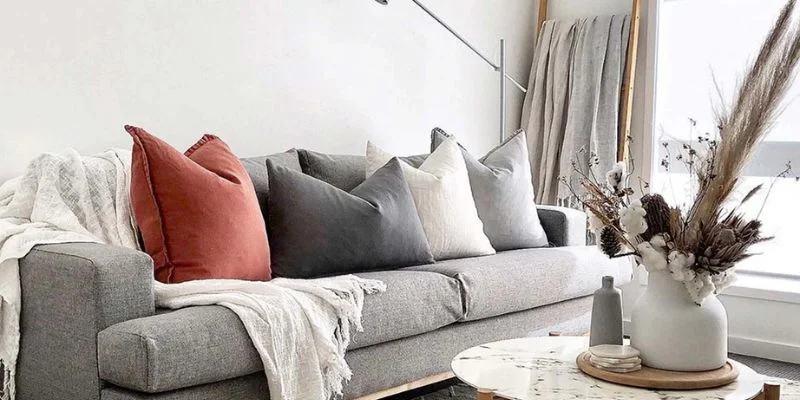
Throws are one of the easiest and most affordable sofa styling tools. They add softness, warmth, and movement to the seating area.
You can drape a throw casually over one arm for a relaxed look or fold it neatly along the backrest for a more structured appearance. Choosing throw colors that complement your cushions helps maintain balance in styling.
Beyond aesthetics, throws also add functionality, making the sofa more comfortable for everyday use.
5. Pay Attention to Sofa Size and Room Proportion
Proportion is often overlooked in sofa styling, yet it greatly impacts the final look. A large sofa in a small room can feel overwhelming if not styled carefully, while a small sofa in a large space may feel lost.
For compact spaces, limit the number of cushions and stick to lighter colors. In larger rooms, additional cushions, throws, or side furniture help anchor the sofa visually. Proper scale ensures styling your sofa enhances the room rather than disrupting it.
6. Match Sofa Styling with Your Interior Theme
Consistency is key when it comes to sofa styling. The way you style your sofa should align with your home’s overall interior design theme.
Modern interiors benefit from clean lines and minimal accessories, while bohemian spaces allow mixed patterns and bold textures. Farmhouse styles work well with neutral tones and cozy fabrics, while luxury interiors call for structured layouts and rich materials.
When the styling reflects the interior theme, the living room feels intentional and well-designed.
7. Complete Sofa Styling with Surrounding Accessories
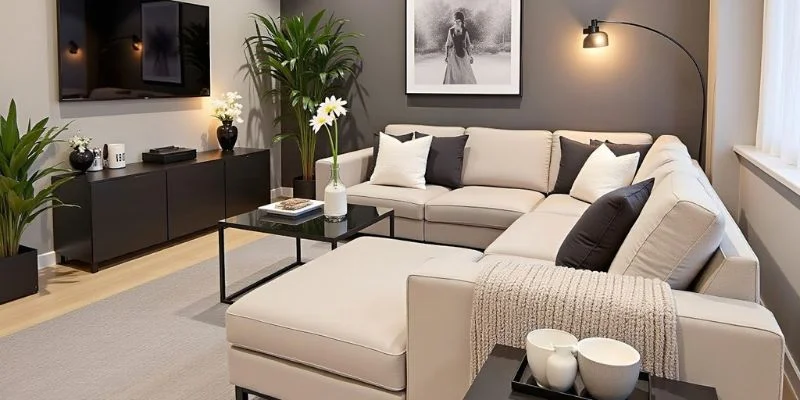
Sofa styling doesn’t stop at cushions and throws. The surrounding elements help frame the sofa and complete the seating area.
Side tables, floor lamps, and coffee tables add function while improving visual balance. Decorative books, trays, or plants placed nearby can enhance sofa styling without cluttering the space.
These supporting elements ensure your sofa looks integrated into the room rather than standing alone.
Common Sofa Styling Mistakes to Avoid
Even simple mistakes can reduce the impact of sofa styling. Using too many cushions, ignoring comfort, choosing clashing colors, or neglecting proportion can make the sofa look awkward.
Successful sofa styling always balances beauty with practicality. The goal is a sofa that looks stylish while remaining comfortable and functional for everyday living.
Final Thoughts
Sofa styling is a simple yet powerful way to enhance the look and comfort of your living room without making permanent or expensive changes. Since the sofa is often the visual anchor of the space, thoughtful sofa styling helps bring balance, warmth, and structure to the entire room. By carefully choosing cushions, coordinating colors, layering textures, and paying attention to proportion, you can transform an ordinary sofa into a stylish focal point that complements your home’s overall design.
One of the greatest benefits of sofa styling is its flexibility and accessibility. Small updates like changing cushion covers, adding a seasonal throw, or adjusting surrounding accessories can instantly refresh your living room while keeping it functional for everyday use. With the right approach, sofa styling allows you to express your personal taste, maintain comfort, and create a welcoming environment that feels polished, cohesive, and complete.
FAQs
Q1: How many cushions are ideal for sofa styling?
The best seat number is from three to five cushions on one sofa for most cases.
Q2: Can sofa styling improve small living rooms?
Yes, simple sofa styling with light colors makes spaces feel larger.
Q3: Should sofa styling match rugs and curtains?
Repeating colors helps create a cohesive interior.
Q4: How often should sofa styling be updated?
Seasonal updates are practical and budget-friendly.
Q5: Is sofa styling expensive?
No, small changes like cushion covers and throws are affordable.




- Be Respectful
- Stay Relevant
- Stay Positive
- True Feedback
- Encourage Discussion
- Avoid Spamming
- No Fake News
- Don't Copy-Paste
- No Personal Attacks
- Be Respectful
- Stay Relevant
- Stay Positive
- True Feedback
- Encourage Discussion
- Avoid Spamming
- No Fake News
- Don't Copy-Paste
- No Personal Attacks
