10 Best Geyser Shower Tips & Modern Upgrades for a Comfortable Home Bathroom
Published: 4 Dec 2025
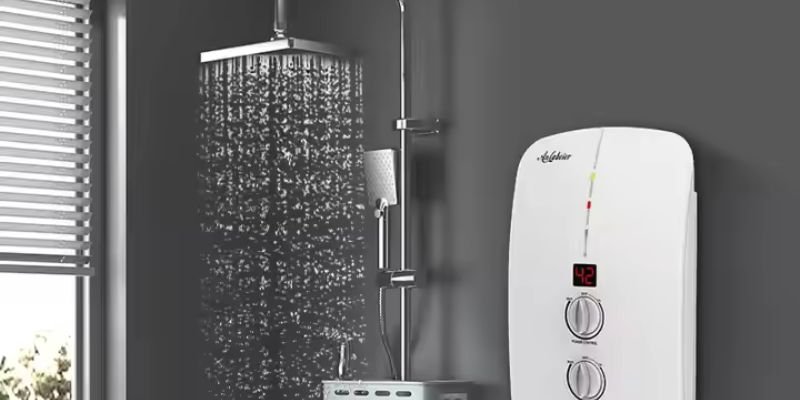
A geyser shower is one of the most essential components of a modern bathroom, especially when you want consistent water temperature, energy efficiency, and a comfortable daily bathing experience. Whether you’re upgrading your bathroom or fixing water-heating issues, understanding how to improve your geyser shower setup can make your home more efficient and enjoyable.
Today’s homeowners are becoming more careful about energy bills, hot water flow, safety, and long-term performance. That’s why choosing the right geyser shower configuration and maintaining it properly can save you time, money, and frustration. In this guide, you’ll learn expert-backed tips, smart upgrades, and practical ideas to get the best out of your geyser shower without overspending or complicating your bathroom system.
Table of Contents
Why You Should Improve Your Geyser Shower System
Improving your geyser shower setup doesn’t just mean hot water, it improves comfort, reduces electricity consumption, and extends the lifespan of your equipment. A well-optimized geyser shower provides stable temperature, quick heating time, and uninterrupted water pressure. Modern users also demand safer features such as automatic shutoff, anti-scalding protection, and digital control panels, all of which can be added to existing systems.
A properly designed system ensures that your bathroom transitions smoothly between seasons keeping you warm in winter and energy-efficient year-round.
1. Choose the Right Capacity for Your Geyser Shower
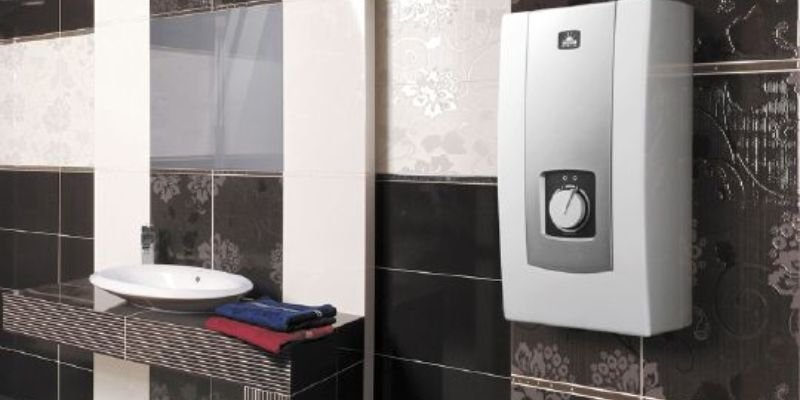
Selecting the right size ensures smooth performance. Small households may do well with a 10-15 liter geyser, while larger families often benefit from 20-30 liters. Oversized geysers waste energy, while undersized ones struggle to supply hot water. Always match the size with your bathroom’s usage.
2. Install a Thermostatic Mixing Valve
A thermostatic mixing valve keeps your geyser shower temperature consistent even when other taps are used in the home. This prevents sudden hot-and-cold bursts and improves bathing comfort. It’s also a child-friendly and senior-friendly upgrade.
3. Improve Water Pressure for a Better Experience
If your water pressure is low, your geyser shower output may feel weak or inconsistent. You can improve this by cleaning aerators, installing a booster pump, or upgrading plumbing connections. Good pressure ensures your shower feels luxurious instead of uneven or slow.
4. Use Energy-Efficient Settings
Most modern geysers provide eco-modes, temperature presets, and energy-saving timers. Using these settings can reduce electricity bills and extend the lifespan of the heating element. Keeping your geyser shower at an optimal temperature (48–50°C) also prevents overheating.
5. Add a Digital Temperature Display
Digital displays are highly accurate and prevent users from constantly adjusting taps to get the perfect temperature. This also reduces water wastage and heating time, giving you better control over your geyser shower output.
6. Insulate Pipes for Faster Heating
Insulating hot water pipes reduces heat loss and ensures the geyser shower warms up much faster. This is extremely helpful in colder climates or homes with long pipe distances. It’s a small upgrade but significantly improves performance.
7. Clean the Geyser Tank Regularly
Sediment buildup affects heating efficiency and can cause discolored or smelly water. Flushing your geyser once every 6-12 months removes mineral deposits, protects the internal components, and ensures your geyser shower performs at its best.
8. Install a High-Quality Showerhead

An upgraded showerhead improves comfort without increasing water usage. Choose features like:
• Mist settings
• Rainfall patterns
• Massage modes
• Air + water mixing technology
Pairing the right showerhead with your geyser shower creates a spa-like experience.
9. Ensure Proper Electrical Safety
A geyser must be installed with proper grounding, MCB protection, and heat-resistant wiring. This prevents overheating and electrical hazards. Hiring a licensed electrician ensures your geyser shower remains safe for daily use.
10. Upgrade to an Instant or Hybrid System
Instant geysers heat water on demand, while hybrid geysers combine tank storage with fast heating technology. Both provide consistent hot water and greater energy efficiency. If you want a modern, low-maintenance geyser shower solution, upgrading to these systems is a smart long-term investment.
Geyser Shower Setup Troubles Frequently Encountered & Solutions
Temperature Fluctuations
Usually caused by poor mixing valves or inconsistent water pressure. A thermostatic valve fixes this instantly.
Slow Heating Time
Often due to sediment buildup or weak heating elements. A simple servicing resolves it.
Low Water Pressure
This may be related to clogged pipes or an unsuitable showerhead. Cleaning or upgrading improves flow.
High Energy Bills
Using eco-mode and insulating pipes significantly lowers monthly costs.
Safety Tips for Using a Geyser Shower
• Never set your geyser above 60°C to avoid scalding.
• Install a pressure release valve to prevent tank damage.
• Turn off the geyser if you smell burning or hear unusual noises.
• Avoid leaving children unattended during a shower.
These precautions protect your family and prolong your geyser’s lifespan.
Best Locations to Install a Geyser
• Inside a dedicated overhead bathroom cabinet
• Above the shower area (with proper waterproofing)
• Utility space connected to the bathroom
• Outdoor insulated box (for some climates)
Correct placement ensures easy maintenance and faster water delivery.
Maintenance Checklist for Long-Lasting Performance
- Descale the tank once a year
- Replace the anode rod every 2-3 years
- Test thermostat performance
- Inspect wiring and switches
- Check for water leaks or rust marks
A well-maintained geyser shower performs reliably and safely.
Final Thoughts
Improving your geyser shower setup is one of the smartest investments you can make for a more comfortable, energy-efficient, and modern bathroom. From thermostatic valves and insulation to digital controls and upgraded showerheads, each improvement adds value to your home. With proper maintenance and smart use of settings, your geyser shower will deliver perfect water temperature, better pressure, and increased safety for years to come.
FAQs
1. How often should I service my geyser?
Once every 12 months for optimal performance.
2. Can I install a geyser shower in a small bathroom?
Yes, instant or compact geysers are ideal for small spaces.
3. Why does my geyser shower take long to heat?
Sediment buildup or a weak element may be the cause.
4. What temperature is best for daily showers?
Between 48°C to 50°C is ideal for comfort and safety.
5. Does pipe insulation really make a difference?
Yes, it reduces heat loss and speeds up hot water delivery.




- Be Respectful
- Stay Relevant
- Stay Positive
- True Feedback
- Encourage Discussion
- Avoid Spamming
- No Fake News
- Don't Copy-Paste
- No Personal Attacks
- Be Respectful
- Stay Relevant
- Stay Positive
- True Feedback
- Encourage Discussion
- Avoid Spamming
- No Fake News
- Don't Copy-Paste
- No Personal Attacks
