Kitchen Outlet Height: The Complete Guide for a Safe and Functional Kitchen
Published: 10 Oct 2025

Creating a kitchen is not only about aesthetics; it is also about making the space practical and comfortable to use every day. While many homeowners focus on cabinets, countertops, and lighting, electrical planning is just as important. One detail that often gets ignored is the kitchen outlet height, which directly affects how convenient your kitchen will be during daily tasks. If outlets are placed too low, appliance cords can clutter the counter and create a messy look. On the other hand, outlets that are too high may be difficult to reach or disrupt the design of the backsplash.
Choosing the right kitchen outlet height helps keep appliances easy to plug in while maintaining a clean and organized workspace. Proper outlet placement also improves safety and ensures your kitchen functions smoothly whether you are cooking, cleaning, or preparing meals.
Table of Contents
The Importance of Kitchen Outlet Height
Having the right outlet height in your kitchen means purchasing reinforcements for your DIY job’s practicality, safety compliance, and visual appeal. Besides, if the outlet is too low, the wires could be tangled on your counters. If it is too high, the outlet will be difficult to use and may spoil the overall look of your kitchen.
In addition to the aspects of comfort, safety, and style, the right placement of the outlets is also a prerequisite for meeting the requirements of the National Electrical Code (NEC). The code contains instructions on the safe ways of wiring the kitchen.
The Normal Kitchen Outlet Height
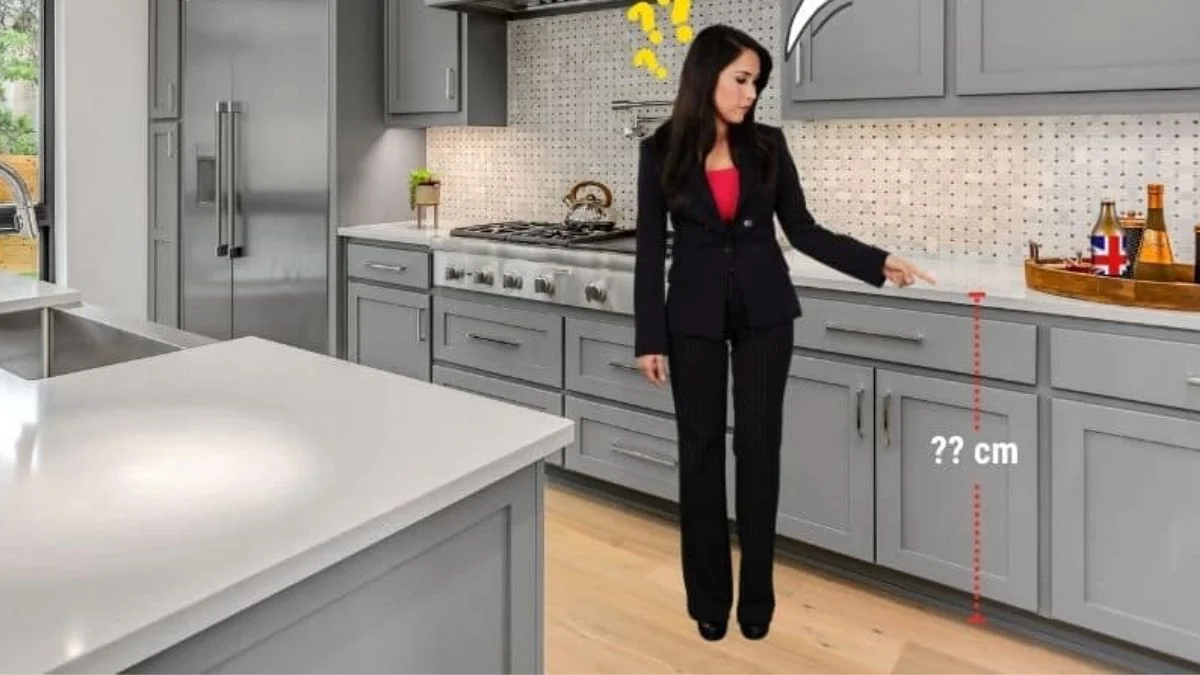
What is the normal height of the kitchen outlets, then?
On the Counter
The majority of electricians put the outlet at a distance of 15 to 20 inches from the countertop surface.
With this outlet height, one should be able to easily plug the cords of the devices that are used daily such as a blender, a coffee maker, or a toaster while they remain safe and out of the way.
Under-cabinet Outlets
You may resort to the use of under-cabinet outlets if you would like to keep your backsplash neat and not cluttered. They are usually installed right underneath the upper cabinets, normally at a height of around 18 inches from the countertop, and are therefore not easily visible.
This trend in design is gaining more and more popularity, especially among fans of modern and minimalist kitchens.
Outlet Height for Kitchen Islands and Peninsulas
According to the NEC, a kitchen island or peninsula has to be equipped with at least one outlet. Typically, since no wall is available, the outlets are placed on the side of the island.
Recommended Height
The usual height for the outlets on a kitchen island is 12-15 inches from the floor. If you decide to put outlets on the side panels or drawers, the precise height can be changed depending on the design, just be sure they are accessible and not too obvious.
Outlet Height Behind Appliances
Power outlets are necessary for big appliances like refrigerators, dishwashers, and ovens; however, these outlets are usually placed lower to hide the cords.
- Refrigerator outlet height: approximately 12 inches above the floor.
- Dishwasher outlet height: generally 6-8 inches above the floor, in a nearby cabinet.
- Microwave outlet height: is based on whether it’s a countertop or a mounted unit. For countertop appliances, outlets are 15–20 inches above the counter; for built-ins, they are concealed behind the unit.
How Many Outlets Do You Need in a Kitchen?
The NEC suggests putting an outlet every 4 feet along the countertop. This is to make sure that no place is more than 24 inches away from a plug, thus it becomes safe and easy to use multiple appliances at a time.
There are some other quick rules:
- Outlets have to be installed above all countertops that are 12 inches or wider.
- Not more than 20 inches above the countertop unless located in cabinets or in special cases.
- Each kitchen island or peninsula is required to have at least one outlet.
Aesthetic Tips for Kitchen Outlet Placement
If they are thought of just as functional elements, the question of where to place your kitchen outlets might seem trivial. However, outlets can not only help but also hinder the look of your kitchen. Here are some designer tricks to keep them invisible and still accessible:
1. Match Your Outlet Covers
Try to blend your cover with the materials used in the backsplash or the color of the wall. Irradiated finishes or paintable covers can make them almost unnoticeable.
2. Use Pop-Up Outlets
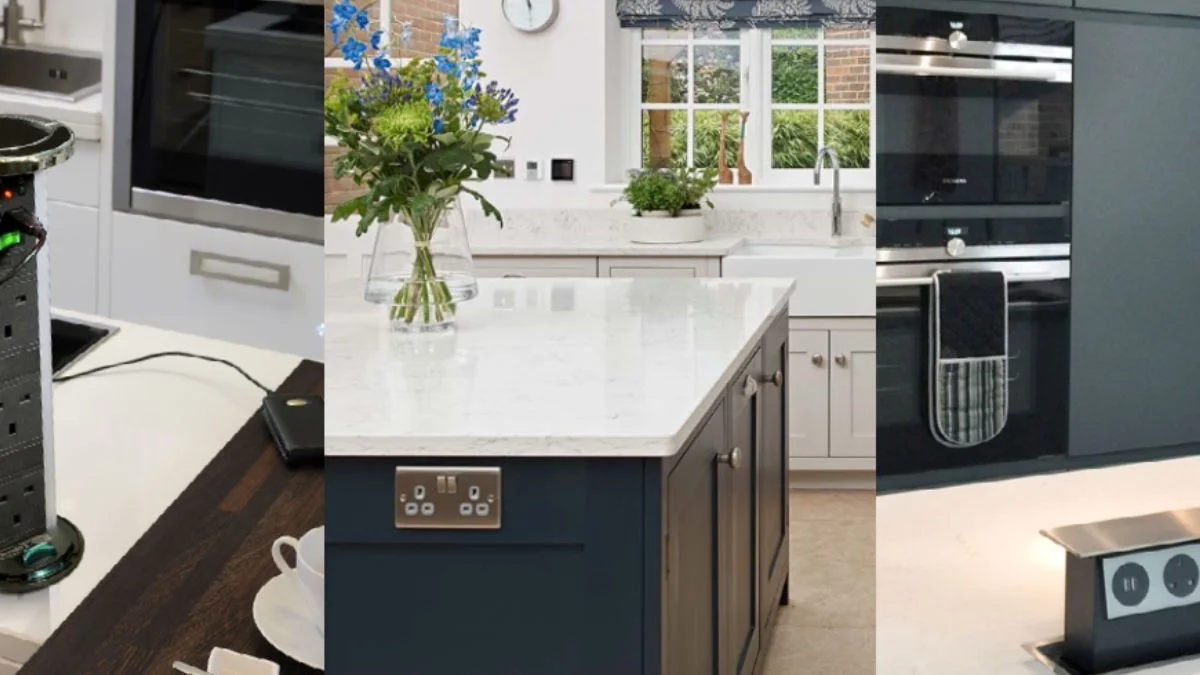
Pop-up outlets are elegant and modern. Until you press them to pop out of the countertop, you cannot see them. This is perfect for minimalist kitchens.
3. Hide Outlets Under Cabinets or Drawers
The installation of outlets horizontally under the upper cabinets or inside drawers can be the way to keep the backsplash clean and the design-oriented.
4. Consider USB and Smart Outlets
The incorporation of ports with the USB standard or smart plugs in the kitchen outlet will make the device charging and appliance controlling a lot easier.
Safety Tips for Kitchen Outlet Installation
- Install GFCI (Ground Fault Circuit Interrupter) outlets in the kitchen as a mandatory safety measure against electrical shocks from water exposure.
- Do not take the matter of installation or renovation into your own hands but instead recruit a licensed electrician.
- Without a doubt, you should not overload one single outlet with multiple high-powered appliances.
- Make sure that outlets near sinks are at a minimum distance of 2 feet from the water source whenever it is possible.
Common Mistakes to Avoid
- Locating outlets too low behind backsplash tiles, which makes plugging in appliances inconvenient.
- Omitting island or peninsula outlets, which not only causes inconvenience but can also be against the regulations.
- Putting in too few outlets, the needs of the modern kitchens are far beyond what you think.
- Not aligning outlets evenly, as far as inconsistent placement is concerned, it looks untidy.
FAQs
1. What is the standard height for kitchen outlets above the countertop?
Kitchen outlet heights usually range from 15 to 20 inches above the countertop. Within this range, accessing outlets by a small appliance is convenient, cords are kept neat and safe from the ground.
2. How high should outlets be on a kitchen island?
In most cases, kitchen island outlet installation is done on the side panel which is around 12 to 15 inches above the floor. In this way, the outlets remain out of sight but still handily accessible for plugging in a mixer or a blender.
3. Do kitchen outlets need to be GFCI protected?
Indeed. The National Electrical Code (NEC) requires that all kitchen outlets that are close to the countertop, sink, or any water source be GFCI (Ground Fault Circuit Interrupter) protected to avoid electrical shocks.
4. How many outlets should a kitchen have?
The NEC suggests the installation of an outlet every 4 feet along the length of those countertops where there are no existing outlets. This enables no part of the counter to be further than two feet from a plug, thus allowing several appliances to be used simultaneously without overloading the circuits.
5. Can I install outlets under kitchen cabinets or inside drawers?
Conclusion
The installation of outlets underneath cabinets or within drawers is a current favored trend. It not only keeps your backsplash looking neat and tidy but also gives the kitchen a modernized and stylish finish without compromising functionality.
Determining the right kitchen outlet height may seem like a small detail, but it plays a big role in your kitchen’s comfort, safety, and functionality. Following common standards can help you achieve the perfect balance between convenience and design, typically about 15-20 inches above the countertop and around 12-15 inches for kitchen islands.
By carefully planning the kitchen outlet height and placement during the design stage, you can create a kitchen that not only looks beautiful but also supports everyday tasks efficiently and safely for years to come.




- Be Respectful
- Stay Relevant
- Stay Positive
- True Feedback
- Encourage Discussion
- Avoid Spamming
- No Fake News
- Don't Copy-Paste
- No Personal Attacks
- Be Respectful
- Stay Relevant
- Stay Positive
- True Feedback
- Encourage Discussion
- Avoid Spamming
- No Fake News
- Don't Copy-Paste
- No Personal Attacks
