Kitchen Design Layout with Island: The Perfect Balance of Style and Function
Published: 9 Oct 2025
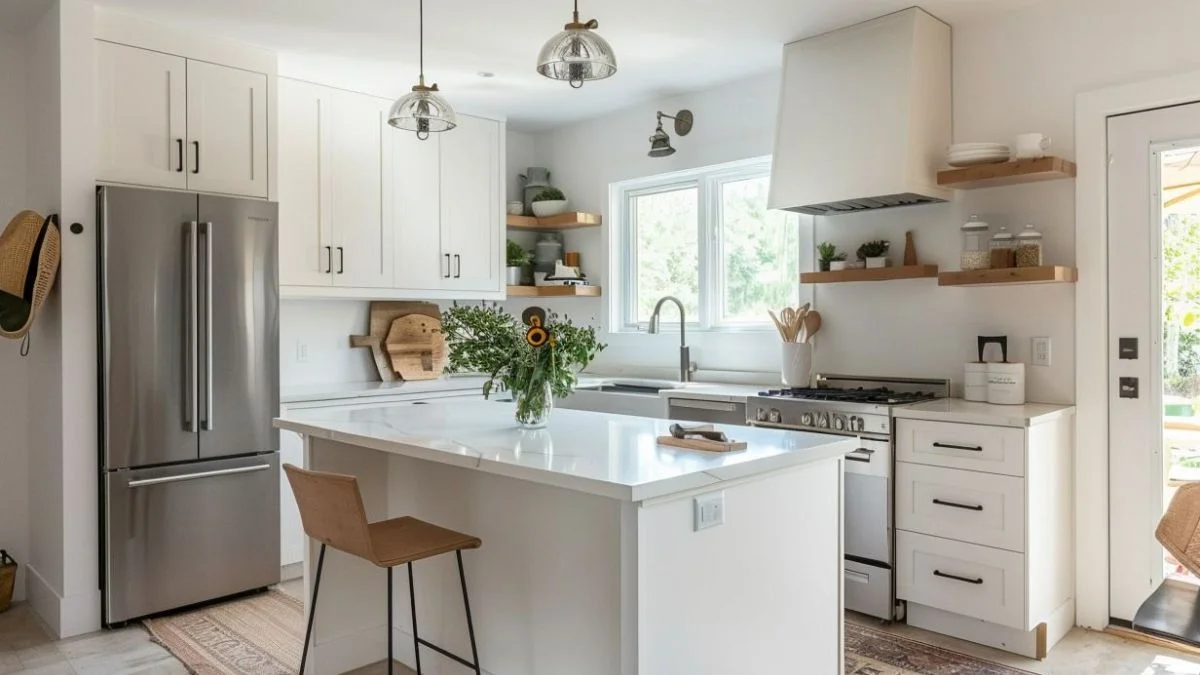
Nowadays, designing a kitchen goes beyond placing cabinets and appliances in the right spots. It is about creating a space that looks open, functional, and inviting – which is the real essence of the home. One element that not only looks great but also works well is a kitchen island. In case you are refurbishing or planning a new kitchen from the ground up, the right kitchen design layout with an island can not only change the way your space looks but also how it functions.
By reading this guide, you will find out the different kitchen layouts with islands, how to make the right choice for your house, and some tips on the design of this contemporary essential to get the best results.
Table of Contents
Why opt for an Island Kitchen Layout?
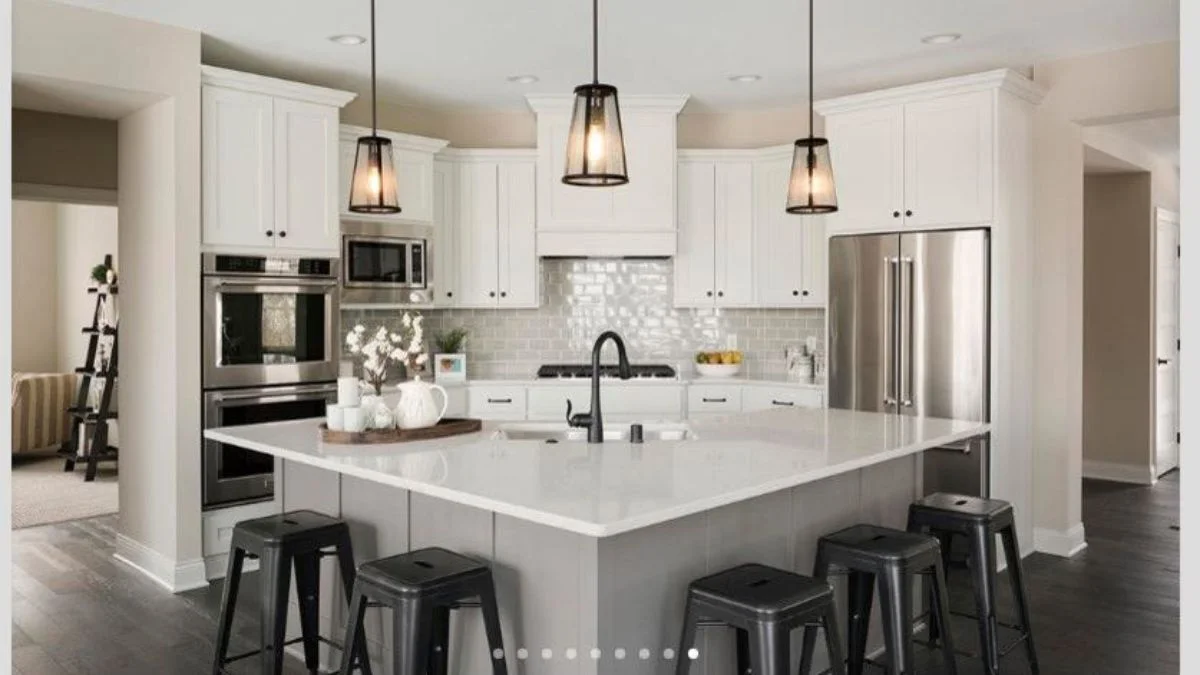
A kitchen island is more than just a trend. In a kitchen design layout with island, it works as a multi-purpose centerpiece. It provides extra countertop space for cooking, additional storage, and even seating. At the same time, it adds style and beauty to the overall kitchen design.
Here are some of the reasons why those who own a house decide to incorporate an island in their kitchen layout:
- Extra Functionality: Can be used for meal preparation, baking, or serving of snacks.
- Social Hub: Makes a great meeting place for family and friends.
- Visual Balance: Gives the kitchen area a new definition, mainly in open-plan houses.
- Added Storage: Whether it be drawers, cabinets, or built-in shelves under the island, they allow decluttering of the worktops.
- Design Versatility: One can change the size, shape, and even the features of the island to fit the style of his/her kitchen.
Popular Kitchen Design Layouts with Island
There isn’t a single best layout that fits all situations. Your kitchen size, shape, and lifestyle will determine the best island design. To get ideas, you can check out some of the most common kitchen design layouts with an island:
1. L-Shaped Kitchen with Island
This is one of the most adaptable and efficient designs in terms of space. Besides two walls, the L-shaped layout gives the possibility not only to have more counter space but also the center space is available to put a fashionable island.
- Best for: Medium to large kitchens
- Pro Tip: Bar stools on one side of the island can help you to create a relaxed dining place.
2. U-Shaped Kitchen with Island
A U-shaped kitchen layout with an island provides maximum workspace, storage, and efficiency. Cabinets and countertops along three walls create a practical cooking zone, while the island in the center adds extra prep space and improves workflow. This design also gives the kitchen a spacious, luxurious, and professional feel, making it ideal for people who enjoy cooking frequently.
Best for: Large kitchens
Pro Tip: Maintain at least 3.5 to 4 feet of clearance around the island to ensure smooth movement and comfortable access to cabinets and appliances
3. Galley Kitchen with Island
Galley kitchens by nature are quite narrow. However, the addition of a small, slim island can make the design less confined.
- Best for: Long, narrow spaces
- Pro Tip: A movable island or a peninsula takes up less space.
4. Open-Concept Kitchen with Island
Open-concept kitchens with a central island are perfect for modern homes, and a kitchen design layout with island helps create a smooth connection between the cooking, dining, and living areas.
- Best for: Homes with open floor plans
- Pro Tip: Pendant lights over the island not only provide lighting but also visually define the kitchen area.
5. Parallel Kitchen with Dual Islands
Space permitting, dual islands can do the aesthetic and the functional side of your kitchen a favor. You can set up one island for meal prep and the other, for instance, as a breakfast bar or a place where you can socialize.
- Best for: Extra-large kitchens
- Pro Tip: To keep a clean and spacious look, free one island of any clutter.
Choosing the Right Island Size and Shape
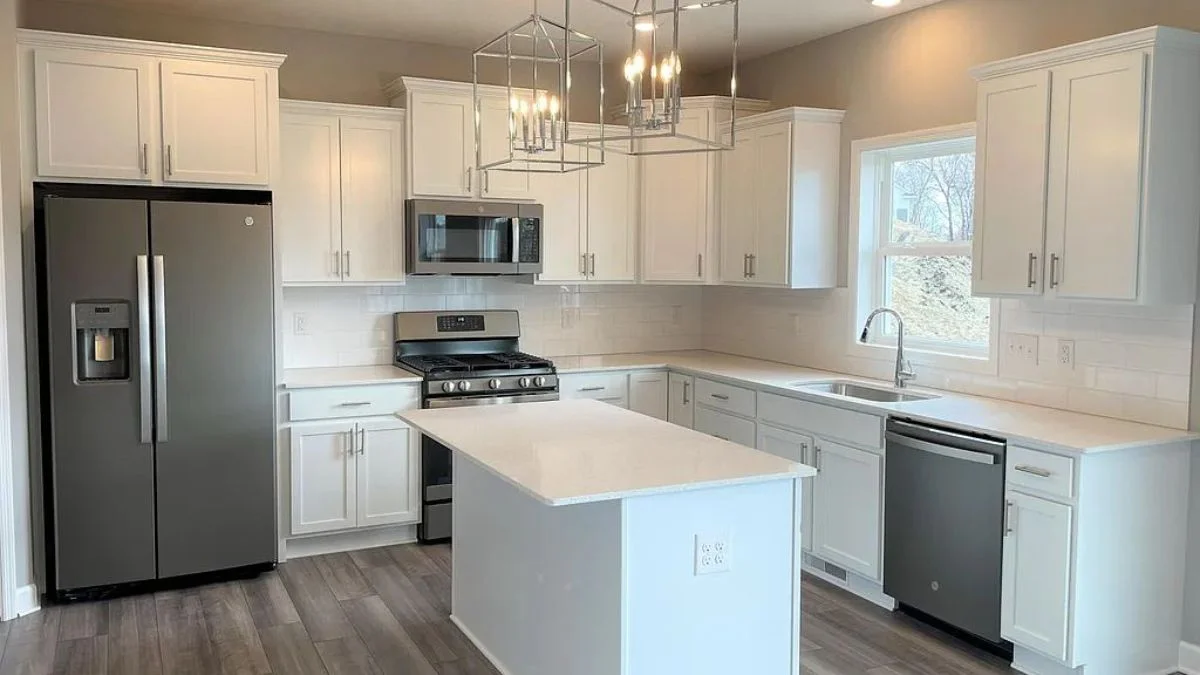
Your island should complement the kitchen design layout with island rather than overcrowd the space. Here are a few important things to consider:
- Size: Keep 36-48 inches of clearance around all sides.
- Shape: Most layouts will benefit from a rectangular island, whereas an open kitchen will be enhanced by the shape of a curve or the L-shaped islands.
- Height: A standard height of 36 inches is good for meal prep and 42 inches for bar seating.
- Function: You may want a cooktop built into the island for cooking, a sink for washing, or a seating area for socializing etc.
Design Tips to Make Your Kitchen Island Stand Out
- Bring In Contrast Color: To make the island cabinet stand out, choose a different color or finish for them.
- Use Statement Lighting: A chandelier or pendant lights can make the island look more elegant.
- Include Built-in Storage: Install drawers, shelves, or even racks for wine bottles underneath.
- Mix Materials: Use a combination of stone countertop and wooden textures for both contrast and warmth.
- Add Seating: Two bar stools can be utilized even in small kitchens to turn your island into a place that is both functional and friendly.
Common Mistakes to Avoid
- Oversized Island: Such a large island can make it hard to move around the room.
- Poor Lighting: Not enough light on the island will take away both the functionality and the beauty of the space.
- Ignoring Workflow: An island should be placed in a way to support the “kitchen work triangle”, the ideal distance between sink, stove, and refrigerator.
- Lack of Outlets: Incorporate outlets that are out of sight but there when you need them for small appliances or charging your phone.
Final Thoughts
When designed properly with the kitchen design layout with island, the island is not only a stylish addition to your space but also brings excellent functionality. It allows cooking, dining, and socializing to happen in one place, making your kitchen the true center of your home.
The island can be customized to match your taste and needs, whether you prefer a modern minimalist look or a warm traditional style. By focusing on balance, smooth workflow, and smart space usage in your kitchen design layout with island, your kitchen can remain beautiful and highly functional for years to come.
FAQs
1. What is the best layout for a kitchen with an island?
The ideal layout is really based on your space. An L-shaped kitchen with an island works great for medium-sized kitchens. For larger spaces, U-shaped or open-concept designs are amazing as they offer more space for walking and seating.
2. How much space do I need for a kitchen island?
There should be at least 36-48 inches (3-4 feet) of space or clearance around all sides of the island. This allows for the movement to be done in a smooth manner, particularly in the case when lots of people are cooking or passing through the kitchen.
3. Can I have an island in a small kitchen?
Sure! Kitchen islands are great solutions even if your kitchen is small. A small or mobile island will work great in smaller kitchens. A narrow island or a peninsula-style design can give you extra area to work without making the space too crowded.
4. What is the ideal size of a kitchen island?
Usually, a kitchen island is around 2 to 3 feet wide and 4 to 6 feet long, however, the size must be in line with the kitchen’s proportions. Bigger kitchens are able to have wider islands with seating, sinks, or storage built in.
5. How can I make my kitchen island more functional?
Put-in drawers or cabinets for keepsakes, power outlets for small appliances, and seating for a casual meal will also make your kitchen island more functional. Additionally, the installation of task or pendant lights on the island can be the perfect solution to combine its utility and attractiveness.





- Be Respectful
- Stay Relevant
- Stay Positive
- True Feedback
- Encourage Discussion
- Avoid Spamming
- No Fake News
- Don't Copy-Paste
- No Personal Attacks
- Be Respectful
- Stay Relevant
- Stay Positive
- True Feedback
- Encourage Discussion
- Avoid Spamming
- No Fake News
- Don't Copy-Paste
- No Personal Attacks
