Dishwasher Leaking Water: Causes, Fixes, and Prevention Tips
Published: 3 Nov 2025
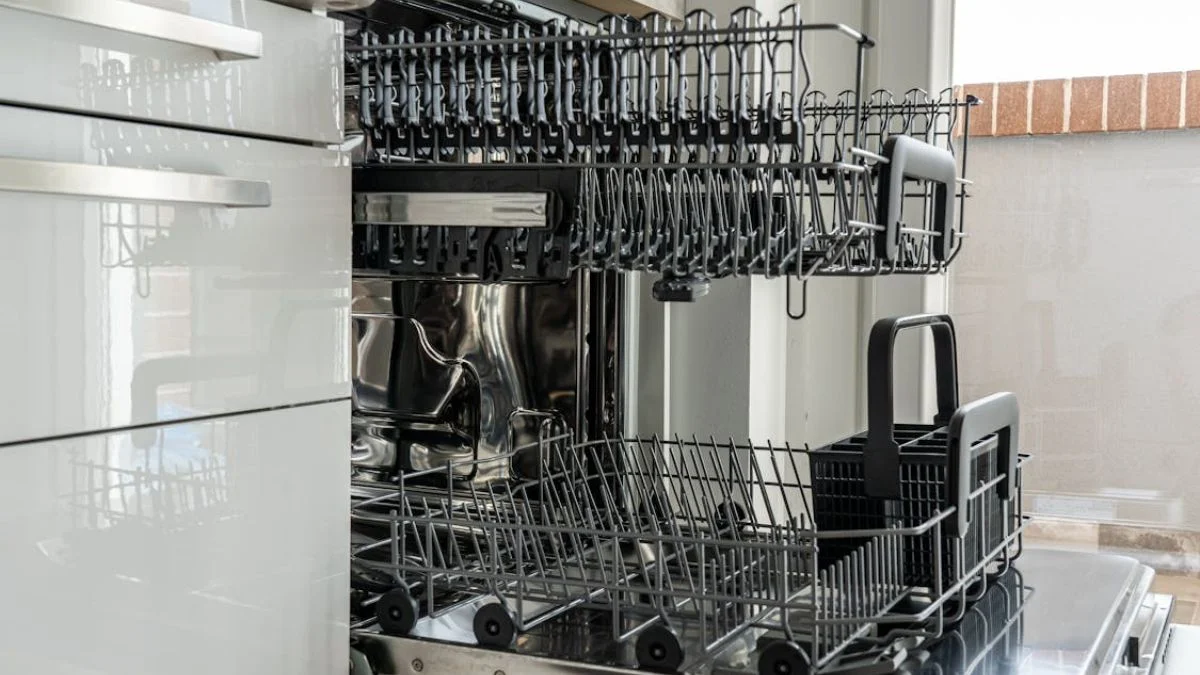
A dishwasher leaking water can quickly turn your kitchen into a mess and lead to costly floor or cabinet damage. Whether you notice a small puddle beneath the door or a major leak from underneath, it’s a sign that something isn’t right. The good news?
Most dishwasher leaks are easy to diagnose and fix with a little knowledge and the right approach.
In this guide, we’ll walk you through the most common reasons your dishwasher is leaking, how to fix each problem, and what steps you can take to prevent it from happening again.
Table of Contents
Understanding Why Your Dishwasher Is Leaking
Before you grab your tools, it’s essential to understand where the dishwasher leaking water is actually coming from. A leak can originate from the door seal, the hose connections, the pump, or even the bottom of the unit and each source requires a completely different fix. Rushing in without identifying the root cause can waste your time and potentially make the problem worse. Take a few minutes to run a short cycle, watch carefully, and trace exactly where the dishwasher leaking water is appearing. Is it pooling under the door? Dripping from the back? Seeping from beneath the unit? Pinpointing the source is the single most important step before any repair begins and it will save you both time and money in the long run.
Common Causes of Dishwasher Leaking Water
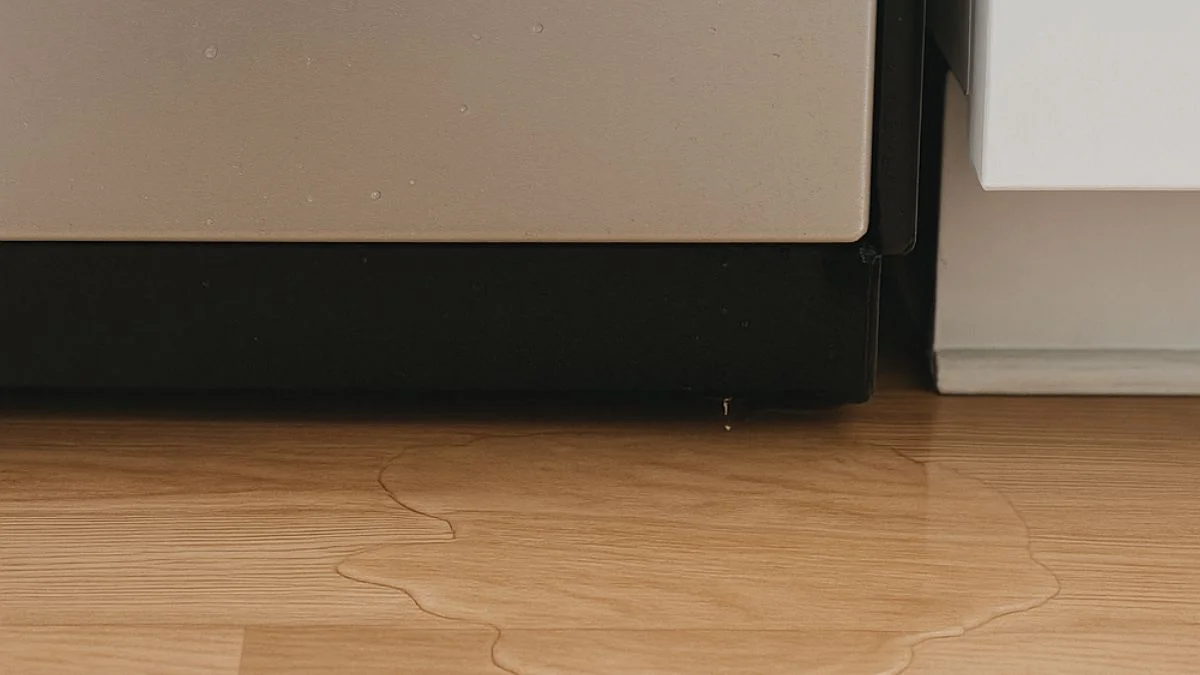
Common Causes of Dishwasher Leaking Water and How to Fix Them Quickly Top Reasons Your Dishwasher Is Leaking Water From the Bottom or Door
1. Damaged or Worn Door Gasket
The door gasket, a rubber seal running around the edge of your dishwasher door, ensures water stays inside during a wash cycle. Over time, it can crack, harden, or collect debris causing water to escape through the door edges.
Fix:
- Inspect the gasket for cracks, mold, or deformation.
- Clean it using warm water and mild detergent.
- If it’s brittle or damaged, replace it with a compatible gasket model.
Tip: Gaskets are affordable and easy to replace; most homeowners can do it themselves in under 15 minutes.
2. Loose or Clogged Drain Hose
The drain hose carries wastewater out of your dishwasher. If it becomes loose or blocked, water can back up and leak from underneath.
Fix:
- Unplug your dishwasher and inspect the drain hose connection.
- Tighten any loose clamps.
- Use a pipe cleaner or a straightened coat hanger to remove clogs carefully.
Tip: Avoid bending or kinking the hose when reinstalling it this can lead to future leaks.
3. Overfilled Dishwasher or Wrong Detergent
Sometimes the problem isn’t mechanical at all. Overfilling your dishwasher or using the wrong kind of detergent (like regular dish soap instead of dishwasher detergent) can cause excessive suds, leading to water leakage from the door.
Fix:
- Use only high-quality dishwasher detergent recommended by the manufacturer.
- Avoid overloading and ensure dishes don’t block the spray arms or detergent dispenser.
- Run a rinse cycle to clear out excess suds if you accidentally used the wrong soap.
4. Faulty Water Inlet Valve
The inlet valve controls how much water flows into your dishwasher. If it’s damaged or stuck open, too much water can enter the tub, leading to leaks from the bottom or side.
Fix:
- Turn off the water supply and remove the bottom panel.
- Inspect the valve for cracks or mineral buildup.
- Replace the inlet valve if it looks worn or continues to leak after cleaning.
5. Cracked Dishwasher Tub
Over time, the dishwasher tub especially in older plastic models can develop cracks due to heat, wear, or chemical exposure. This can cause water to leak directly onto your floor.
Fix:
- Inspect the tub’s interior closely with a flashlight.
- If you see visible cracks, seal them temporarily with waterproof epoxy.
- For long-term solutions, replacing the tub or the dishwasher may be necessary.
6. Loose or Broken Door Latch
If the door latch doesn’t close tightly, the seal won’t compress properly, and water will leak from the top or sides during the wash cycle.
Fix:
- Test the latch by closing the door and it should click firmly.
- Tighten any loose screws or replace the latch mechanism if damaged.
7. Faulty Float Switch
The float switch prevents your dishwasher from overfilling with water. If it malfunctions, it won’t signal the water inlet valve to stop filling, causing overflow and leaks.
Fix:
- Check the float inside the dishwasher (it’s usually near the front corner).
- Ensure it moves freely up and down.
- Clean any debris underneath, and replace the float switch if it doesn’t trigger properly.
How to Fix a Leaking Dishwasher Step-by-Step
Follow these simple steps to identify and fix the leak quickly:
1. Unplug the dishwasher and turn off the water supply.
Safety first never works on an appliance that’s plugged in.
2. Check where the leak originates.
- Front leak: Likely the door gasket or latch.
- Bottom leak: Possibly the hose, pump, or tub.
- Back leak: Likely the drain or inlet hose.
3. Clean all seals and filters.
Remove grease, food debris, or mineral buildup around seals and filters to improve performance.
4. Tighten connections and replace worn parts.
Loose fittings are common culprits; tightening them often stops small leaks immediately.
5. Run a test cycle.
After repairs, run a short cycle with an empty dishwasher to ensure there are no more leaks.
Preventing Future Dishwasher Leaks
Preventing a leak is always better than dealing with one. Here’s how to keep your dishwasher in top shape:
1. Clean Filters Regularly
Food debris can block drains, causing water buildup. Clean your filters every week for optimal drainage.
2. Inspect Seals and Gaskets
Check your gasket and door seals monthly. Clean them with vinegar and water to prevent mold and hardening.
3. Avoid Overloading
Overfilled racks prevent proper water circulation, increasing pressure on the door seal. Load dishes properly and avoid stacking.
4. Use the Right Detergent
Only use detergents made specifically for dishwashers. Never use hand soap or laundry detergent.
5. Schedule Routine Maintenance
If your dishwasher is older than five years, a professional inspection once a year can prevent costly issues.
When to Call a Professional
If you’ve tried all the fixes above and your dishwasher is still leaking water, it may be time to contact a technician. Persistent leaks could indicate:
- Internal cracks in the tub.
- Pump or motor seal failures.
- Electrical malfunctions causing water overflow.
Professional repair ensures your appliance is properly serviced and prevents water damage to your kitchen.
Final Thoughts
A dishwasher leaking water isn’t just an inconvenience, it’s a warning sign that something inside your appliance needs immediate attention. Ignoring even a small leak can lead to warped flooring, damaged cabinets, mold growth, and costly structural repairs down the line. Thankfully, most cases of a dishwasher leaking water stem from surprisingly minor issues like loose hose connections, worn door gaskets, a cracked spray arm, or simply using the wrong type of detergent. None of these problems require a professional plumber to fix, with the right knowledge and a little patience, most homeowners can resolve them quickly and confidently on their own.
Remember, quick action is everything. By understanding the root causes and taking a few simple preventive steps, like regularly inspecting your door seal, cleaning your filter, and always using the correct detergent amount, you can keep your dishwasher running efficiently and leak-free for years to come. The moment you spot a dishwasher leaking water, don’t wait and hope it resolves itself. Address it promptly, identify the source, apply the right fix, and your appliance will reward you with years of reliable, trouble-free performance.
FAQs
1. What makes my dishwasher leak at the bottom?
Leaks from the bottom often point to a damaged hose, loose clamp, or faulty water inlet valve. Inspect these parts first.
2. Can I still use my dishwasher if it’s leaking?
It’s not recommended to run a dishwasher leaking water as it can seriously damage your flooring and electrical components. Fix the issue before using it again.
3. How much does it cost to repair a leaking dishwasher?
Minor repairs (like replacing a gasket) cost between $20–$50, while major repairs (like a broken inlet valve) can range from $150–$300.
4. Is it normal for a little water to stay at the bottom after a cycle?
Yes, a small amount of water near the drain is normal to prevent drying out the seals. But if there’s pooling, the drain may be blocked.
5. How often should I clean my dishwasher filter?
Clean it at least once a week if you use your dishwasher daily, or every two weeks for occasional use.




- Be Respectful
- Stay Relevant
- Stay Positive
- True Feedback
- Encourage Discussion
- Avoid Spamming
- No Fake News
- Don't Copy-Paste
- No Personal Attacks
- Be Respectful
- Stay Relevant
- Stay Positive
- True Feedback
- Encourage Discussion
- Avoid Spamming
- No Fake News
- Don't Copy-Paste
- No Personal Attacks
