Entryway Storage Ideas That Actually Keep Your Home Organized
Published: 10 Aug 2026
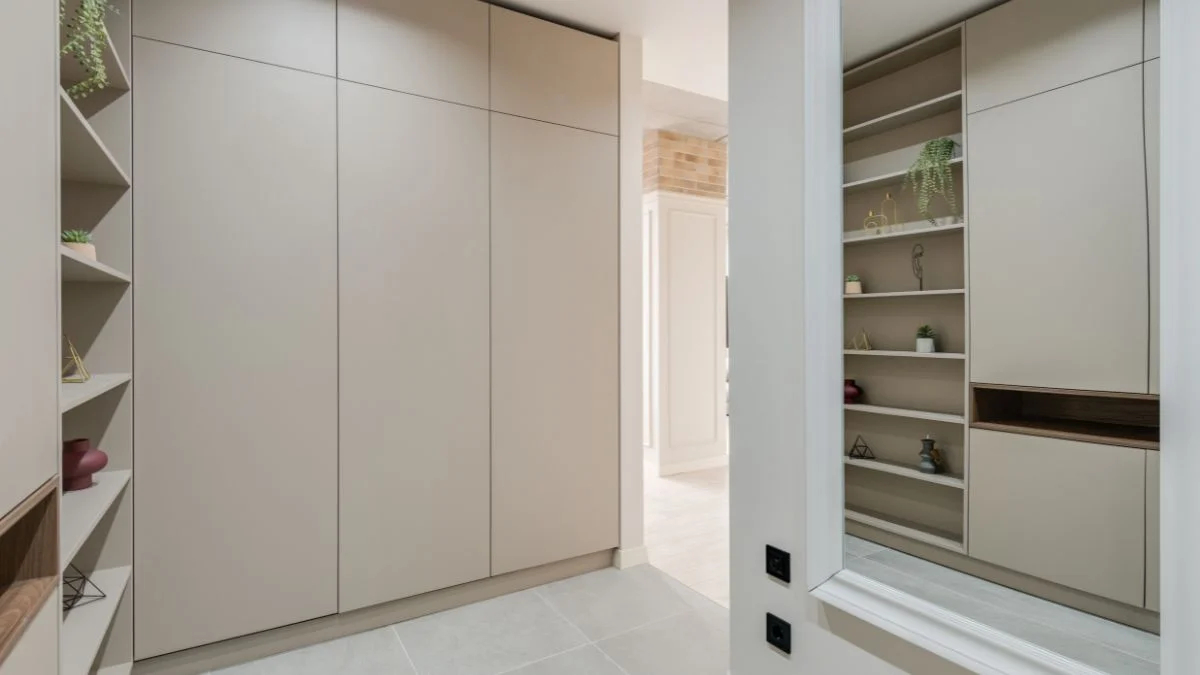
Walk into most American homes and the entryway tells you everything about the day ahead: shoes kicked off in a pile, mail stacked on any flat surface, a jacket draped over a chair because the closet is “too far.” If that sounds familiar, you’re not alone, and you’re definitely not out of options. The right entryway storage ideas can turn that chaotic first impression into a calm, functional space that actually works for your family’s routine.
This guide walks through practical, real-world entryway storage solutions from compact apartment fixes to full mudroom-style systems so you can pick what fits your space, budget, and lifestyle.
Table of Contents
Why Entryway Organization Matters More Than You Think
The entryway is the busiest transition zone in your home. According to the National Association of Home Builders, mudrooms and organized entry spaces consistently rank among the most requested features in new home construction, because homeowners recognize how much daily friction a cluttered entry creates.
A well-planned entryway does three things:
- Gives every item shoes, keys, bags, mail a designated home
- Reduces the “what did I do with my keys” panic before you leave
- Creates a welcoming first impression for guests
A good entryway organization isn’t about buying more furniture. It’s about matching storage to how your household actually moves through the door. Pairing smart storage with the right entryway decor ideas can make the space feel both functional and welcoming at the same time.
Start With an Honest Assessment of Your Space
Before shopping for an entryway organizer or bench, take five minutes to observe your entry over a normal week. Ask yourself:
- What items pile up here most often?
- How many people use this entry daily?
- Is this a walk-through zone or a place people pause?
This small step prevents the most common mistake: buying furniture that looks good but doesn’t solve your actual clutter pattern. The best entryway storage ideas always start with this kind of honest observation, not with a shopping list.
Entryway Bench With Storage: The Classic Solution
An entryway bench with storage is one of the most versatile pieces you can add, and it earns its keep in almost any layout. It gives you a place to sit while putting on shoes, and the storage underneath whether it’s a lift-top bench, cubbies, or baskets handles shoes, bags, or seasonal gear.
Tips for choosing one:
- Measure your space first; a bench that’s too deep will block foot traffic
- Look for benches with a mix of open cubbies and closed storage, so you can hide clutter but still grab shoes quickly
- In smaller entries, a slim 12–14 inch deep bench works better than a bulky 20-inch one
If a full bench doesn’t fit, even a small stool with a fabric bin underneath achieves a similar effect. Among entryway storage ideas, a bench remains one of the highest-value picks because it solves seating and storage in one piece.
Shoe Storage for the Entryway: Solving the Number One Clutter Culprit
Shoes are almost always the biggest source of entryway mess, especially in households with kids or multiple pairs per person. A few reliable shoe storage entryway options include:
- Slim shoe cabinets these fit against narrow walls and hold far more pairs than their footprint suggests
- Over-the-door shoe organizers ideal for renters or tiny apartments where floor space is limited
- Boot trays simple, inexpensive, and essential during rainy or snowy months to protect flooring
- Vertical shoe racks stack pairs efficiently in tight corners
If your household tends to leave shoes right at the door out of habit, don’t fight it. Place the shoe storage exactly where people naturally kick their shoes off, not where it looks best in photos. Function beats form here and that’s a principle worth applying to every entryway storage idea on this list.
Wall-Mounted Storage: The Best Friend of Small Entryways
When floor space is tight, wall-mounted storage entryway solutions are the most efficient path forward. They keep the floor clear, which makes even a small foyer feel more open.
Consider:
- Hooks and coat racks a row of hooks at varying heights works for both adults and kids, and costs very little
- Floating shelves great for keys, sunglasses, or a small decorative tray
- Wall-mounted mail organizers stops paper clutter from spreading to the kitchen counter
- Pegboards flexible and easy to rearrange as your storage needs change
A general rule from interior organizers: hooks should sit low enough for children to use independently. This small adjustment often cuts down on “mom, where’s my backpack” moments significantly. Wall-mounted entryway storage ideas like these are especially useful in rentals, since most options require no drilling.
Building a Command Center Near the Door
A command center is essentially a mini control hub usually a combination of a small shelf, a mail sorter, hooks, and a calendar or notepad. It’s especially useful for families juggling school schedules, bills, and daily reminders.
A simple command center can include:
- A wall-mounted mail sorter with labeled slots for each family member
- A small whiteboard or chalkboard for reminders
- A key hook directly above or beside it
- A charging station for phones, if there’s an outlet nearby
You don’t need a dedicated wall for this. Even a narrow strip beside a doorframe can hold a mail sorter and a couple of hooks. This is one of the simplest entryway storage ideas to set up, and it pays off almost immediately in reduced daily clutter.
Mudroom Storage Ideas for Homes With a Dedicated Space
If you’re fortunate enough to have a true mudroom, you have more flexibility to build a full system. Mudroom storage ideas that hold up well over time include:
- Built-in lockers or cubbies one per family member, ideal for coats, bags, and shoes together
- Bench-with-cubby combos seating on top, individual storage below
- Open shelving above the bench for baskets holding hats, gloves, or sports gear
- Durable, washable flooring while not storage itself, it protects the space from the wear that heavy foot traffic and wet shoes cause
The U.S. Environmental Protection Agency notes that entryways and mudrooms are a primary point where outdoor contaminants like dirt, pollen, and residue enter the home, which is one more practical reason to keep this zone organized with washable trays and durable surfaces rather than absorbent rugs alone. Mudroom-specific entryway storage ideas tend to work best when they’re built for cleaning ease, not just capacity.
Small Entryway Storage Ideas for Apartments and Narrow Hallways
Not everyone has a dedicated entry area many apartments open directly into a hallway or living room. Small entryway storage doesn’t require a big footprint; it requires smart use of vertical space and multi-purpose furniture. For more layout-specific inspiration, check out these small entryway decor ideas designed for compact spaces.
Small entryway storage ideas that work well in tight layouts:
- A slim console table with drawers, positioned against the nearest wall
- A tall, narrow shoe cabinet that hugs a corner
- Over-the-door hooks for coats and bags
- A single decorative basket for miscellaneous items like scarves or umbrellas
- Fold-down wall hooks that tuck flat when not in use
In studio apartments, a foyer storage bench can double as extra seating for guests, which makes the piece earn its space twice over. If space is tight throughout your home, these small apartment storage ideas offer more solutions beyond just the entryway.
Baskets, Bins, and Trays: The Underrated Organizers
Sometimes the simplest entryway storage solutions aren’t furniture at all they’re containers. A labeled basket for outgoing mail, a tray for keys and sunglasses, or a bin for umbrellas can eliminate a surprising amount of daily clutter.
These budget-friendly entryway storage ideas work well because you can choose materials based on how they’ll be used:
- Woven baskets for soft items like scarves or hats
- Rubber or plastic trays for wet shoes and umbrellas
- Fabric bins for lightweight items that need to stay dust-free
These small additions cost far less than furniture and can be swapped easily if your storage needs change proof that not every entryway storage idea requires a big budget.
Seasonal Rotation Keeps Entryway Storage From Overflowing
One habit that separates a permanently tidy entryway from a cluttered one: seasonal rotation. Bulky winter coats and boots don’t need to live in the entryway year-round.
Rotating storage is one of the most overlooked entryway storage ideas, and it’s easy to build into a routine:
- Store off-season gear in a closet, under-bed bins, or attic storage
- Keep only the current season’s essentials in the entryway
- Do a quick swap twice a year once in early fall, once in late spring
This alone can free up 30–40% of entryway storage space without buying a single new organizer.
Choosing Materials That Hold Up to Daily Use
Entryways deal with more wear than almost any other room wet shoes, dropped bags, constant hand contact. When choosing entryway storage furniture, prioritize durability over trend:
- Solid wood or engineered wood with a sealed finish resists scuffing better than untreated surfaces
- Metal hooks and hardware outlast plastic versions
- Removable, washable liners in bins and trays make cleanup far easier a small detail that makes long-lasting entryway storage ideas easier to maintain
Spending slightly more upfront on durable materials usually saves money over time, since flimsy organizers tend to need replacing within a year or two. This same budget-conscious approach applies well beyond the entryway these small bathroom decor ideas on a budget follow a similar cost-effective philosophy.
Conclusion
The best entryway storage ideas isn’t the most expensive or the most Pinterest-worthy it’s the one your household will actually use consistently. Start with the basics: a spot for shoes, a spot for coats, and a spot for keys and mail. Then build outward with a bench, wall-mounted storage, or a command center as your space and budget allow.
Small, consistent habits paired with the right storage pieces will do more for a clutter-free entry than any single statement furniture piece ever could. And once your entryway is sorted, the same organizing mindset carries nicely into other high-traffic areas take a look at these small kitchen decor ideas for your next project.
FAQs
1. What is the best storage solution for a small entryway?
Wall-mounted storage is generally the most efficient choice for small entryways since it keeps the floor clear. A combination of hooks, a slim shoe cabinet, and a small shelf usually covers most needs without crowding the space.
2. How do I stop shoes from piling up at the front door?
Place a dedicated shoe tray, cabinet, or rack exactly where people naturally remove their shoes. Fighting that habit rarely works, designing storage around it does.
3. What should go in an entryway command center?
A functional command center typically includes a mail sorter, a key hook, a small notepad or whiteboard, and hooks for bags or coats. Add a charging station if an outlet is nearby.
4. Do I need a mudroom to have good entryway storage?
No. Many of the most effective entryway storage ideas hooks, baskets, slim benches, wall-mounted organizers work just as well in a hallway or apartment entry as they do in a dedicated mudroom.
5. How often should I rotate entryway storage items?
Twice a year works well for most households once in early fall to bring in cold-weather gear, and once in late spring to swap it out for lighter items.
6. What size should an entryway bench be for a small space?
Look for benches around 12–14 inches deep for tight entryways. Anything deeper than 20 inches can block foot traffic in narrow spaces.
7. Are baskets and bins really effective for entryway organization?
Yes. Labeled baskets and trays are often more practical than furniture for small, specific categories like mail, keys, or wet umbrellas, and they’re easy to replace or resize as needs change.
8. How do I keep entryway storage from looking cluttered even when it’s organized?
Stick to a limited color palette for bins and baskets, keep frequently used items at eye level or below, and store anything used less than weekly out of sight in closed storage.





- Be Respectful
- Stay Relevant
- Stay Positive
- True Feedback
- Encourage Discussion
- Avoid Spamming
- No Fake News
- Don't Copy-Paste
- No Personal Attacks
- Be Respectful
- Stay Relevant
- Stay Positive
- True Feedback
- Encourage Discussion
- Avoid Spamming
- No Fake News
- Don't Copy-Paste
- No Personal Attacks
