Best Pots for Indoor Plants: A Practical Guide to Choosing Right
Published: 15 Jun 2026
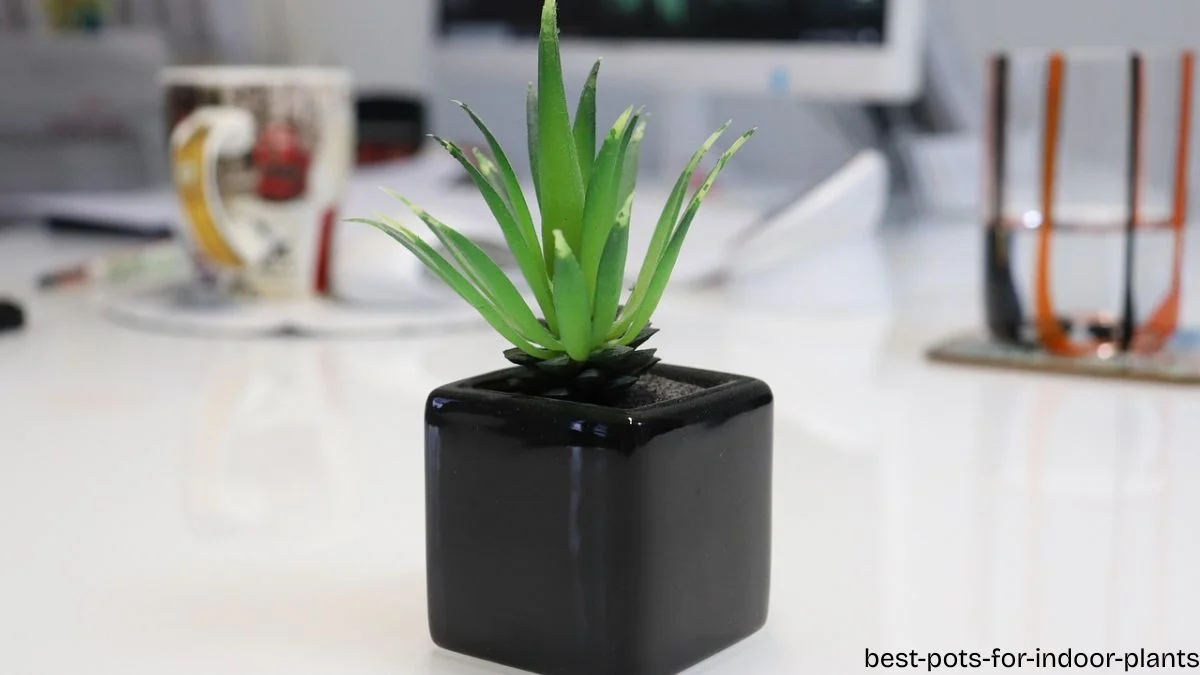
If you’ve ever watched a healthy plant slowly decline for no obvious reason, the culprit might surprise you it’s often the pot. The wrong container can waterlog roots, suffocate them, or dry them out too fast. With so many options on the market, choosing the best pots for indoor plants feels more complicated than it should be.
This guide cuts through the noise. Whether you’re a first-time plant parent or rearranging a living room jungle, you’ll walk away knowing exactly what to look for and what to avoid.
Table of Contents
Why the Right Pot Matters More Than You Think
Most people treat the pot as decoration first, function second. It’s understandable a beautiful planter does make a space feel more alive. But when it comes to the best pots for indoor plants, the container your plant lives in directly affects drainage, root health, moisture retention, and even how often you need to water.
According to the Royal Horticultural Society, overwatering, often made worse by pots without drainage holes, is one of the most common causes of houseplant death. The pot doesn’t just hold soil. It shapes the entire growing environment.
So before you fall in love with a glazed ceramic vessel at a home goods store, let’s talk about what actually matters.
Key Factors to Consider When Choosing Plant Pots
1. Drainage Holes Are Non-Negotiable
This is the single most important feature in any indoor plant pot. Without drainage holes, excess water sits at the bottom of the pot, creating anaerobic (oxygen-deprived) conditions that rot roots.
Some decorative pots don’t have holes that’s fine as a cachepot (an outer cover pot), but your plant should always sit in an inner nursery pot with drainage. If you do use a solid decorative pot on its own, you’d need to be extremely precise with watering. Most people aren’t, and plants pay the price.
2. Pot Material Changes Everything
The material your pot is made from affects how quickly the soil dries out, how heavy the container is, and how it interacts with your home environment. Here’s a practical breakdown:
Terracotta (unglazed clay): The gold standard for many houseplants, especially succulents, cacti, and Mediterranean herbs. Terracotta is porous, meaning air and water move through the walls. This helps prevent overwatering and keeps roots healthy. The downside? It dries out quickly, so moisture-loving plants may struggle. Terracotta is also heavy and can crack in freezing conditions (not usually a concern indoors).
Glazed ceramic: Retains moisture longer than terracotta because the glaze seals the surface. Great for tropical plants like peace lilies or pothos that prefer consistently moist soil. These pots are heavier and often more expensive, but they’re beautiful and durable. Just make sure they have drainage holes.
Plastic pots: Lightweight, affordable, and moisture-retentive. Plastic is ideal for beginner plant parents and for plants that like consistent humidity. The tradeoff is longevity plastic can crack over time and doesn’t breathe at all. That said, many houseplants genuinely thrive in plastic nursery pots, so don’t dismiss them for practical use.
Fabric grow bags: Increasingly popular among indoor gardeners. Fabric pots allow air pruning of roots, which encourages healthier, more branched root systems rather than roots circling the pot (a common problem in hard containers). They’re also foldable, lightweight, and affordable. Best for larger plants or grow-light setups.
Self-watering pots: These have a built-in reservoir that wicks water up to the roots as needed. They’re excellent for busy people or for plants that prefer even moisture, like African violets and ferns. Not ideal for drought-tolerant plants like succulents.
Concrete and stone: Extremely heavy but visually striking. These pots are durable and slightly porous (similar to terracotta). They work well for large, statement plants that won’t need to be moved often.
3. Pot Size Relative to the Plant
Bigger isn’t always better in fact, over-potting is a common mistake. When a plant sits in a pot that’s too large, excess soil holds too much moisture around the roots, which increases the risk of root rot.
As a general rule, choose a pot that’s only 1–2 inches larger in diameter than the plant’s current root ball. When you repot (usually every 1–2 years as the plant grows), move up one pot size at a time.
Signs a plant needs a bigger pot: roots growing out of drainage holes, roots visibly circling the bottom of the pot, soil drying out unusually fast, or the plant becoming noticeably top-heavy.
4. Weight and Placement
If you’re placing a pot on a shelf, hanging it, or need to move it regularly (to follow sunlight, for example), weight matters. Terracotta and ceramic pots become surprisingly heavy when filled with moist soil. For high shelves or plant hangers, plastic, fabric, or lightweight resin pots are smarter choices.
For floor plants or statement pieces that stay put, heavier ceramic or concrete pots add stability and grounding to a space.
Best Pot Types by Plant Category
Succulents and Cacti
These plants evolved in dry conditions and need fast-draining soil and pots that dry out quickly. Terracotta pots are the best choice here, hands down. Their porous walls wick away excess moisture. Shallow, wide pots also work better for cacti with shallow root systems.
Avoid glazed ceramic or plastic for succulents moisture retention becomes a liability.
Tropical Houseplants (Pothos, Monstera, Peace Lily)
Tropicals appreciate consistent moisture but also need good drainage. Glazed ceramic or plastic pots with drainage holes work well. These plants often do just fine in their original nursery plastic pots with a decorative cachepot slipped over them.
For large tropicals like Monsteras or Bird of Paradise, a fabric grow bag can support healthy root development as the plant matures.
Ferns and Moisture-Loving Plants
Ferns want their roots to stay slightly damp without sitting in water. Self-watering pots shine here. They maintain consistent moisture levels without requiring you to check the soil daily. Glazed ceramics also work well.
Herbs
Most culinary herbs basil, parsley, rosemary, thyme do well in terracotta or ceramic pots with good drainage. Rosemary and thyme, being Mediterranean, prefer drier conditions and benefit from terracotta specifically. Basil prefers more moisture, so a glazed pot or plastic works better for it.
| Material | Drainage | Weight | Moisture Retention | Best For |
| Terracotta | Excellent | Heavy | Low | Succulents, cacti, herbs |
| Glazed Ceramic | Good (with holes) | Heavy | Medium-High | Tropicals, ferns |
| Plastic | Good (with holes) | Light | High | Most houseplants |
| Fabric Grow Bag | Excellent | Very Light | Low | Large plants, grow setups |
| Self-Watering | Built-in | Medium | Consistent | Ferns, moisture-lovers |
| Concrete/Stone | Good (if drilled) | Very Heavy | Low-Medium | Statement plants |
Common Pot Mistakes to Avoid
Using a pot without drainage holes as a primary pot. You already know this one but it’s worth repeating because beautifully designed pots often come without holes. Always use a nursery pot inside, or drill a hole yourself with a masonry bit if the material allows it.
Repotting too often or into pots that are too large. Plants don’t need annual repotting. Most do fine being slightly root-bound. Report only when the plant clearly outgrows its container.
Ignoring saucers. Saucers catch water that drains through but if water sits in the saucer for more than an hour or two, roots can reabsorb it and become waterlogged. Empty saucers after watering.
Choosing pots based purely on aesthetics. There’s nothing wrong with wanting a beautiful pot just don’t sacrifice function for form. A terracotta pot with a drainage hole will serve your plant better than a stunning sealed ceramic bowl, no matter how good it looks on Instagram.
Decorative Pots vs. Functional Pots: Finding the Balance
You don’t have to choose between beauty and function. The cachepot system where you grow your plant in a functional nursery pot inside a decorative outer pot gives you the best of both worlds.
The inner pot handles drainage, breathability, and root health. The outer pot handles aesthetics. When you water, you can either take the inner pot to the sink or simply remove the outer pot temporarily to let excess water drain freely.
Many interior designers and plant stylists use this exact approach. It also makes repotting easier since you’re only handling the inner pot.
A Note on Sustainability
As houseplant culture grows, so does plastic waste from nursery pots. If sustainability matters to you, terracotta and ceramic pots last decades and are made from natural materials. Fabric grow bags are reusable and often made from recycled materials. Some brands now offer biodegradable pots made from coconut coir, rice husks, or compressed peat worth exploring if you report frequently.
FAQs
1. What is the best pot material for indoor plants?
The best pot material depends on your plant’s needs. Terracotta offers better airflow, while plastic retains moisture longer.
2. Do indoor plant pots need drainage holes?
Yes, drainage holes help prevent overwatering and root rot.
3. How do I know when to report my plant?
Repot when roots outgrow the container, grow through drainage holes, or the soil dries out very quickly.
4. Can a pot be too big for a plant?
Repot when roots outgrow the container, grow through drainage holes, or the soil dries out very quickly.
5. Terracotta vs. plastic pots: which is better?
Terracotta pots allow more airflow and help soil dry faster, while plastic pots retain moisture longer and are lighter to move.
6. Are self-watering pots suitable for all plants?
No. Self-watering pots work well for moisture-loving plants, but they may not be ideal for plants that prefer dry soil conditions.
7. What is a cachepot?
A cachepot is a decorative outer container that holds a plant pot inside it. It typically does not have drainage holes.
8. Does watering frequency change based on pot type?
Yes. Plants in terracotta pots usually need water more often because the material is porous, while plastic and glazed pots retain moisture longer.
9. Can fabric grow bags be used indoors?
Yes, fabric grow bags can be used indoors if placed on a tray or saucer to catch excess water and protect surfaces. In many cases,
10. Can I drill drainage holes in a pot that doesn’t have them?
yes. With the proper drill bit and technique, drainage holes can be added to plastic, ceramic, or other suitable containers.
Final Thoughts
The best pot for an indoor plant isn’t necessarily the prettiest one or the most expensive one, it’s the one that matches the plant’s needs. Understand your plant’s water requirements, choose a material that supports those needs, ensure there’s proper drainage, and size the pot appropriately. Everything else is secondary.
Once you shift your thinking from “what looks good” to “what will help this plant thrive,” you’ll start seeing real improvements in your plants’ health. And as any seasoned plant person will tell you a thriving plant is always the most beautiful one in the room.


- Be Respectful
- Stay Relevant
- Stay Positive
- True Feedback
- Encourage Discussion
- Avoid Spamming
- No Fake News
- Don't Copy-Paste
- No Personal Attacks
- Be Respectful
- Stay Relevant
- Stay Positive
- True Feedback
- Encourage Discussion
- Avoid Spamming
- No Fake News
- Don't Copy-Paste
- No Personal Attacks
