21 Best Indoor Plants That Thrive in Artificial Light for Brighter Spaces
Published: 25 Jan 2026
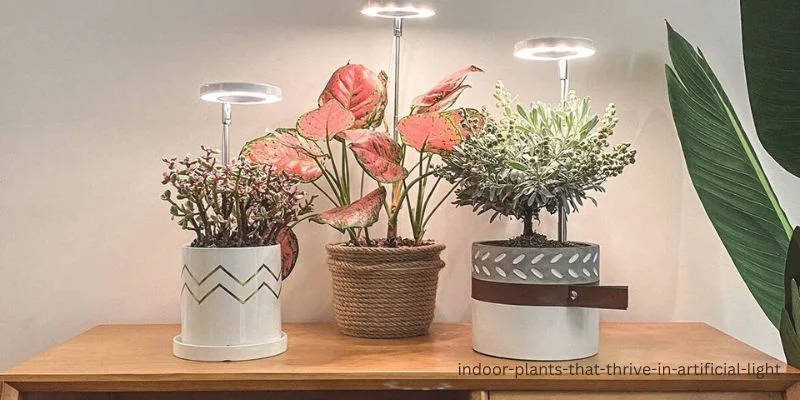
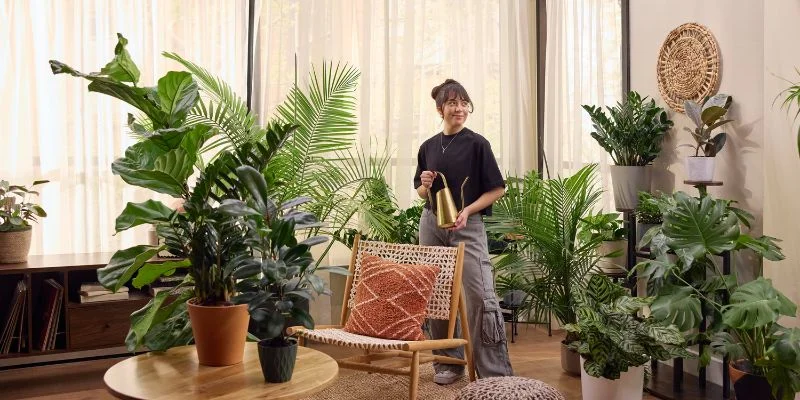
If you want greenery in spaces with limited or no sunlight, it helps to know which Indoor Plants That Thrive in Artificial Light will flourish under fluorescent bulbs, LED lamps, or grow lights. Whether you’re decorating a hallway, office, or interior room without windows, choosing plants that can withstand low light and artificial lighting will dramatically elevate your space. With proper care and the right plant species, you can enjoy lush greenery without relying on direct sunlight.
In this comprehensive guide, we’ll explore top‑performing species that adapt to less natural light, including care tips, placement recommendations, and lighting types that support growth.
Table of Contents
Why Choose Indoor Plants That Thrive in Artificial Light?
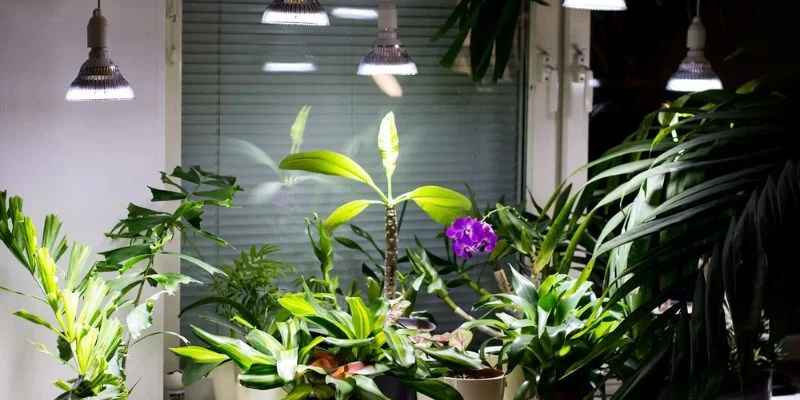
Creating a thriving indoor garden doesn’t have to depend on a sunny window. Choosing Indoor Plants That Thrive in Artificial Light offers several benefits:
- Versatility for any room: Places with minimal sun become usable living spaces with vibrant greenery.
- Improved air quality: Many artificial light tolerant plants help filter pollutants.
- Low maintenance: Most plants that grow under artificial light require less frequent watering and care.
- Decor flexibility: Add texture, height, and color to spaces without worrying about direct sunlight.
Whether you want a tropical feel in a windowless bathroom or a desk plant for your office under fluorescent bulbs, indoor gardeners increasingly choose plants that adapt to artificial lighting conditions.
What Kind of Artificial Light Is Best for Plants?
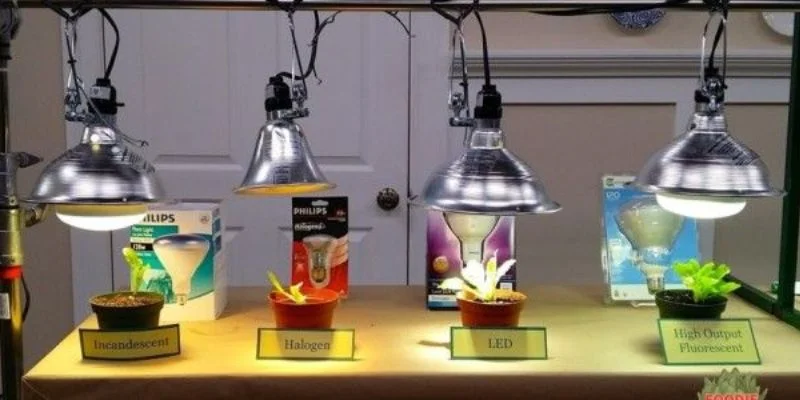
Before we look at specific plants, it’s important to understand the best light sources:
1. Fluorescent Lights
Common in offices and kitchens, fluorescent lights emit a cool, balanced spectrum that supports plants like ferns and ivy.
2. LED Grow Lights
Energy‑efficient and customizable, LED grow lights are especially effective for plants that need specific wavelengths for photosynthesis.
3. Standard LED or Incandescent Lamps
While not ideal for heavy feeders, many hardy species still grow well under standard bulbs, especially if placed close to the light source.
Choosing the right bulb and positioning it correctly are key for Indoor Plants That Thrive in Artificial Light.
Top Indoor Plants That Thrive in Artificial Light
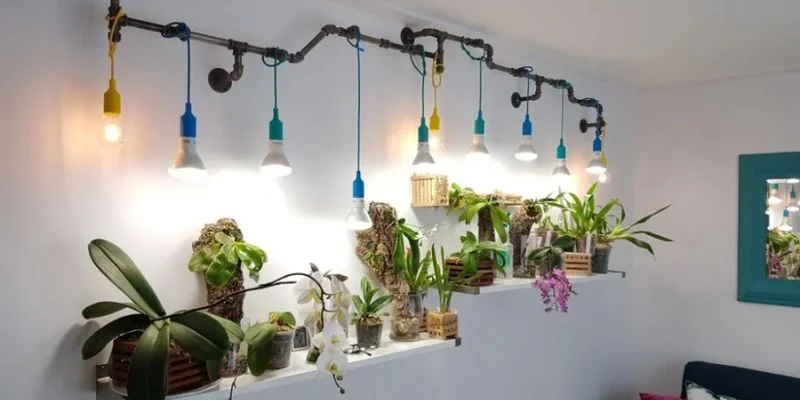
Here are some of the best species that adapt beautifully under low light or artificial lighting conditions:
1. Snake Plant (Sansevieria)
A classic for beginners, snake plants tolerate fluorescent light and infrequent watering, making them perfect for offices or family rooms.
2. ZZ Plant (Zamioculcas zamiifolia)
Known for rugged resilience, the ZZ Plant is a superb choice among Indoor Plants That Thrive in Artificial Light. It tolerates dim spaces and still grows steadily.
3. Pothos (Epipremnum aureum)
A fast‑growing vine that can cascade from shelves or hangers. Pothos is forgiving and very adaptable to artificial lighting.
4. Spider Plant (Chlorophytum comosum)
With arching leaves and baby plantlets, spider plants do well under fluorescent lights and add dynamic movement to your décor.
5. Peace Lily (Spathiphyllum)
Peace lilies bring white blooms even in low lighting and are leading contenders in the category of Indoor Plants That Thrive in Artificial Light.
6. Chinese Evergreen (Aglaonema)
This variety Includes Striking leaf patterns, and colors doing well in shaded rooms lit by LED or fluorescent bulbs.
7. Cast Iron Plant (Aspidistra elatior)
True to its name, the Cast Iron Plant withstands neglect and low lighting, perfect for hallways and darker rooms.
8. Philodendron
With many varieties available, philodendrons grow beautifully under artificial lighting, tolerating less intensity than a typical sun‑loving plant.
9. Ferns (Boston, Maidenhair)
Many ferns prefer indirect or artificial light, especially when humidity is high.
10. Rubber Plant (Ficus elastica)
Rubber plants can adapt to indoor artificial lighting if placed near bright indoor light sources.
11. Dracaena
Known for striking foliage, many Dracaena species do well in office lighting and less sunny conditions.
12. English Ivy (Hedera helix)
A classic climber, English ivy thrives even with moderate artificial lighting.
13. Parlor Palm (Chamaedorea elegans)
Parlor palms are elegant indoor plants that grow well under artificial lighting and low-light conditions. Their soft green leaves add a tropical touch to bedrooms, offices, and small apartments.
14. Lucky Bamboo
Lucky bamboo is one of the easiest Indoor Plants That Thrive in Artificial Light. It grows well in water and survives comfortably under fluorescent or LED lighting.
15. Prayer Plant (Maranta leuconeura)
Known for its patterned leaves, the prayer plant adapts nicely to indirect and artificial light. It also adds color and texture to indoor spaces.
16. Heartleaf Philodendron
This trailing plant is ideal for shelves and hanging baskets. It tolerates artificial light extremely well and requires minimal maintenance.
17. Dieffenbachia
Dieffenbachia features large decorative leaves that brighten indoor rooms. It grows steadily under artificial light when watered properly.
18. Peperomia
Peperomia plants are compact, stylish, and perfect for desks or countertops. Many varieties thrive under LED lights and low natural sunlight.
19. Nerve Plant (Fittonia)
Nerve plants are loved for their colorful leaf veins. They prefer indirect or artificial lighting and grow best in humid indoor environments.
20. Calathea
Calatheas are popular for their striking foliage patterns. They tolerate low light well and look stunning in living rooms or offices with artificial lighting.
21. Jade Plant
Jade plants can adapt to artificial lighting if placed near bright LED lights. Their thick leaves make them easy to care for and attractive in modern interiors.
How to Care for Indoor Plants Under Artificial Light
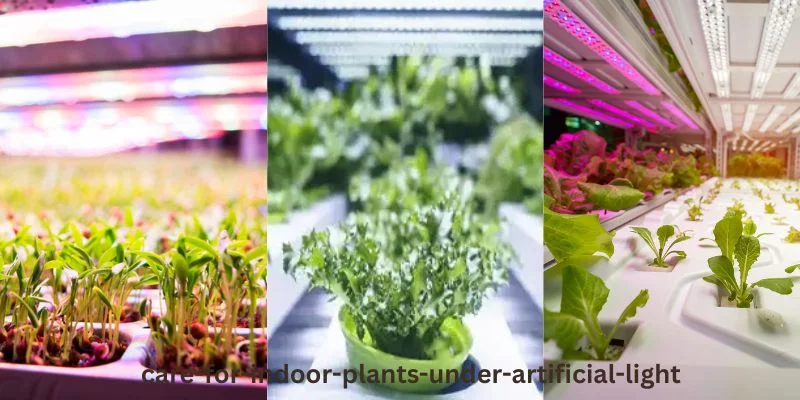
Even the best Indoor Plants That Thrive in Artificial Light perform better with good care. Here are key tips:
Correct Light Duration
Plants need a consistent light schedule typically 10‑14 hours per day under artificial lights.
Proper Distance From Light
Place plants within 12‑18 inches of light sources for optimal photosynthesis.
Watering Schedules
Artificial light can dry soil differently than sunlight. Check moisture regularly to avoid over‑ or under‑watering.
Fertilizer Tips
Feed plants with a balanced houseplant fertilizer during the growing season to support growth under artificial conditions.
Rotate Plants
Turn your plants every week so all sides get equal light and grow evenly.
Poor lighting can cause leggy growth, pale foliage, or slower development but proper artificial lighting can mitigate these issues for indoor plants That Thrive in Artificial Light.
Best Rooms for Artificial Light Plants
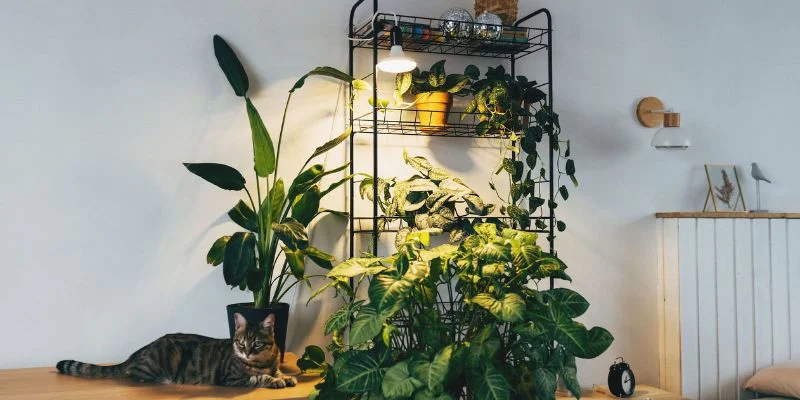
Here are ideal spots around your home for these adaptable greens:
- Office desks under LED lamps
- Bathrooms with LED lighting
- Hallways with overhead bulbs
- Bedrooms with bedside lamps
- Closets with installed LED strips
These locations often lack direct sunlight yet are ideal for resilient specimens.
Common Mistakes With Indoor Plants and Artificial Light
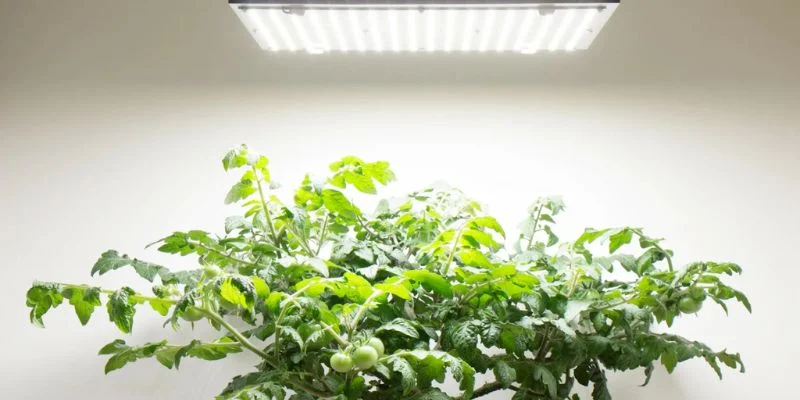
Avoid these pitfalls:
- Using bulbs that emit heat instead of light
- Putting plants too far from the light source
- Neglecting humidity needs
- Overwatering because soil stays dry longer
Correcting these mistakes ensures your Indoor Plants That Thrive in Artificial Light look lush and healthy.
FAQ
Q1: Do all indoor plants survive under artificial light?
Not all, but many species labeled as Indoor Plants That Thrive in Artificial Light have adapted to lower light levels and will grow healthily.
Q2: How long should artificial lights be on for my plants?
Aim for 10-14 hours per day depending on the plant’s needs and light intensity.
Q3: Are LED grow lights worth the investment?
Yes LED grow lights provide the light spectrum plants need and are energy‑efficient.
Q4: Can I use regular household bulbs for plants?
Standard bulbs can support tolerant species, but specialized grow lights yield better long‑term results.
Q5: How do I know if a plant isn’t getting enough light?
Signs include pale leaves, slow growth, and leaning toward the light source.
Conclusion
Whether your home has interior rooms, office spaces, or dimly lit corners, choosing the right Indoor Plants That Thrive in Artificial Light can bring life to those areas without relying on direct sunlight. From hardy snake plants to elegant peace lilies, these species adapt beautifully under LED, fluorescent, and grow lights. With informed placement, regular care, and the right lighting setup, you can achieve thriving greenery in virtually any indoor setting. Embrace these resilient plants and transform every space into a healthier, greener environment even where the sun doesn’t shine.

- Be Respectful
- Stay Relevant
- Stay Positive
- True Feedback
- Encourage Discussion
- Avoid Spamming
- No Fake News
- Don't Copy-Paste
- No Personal Attacks
- Be Respectful
- Stay Relevant
- Stay Positive
- True Feedback
- Encourage Discussion
- Avoid Spamming
- No Fake News
- Don't Copy-Paste
- No Personal Attacks
