10 Stunning Indoor Plants for Minimalist Home Decor That Enhance Simplicity & Style
Published: 23 Jan 2026
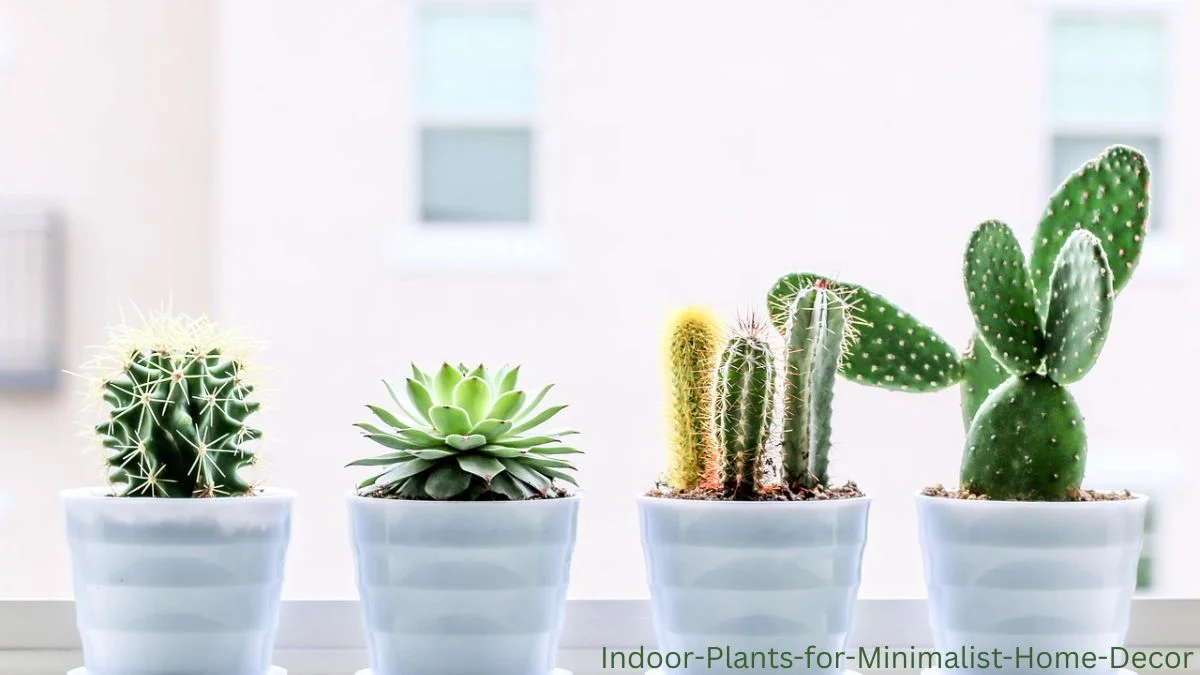
Minimalism is not about having empty spaces; it is about choosing things with purpose. Every item in a minimalist home should feel useful, balanced, and calming. Indoor Plants for Minimalist Home Decor fit perfectly into this style because they add natural beauty without making the space look crowded.
Plants add life and freshness to any room. When chosen carefully, plants used in minimalist homes can become simple focal points without distracting from the overall design. Their clean shapes, soft green colors, and tidy growth match well with modern furniture and neutral tones. These plants also help clean the air and reduce stress, making minimalist spaces feel more comfortable and relaxing.
Table of Contents
Why Indoor Plants Are Essential for Minimalist Interiors
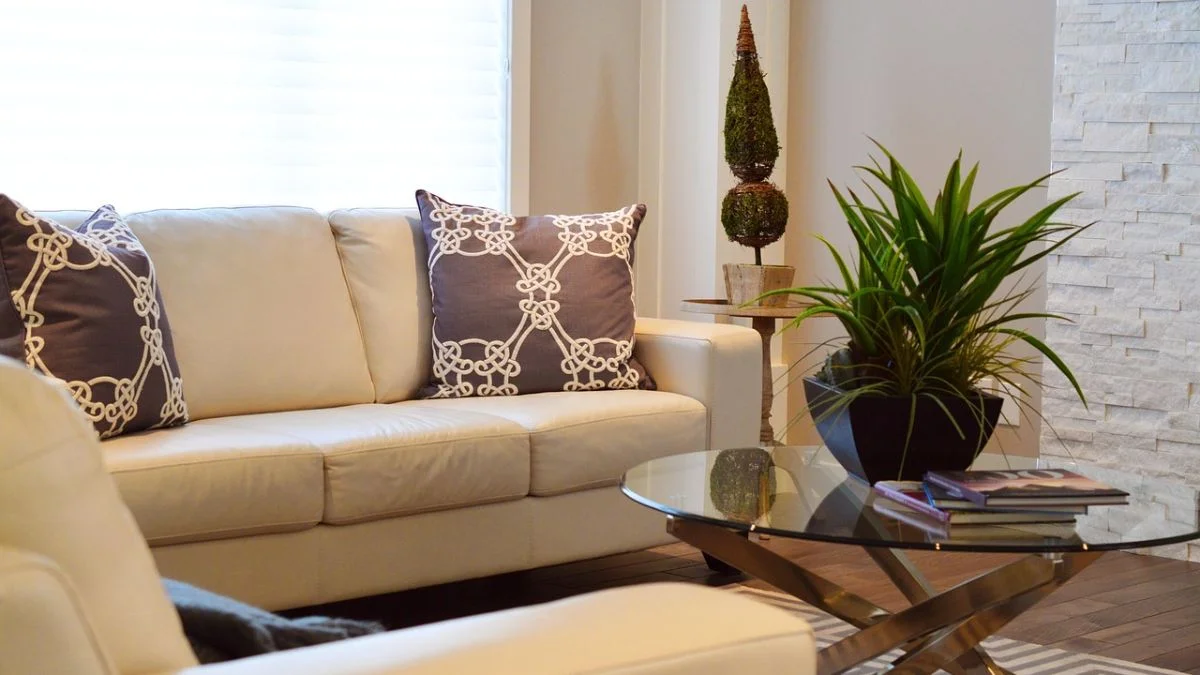
Minimalist design relies on harmony, balance, and functionality. Indoor Plants for Minimalist Home Decor serve as natural design elements that soften stark spaces and add warmth without excess.
Key Benefits:
- Enhance visual balance without clutter
- Improve indoor air quality naturally
- Add texture while maintaining clean aesthetics
- Promote mental calm and well-being
- Blend seamlessly with neutral color schemes
By choosing the right indoor plants for a minimalist home, you can make your space feel warm and welcoming instead of plain or empty.
1. Snake Plant (Sansevieria)
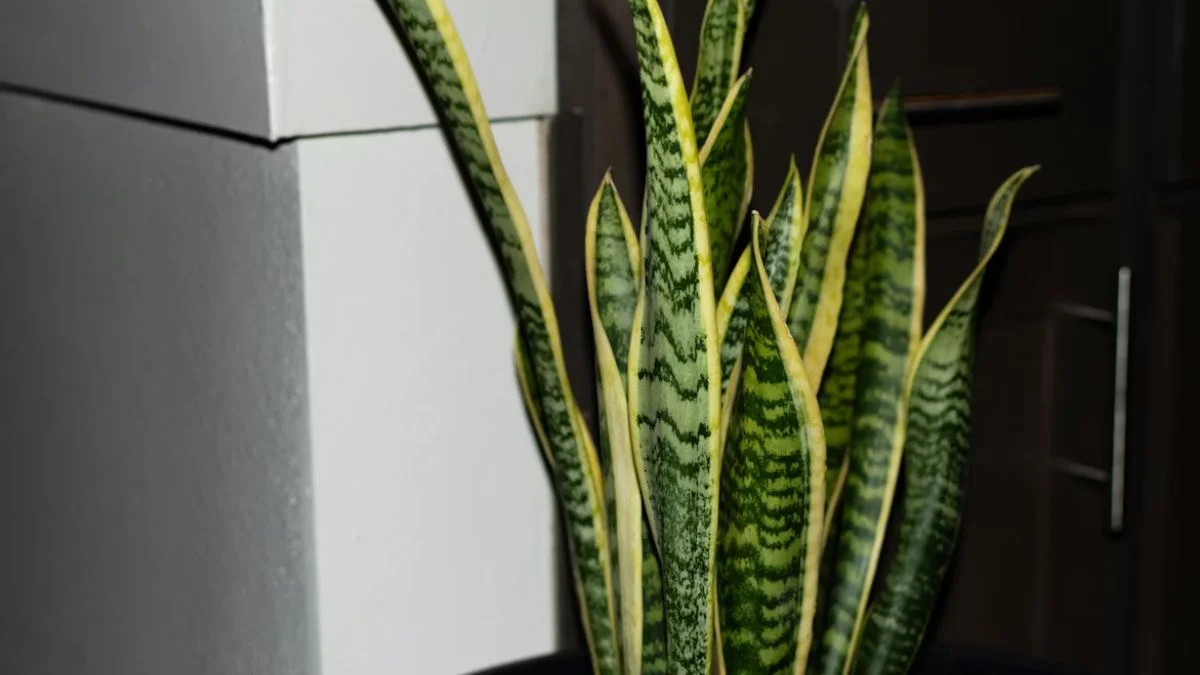
The snake plant is a top choice for Indoor Plants for Minimalist Home Decor due to its upright, architectural form.
Why it works:
- Sharp, clean lines
- Thrives in low light
- Requires minimal watering
Its structured appearance fits perfectly in modern living rooms and bedrooms.
2. Fiddle Leaf Fig
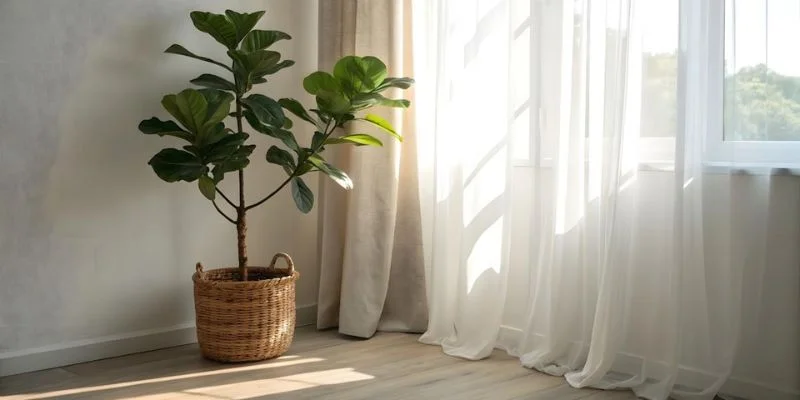
Known for its large, glossy leaves, the fiddle leaf fig adds elegance without excess.
Ideal for:
- Open living areas
- Corner placement
- Neutral interiors
It naturally draws attention while still keeping the room open, clean, and uncluttered.
3. ZZ Plant (Zamioculcas Zamiifolia)
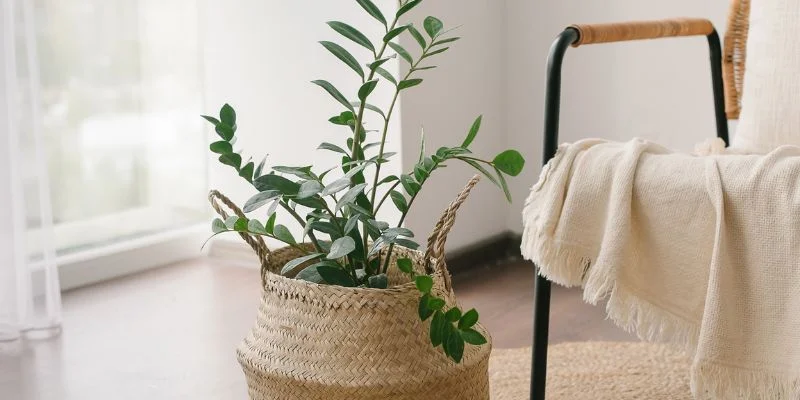
The ZZ plant is loved for its smooth leaves and low-maintenance nature.
Minimalist appeal:
- Subtle shine
- Symmetrical growth
- Tolerates low light
It’s one of the most practical Indoor Plants for Minimalist Home Decor for busy homeowners.
4. Monstera Deliciosa (Minimal Use)
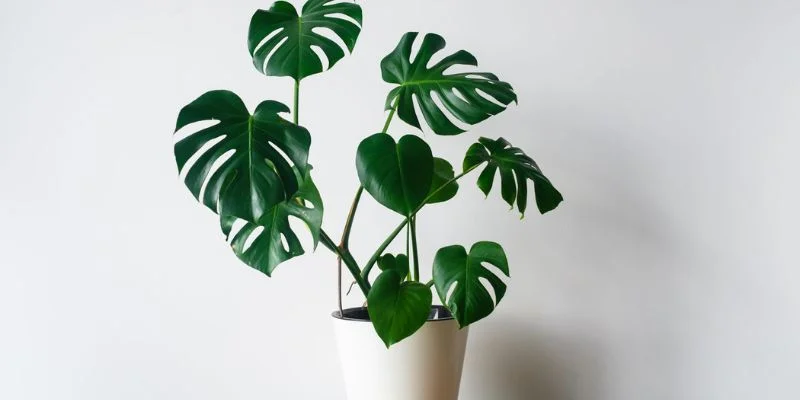
When used sparingly, Monstera adds artistic flair.
Styling tip:
Place a single Monstera in a simple white or concrete pot to maintain a clean, minimalist look. It feels bold yet balanced without overpowering the space.
5. Rubber Plant
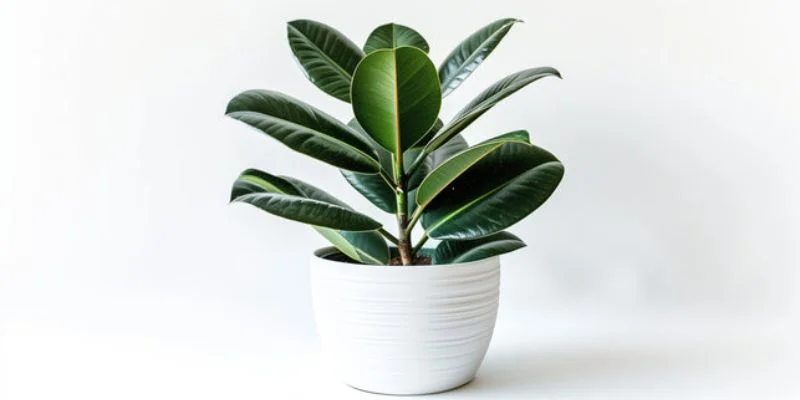
The rubber plant’s dark leaves create contrast in light interiors.
Why minimalist designers love it:
- Clean leaf shape
- Strong vertical growth
- Modern aesthetic
It fits seamlessly into minimalist offices and lounges.
6. Peace Lily
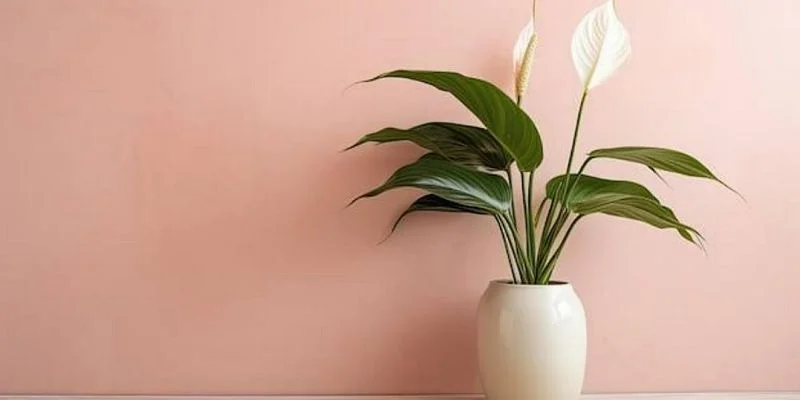
Peace lilies bring softness and purity to minimalist homes.
Benefits:
- Elegant white flowers
- Air-purifying qualities
- Compact growth
These plants fit perfectly into minimalist bedrooms and bathrooms, adding freshness without disturbing the simple look.
7. Pothos (Styled Simply)
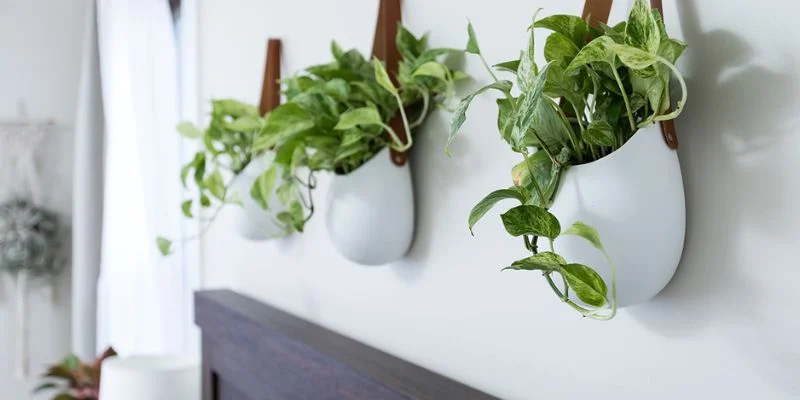
When kept trimmed, pothos enhance minimalism.
Best use:
- Floating shelves
- Simple hanging planters
Avoid overcrowding to maintain the minimalist feel while using Indoor Plants for Minimalist Home Decor effectively.
8. Chinese Evergreen
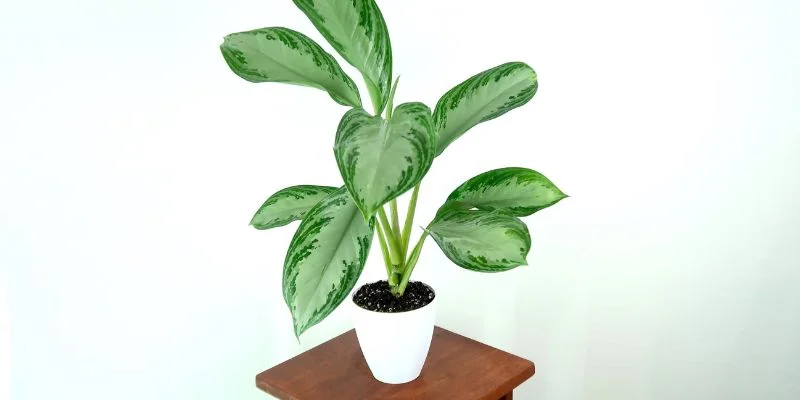
This plant adds subtle patterns without overwhelming simplicity.
Ideal placement:
- Entryways
- Side tables
It’s a refined choice among Indoor Plants for Minimalist Home Decor.
9. Olive Tree (Indoor Variety)
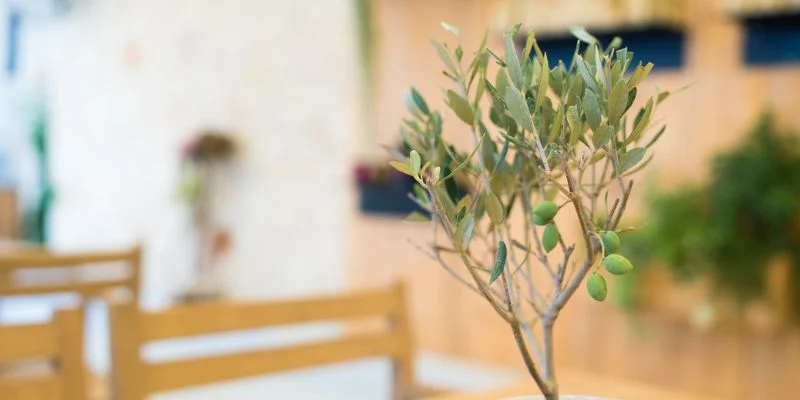
Small indoor olive trees are trending in minimalist interiors.
Why they stand out:
- Muted green tones
- Sculptural trunk
- Mediterranean vibe
They add character while staying true to Indoor Plants for Minimalist Home Decor principles.
10. Succulents (Single Statement Pieces)
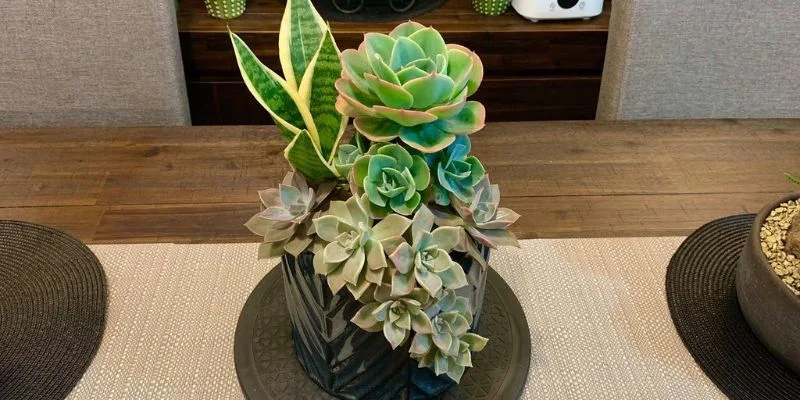
Minimalist design favors quality over quantity.
Styling advice:
Use one succulent in a concrete or ceramic pot rather than multiple small ones. This approach keeps Indoor Plants for Minimalist Home Decor visually clean.
How to Style Indoor Plants in a Minimalist Home
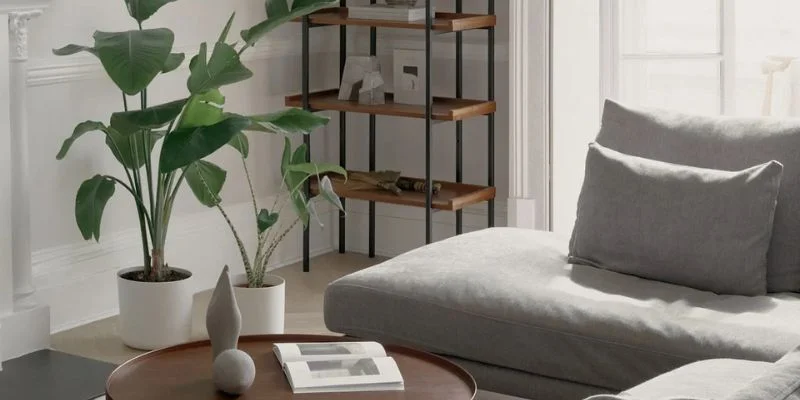
Styling is just as important as plant selection.
Minimalist Styling Tips:
- Choose neutral planters (white, beige, gray)
- Avoid decorative overload
- Stick to one plant per visual zone
- Use symmetry and spacing
Proper styling ensures Indoor Plants for Minimalist Home Decor enhance, not disrupt, simplicity.
Best Placement Ideas for Minimalist Spaces
- Living room corners
- Beside sofas or armchairs
- Near windows with natural light
- Bathroom shelves
- Home office desks
Placing plants thoughtfully gives them space to stand out without making the room feel busy.
Care Tips for Long-Lasting Minimalist Plants
- Avoid overwatering
- Dust leaves regularly
- Rotate plants for even growth
- Use simple pots with drainage
Healthy plants maintain the refined look expected from Indoor Plants for Minimalist Home Decor.
Conclusion
Minimalism thrives on thoughtful choices, and Indoor Plants for Minimalist Home Decor are among the most powerful yet understated design elements you can add to your home. When selected carefully, these plants bring warmth, texture, and tranquility without compromising clean aesthetics. From well-shaped snake plants to elegant fiddle leaf figs, each option complements modern interiors while improving air quality well-being. By focusing on simplicity, spacing, and neutral styling, you can transform your living space into a calm, peaceful home that feels both stylish and alive.
FAQs
1. What are the best Indoor Plants for Minimalist Home Decor?
Snake plants, ZZ plants, and fiddle leaf figs are top choices.
2. Do minimalist homes need plants?
Yes, Indoor Plants for Minimalist Home Decor add warmth and balance.
3. How many plants should a minimalist home have?
Fewer plants with strong visual impact work best.
4. Are indoor plants high maintenance?
Most Indoor Plants for Minimalist Home Decor are low maintenance.
5. Can I use plants in small minimalist apartments?
Yes, compact Indoor Plants for Minimalist Home Decor are ideal.
6. Which planters suit minimalist interiors?
Neutral, matte, or concrete planters are best.
7. Do plants break minimalist design rules?
No, when used intentionally, they enhance minimalism.
8. Can minimalist plants improve air quality?
Yes, many minimalist-friendly indoor plants help clean and improve the air quality.
9. Are hanging plants suitable for minimalism?
Yes, when used sparingly and styled simply.
10. Where should I avoid placing plants?
Avoid cluttered areas that disrupt visual balance.
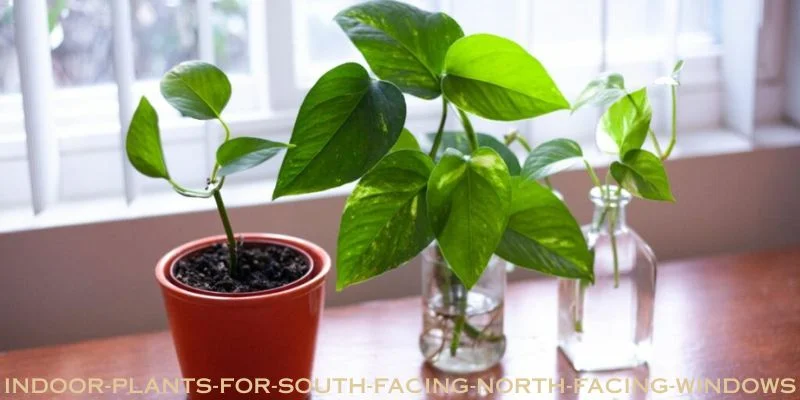
21 Best Indoor Plants for South-Facing & North-Facing Windows (Complete Light-Based Guide)

- Be Respectful
- Stay Relevant
- Stay Positive
- True Feedback
- Encourage Discussion
- Avoid Spamming
- No Fake News
- Don't Copy-Paste
- No Personal Attacks
- Be Respectful
- Stay Relevant
- Stay Positive
- True Feedback
- Encourage Discussion
- Avoid Spamming
- No Fake News
- Don't Copy-Paste
- No Personal Attacks
