15 Stunning Flowering Indoor Plants to Brighten Your Home & Easy Care Tips
Published: 17 Jan 2026
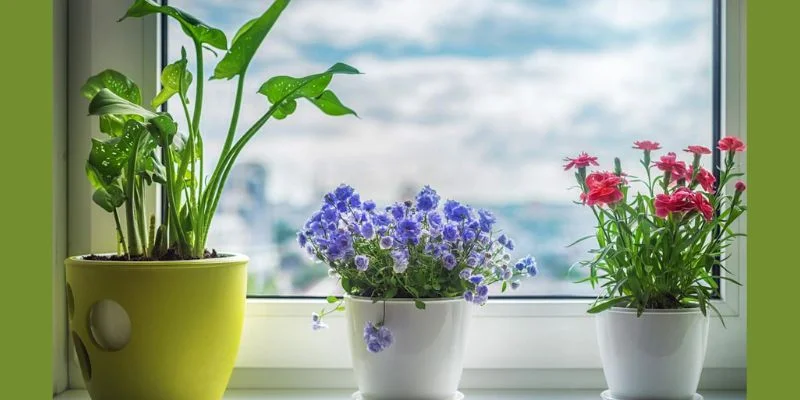
Bringing flowering indoor plants into your home is a simple yet powerful way to add color, freshness, and positive energy to your living space. Flowers naturally make a home feel more welcoming, calm, and alive. Whether you are already a plant lover or just starting your indoor gardening journey, choosing the right flowering plants can completely change the look and feel of your rooms.
Flowering indoor plants do more than improve appearance. They are known to support emotional well-being, reduce stress, and create a peaceful environment. Many people find that caring for plants improves focus and helps them feel relaxed after a long day. With the correct balance of light, water, and care, even beginners can enjoy healthy plants that bloom beautifully indoors. From sunny window areas to softer, shaded corners, there are flowering plants suitable for every space and lifestyle.
Table of Contents
Why Choose Flowering Indoor Plants?
Flowering indoor plants are not just decorative items; they bring life and warmth into your home. Unlike plants with only green leaves, flowering varieties add bright colors, unique shapes, and sometimes gentle fragrances that lift the mood instantly.
Here are some strong reasons to add flowering indoor plants to your home:
- Cleaner indoor air: Many flowering plants help filter pollutants and freshen indoor air
- Visual beauty: Flowers add color, softness, and elegance to home décor
- Stress relief: Being around plants helps calm the mind and reduce anxiety
- Flexible options: From small pots to large floor plants, there’s a choice for every room
Top 15 Flowering Indoor Plants for Every Home
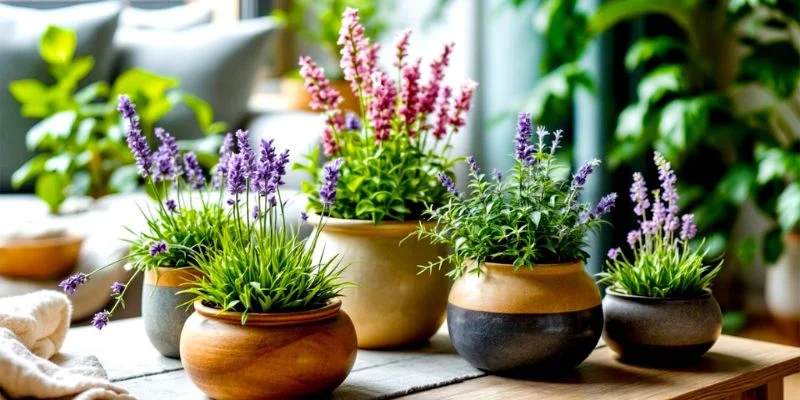
Below is a carefully selected list of flowering indoor plants that grow well indoors and suit different lighting conditions.
1. Peace Lily (Spathiphyllum)
Peace lilies are popular indoor plants with graceful white flowers. They grow well in low to medium light and need regular but moderate watering.
2. African Violet (Saintpaulia)
These small plants produce colorful flowers in purple, pink, or white. They are perfect for shelves and tables and prefer bright, indirect light.
3. Orchids (Phalaenopsis)
Orchids are classy house plants with flowers that last a considerable time. With proper humidity and indirect light, they bloom beautifully indoors.
4. Anthurium (Flamingo Flower)
Anthuriums have glossy leaves and bright red or pink flowers. They enjoy warm temperatures, indirect sunlight, and slightly humid air.
5. Begonia (Wax Begonia)
Begonias offer cheerful flowers and decorative leaves. They adapt easily to indoor conditions and bloom regularly with basic care.
6. Kalanchoe
Kalanchoe is a low-maintenance flowering plant with colorful blooms. It prefers bright light and needs little watering.
7. Bromeliads
Bromeliads are eye-catching plants with long-lasting flowers and bold shapes. They thrive in medium to bright indirect light.
8. Christmas Cactus (Schlumbergera)
This plant blooms during winter, producing pink, red, or white flowers that add color during colder months.
9. Flaming Katy (Kalanchoe blossfeldiana)
Flaming Katy produces dense clusters of vibrant flowers and is easy to grow indoors with minimal care.
10. Gerbera Daisy
Gerbera daisies bring bold, cheerful colors indoors. They need bright light and evenly moist soil to stay healthy.
11. Clivia
Clivia plants bloom with orange or yellow flowers and grow well in indirect light, making them suitable for shaded rooms.
12. Cyclamen
Cyclamen plants have delicate flowers and patterned leaves. They prefer cooler temperatures and indirect sunlight.
13. Lipstick Plant (Aeschynanthus)
This trailing plant produces red, tube-shaped flowers and looks beautiful in hanging baskets near bright windows.
14. Calceolaria (Slipper Flower)
Calceolaria is famous for its remarkably shaped pouch flowers in eye-catching colors, a lovely addition to sunrooms or indoor patios.
15. Gardenia
Gardenias are loved for their fragrant white flowers. They need extra humidity and care but reward you with stunning blooms.
Expert Care Tips for Flowering Indoor Plants
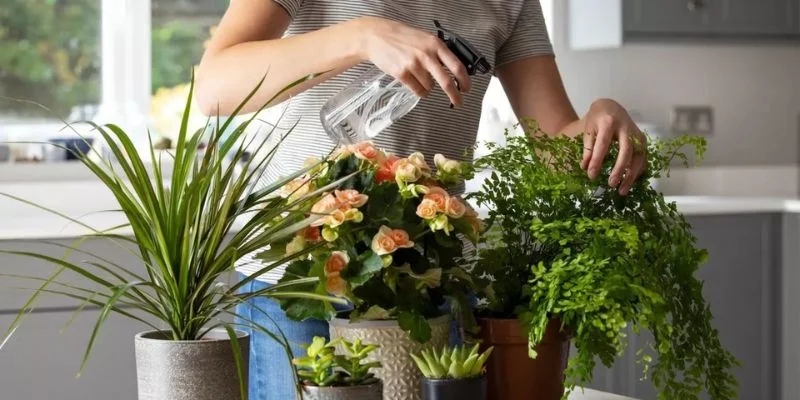
Caring for flowering indoor plants is easy when you follow a few basic rules.
1. Light Needs
Most flowering indoor plants need bright but indirect sunlight. Direct sun can damage flowers, while low light may stop blooming.
Tip: Grow lights are helpful if natural light is limited.
2. Proper Watering
Allow the top layer of soil to dry before watering again. Overwatering is one of the most common mistakes.
- Orchids prefer watering when roots look silvery
- African violets like moist but not soggy soil
3. Soil and Drainage
Use well-draining potting soil and pots with drainage holes to prevent root rot.
4. Temperature and Humidity
Most flowering indoor plants grow best between 65–75°F (18–24°C). Tropical plants enjoy higher humidity.
5. Fertilizing
Use a balanced liquid fertilizer during spring and summer. Reduce feeding during colder months.
6. Pruning and Dead Flowers
Remove faded flowers and yellow leaves to help plants grow healthier and bloom again.
7. Pest Control
Make a habit of checking plants for pests like aphids or tiny pests. Clean leaves and use neem oil if needed
Styling Tips: Best Places for Flowering Indoor Plants
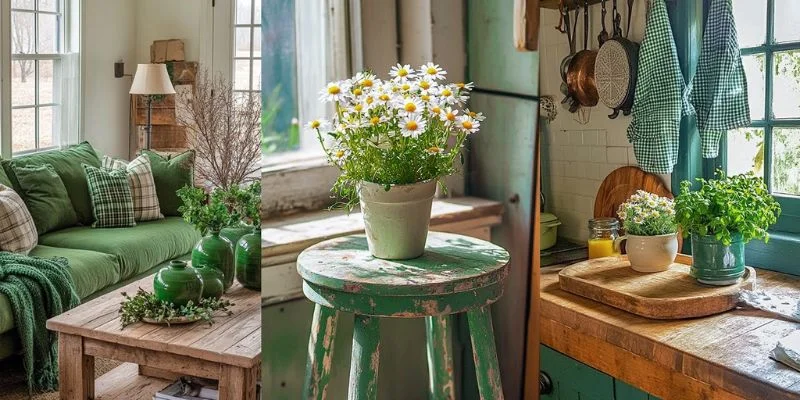
Proper placement helps plants grow better and improves home décor.
- Bright windows: Orchids and gerberas
- Bathrooms: Peace lilies and bromeliads
- Shelves: African violets and begonias
- Entry tables: Flowering plants create a welcoming look
Seasonal Care for Year-Round Blooms
- Spring & Summer: Increase watering and feeding
- Autumn & Winter: Reduce watering and give more light
- Some flowering indoor plants rest between blooming cycles. This is normal.
Common Problems and Simple Fixes
No flowers: Increase light and fertilizer
Yellow leaves: Reduce watering and improve drainage
Drooping plants: Check moisture levels and room temperature
Benefits of Flowering Indoor Plants
Flowering indoor plants offer many long-term benefits:
- Cleaner indoor air
- Better mood and focus
- Natural and calming home design
- Strong connection with nature
For scientific research on plant benefits, visit the NASA Clean Air Study:
https://ntrs.nasa.gov/
10 FAQs About Flowering Indoor Plants
1. How can I make my flowering indoor plants bloom more?
Provide enough light, proper watering, and regular fertilizer.
2. Are flowering indoor plants safe for pets?
Some are toxic, so always check before bringing them home.
3. How often should I fertilize them?
Every 2-4 weeks during active growth.
4. Can flowering indoor plants grow in low light?
Some can, but most need bright indirect light to bloom.
5. What soil works best?
Well-draining soil with good airflow.
6. Why do flowers fade quickly?
Low humidity, heat stress, or improper watering.
7. Can I propagate flowering indoor plants?
Yes, many can be grown from cuttings.
8. Do these plants need humidity?
Many tropical plants benefit from higher humidity.
9. When should I report them?
Every 1-2 years or when roots outgrow the pot.
10. Can artificial light help?
Yes, grow lights work very well indoors.

- Be Respectful
- Stay Relevant
- Stay Positive
- True Feedback
- Encourage Discussion
- Avoid Spamming
- No Fake News
- Don't Copy-Paste
- No Personal Attacks
- Be Respectful
- Stay Relevant
- Stay Positive
- True Feedback
- Encourage Discussion
- Avoid Spamming
- No Fake News
- Don't Copy-Paste
- No Personal Attacks
