10 Proven DIY Methods on How to Fix a Loose Door Knob for Long-Lasting Stability
Published: 26 Nov 2025
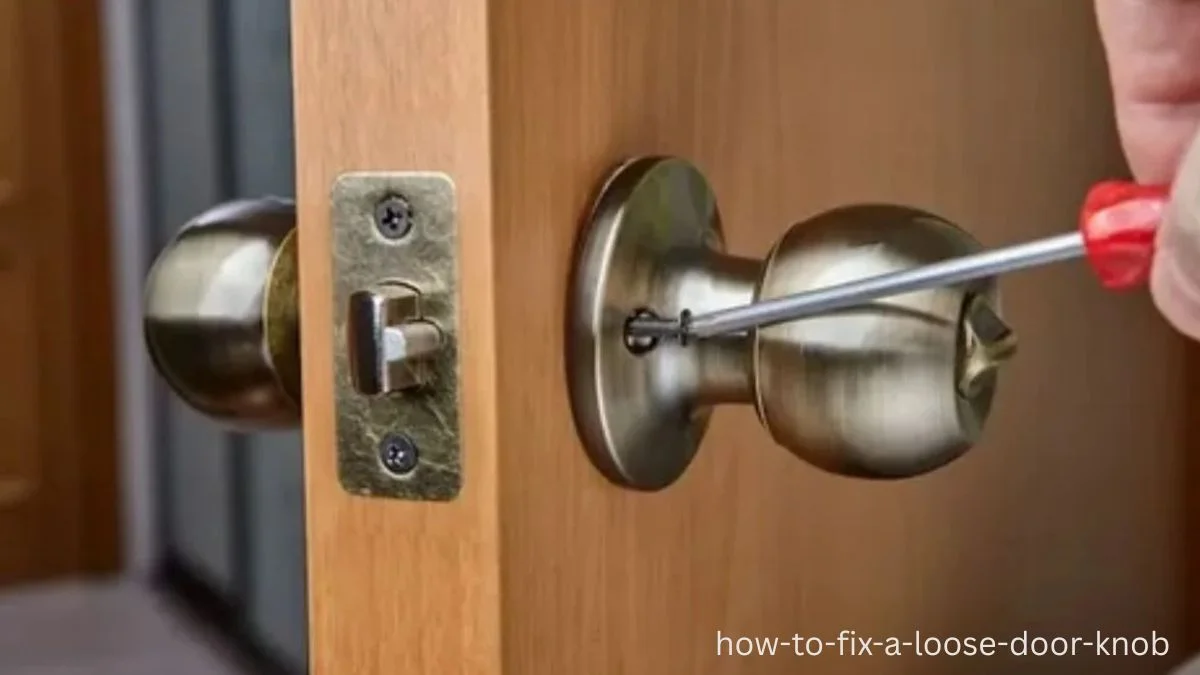
A loose door knob might seem like a minor inconvenience, but it can quickly turn into a daily frustration and even compromise your home’s privacy and security. Whether it’s a wobbly handle, spinning knob, or loose faceplate, ignoring the issue can lead to further damage over time. The good news is that learning how to fix a loose door knob is simple, budget-friendly, and requires only basic tools.
In most homes, door knobs experience constant use, which naturally causes screws to loosen and internal parts to wear out. Understanding how to fix a loose door knob not only helps you avoid costly repairs but also extends the lifespan of your door hardware. In this detailed guide, you’ll discover 10 proven DIY methods, common causes, expert tips, and maintenance strategies to ensure your door knobs stay secure and functional for years.
Table of Contents
Common Reasons Why Door Knobs Become Loose
Understanding the root cause makes it easier to apply the right fix.
Most looseness develops gradually due to wear or improper handling.
Fixing the issue early prevents costly replacements.
- Regular wear and tear from daily use
- Loose or stripped screws that no longer hold properly
- Worn-out spindle affecting grip and rotation
- Humidity and temperature changes causing wood expansion
- Misaligned latch mechanism leading to instability
How to Fix a Loose Door Knob Step-by-Step Guide
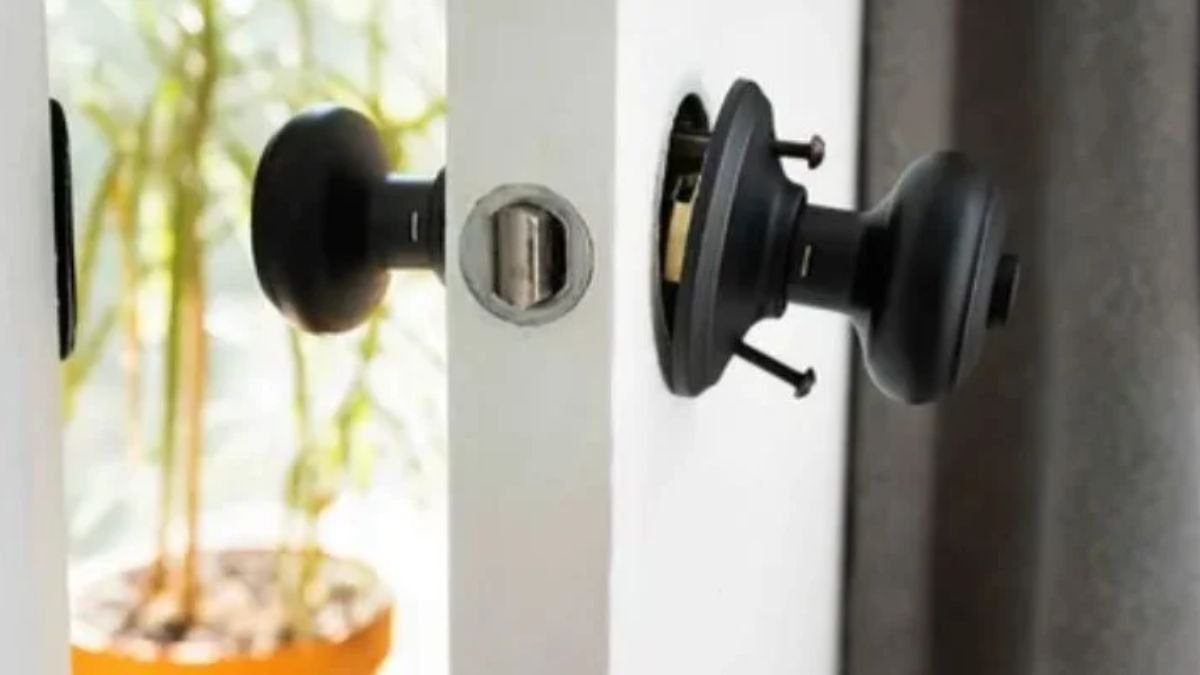
Fixing a loose door knob is easier than it seems and doesn’t require special skills. Here are 10 DIY methods that will help you tighten, adjust, and repair the issue effectively. Using basic tools, you can improve stability, prevent damage, and keep your door knob working smoothly for along time.
1. Tighten Visible Screws
This is the quickest and most common fix.
Most door knobs loosen due to screw movement.
A simple tightening can restore stability instantly.
- Use a Phillips screwdriver
- Tighten screws on both sides evenly
- Avoid overtightening to prevent stripping
2. Remove and Fix Hidden Screws
Some modern knobs hide screws under a faceplate.
Accessing them is key to proper repair.
This method ensures internal stability.
- Twist or pry off the faceplate
- Locate concealed screws
- Tighten them securely
3. Secure the Set Screw
Set screws hold the knob firmly to the spindle.
If loose, the knob may spin or wobble.
Fixing this improves overall grip.
- Locate the small screw on the collar
- Use an Allen key or screwdriver
- Tighten gently but firmly
4. Adjust the Spindle
The spindle connects both sides of the knob.
A worn spindle causes instability.
Replacing or adjusting it ensures smooth operation.
- Remove the knob
- Inspect spindle for wear
- Replace if damaged
5. Realign the Latch Mechanism
Misalignment can make the knob feel loose.
It affects both function and stability.
Proper alignment restores balance.
- Check latch position inside the door
- Adjust alignment with screws
- Ensure smooth retraction
6. Replace Stripped Screws
Stripped screws cannot hold tension.
They are a major cause of recurring looseness.
Replacing them provides a long-term fix.
- Remove damaged screws
- Use slightly larger replacements
- Ensure proper fit
7. Use Thread Lock Adhesive
This prevents screws from loosening again.
It is ideal for frequently used doors.
Provides long-lasting stability.
- Apply thread sealant to screws
- Tighten normally
- Let it dry before use
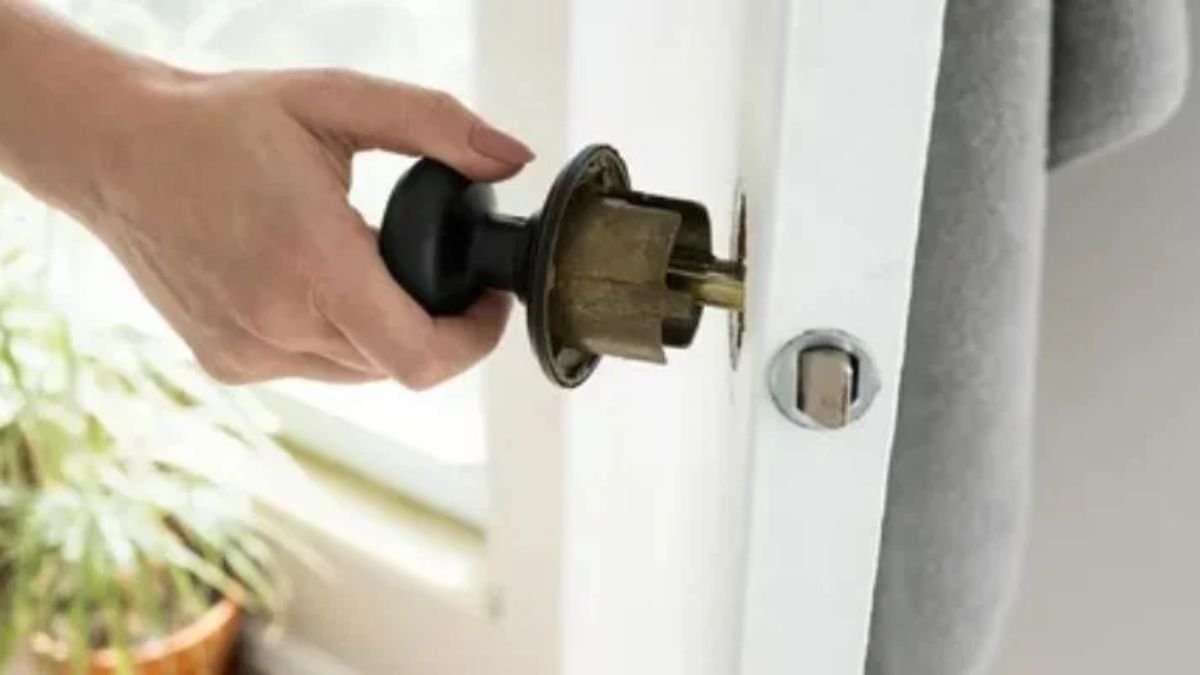
8. Tighten the Base Plate
The base plate supports the entire knob structure.
Loose plates cause wobbling.
Securing it stabilizes the whole system.
- Remove knob cover
- Tighten base plate screws
- Reassemble properly
9. Lubricate Internal Parts
Friction can weaken internal components.
Lubrication ensures smooth movement.
It also extends hardware lifespan.
- Apply a small amount of lubricant
- Focus on spindle and latch
- Avoid overuse
10. Replace the Entire Door Knob
Sometimes repair isn’t enough.
Old or damaged knobs need replacement.
A new knob ensures durability and security.
- Remove old hardware
- Install a new high-quality knob
- Ensure proper alignment
Essential Tools You’ll Need
Having the right tools makes the job easier.
Most fixes require basic household tools.
Preparation saves time and effort.
- Phillips screwdriver
- Flathead screwdriver
- Allen wrench
- Replacement screws
- Lubricant
- Thread sealant
Extra Tips to Prevent Future Loosening
Prevention is better than repeated repairs.
Simple habits can extend hardware life.
Consistency is key to maintenance.
- Check door knobs monthly
- Avoid slamming doors
- Tighten screws regularly
- Use high-quality hardware
- Keep moving parts lubricated
When to Replace Instead of Repair
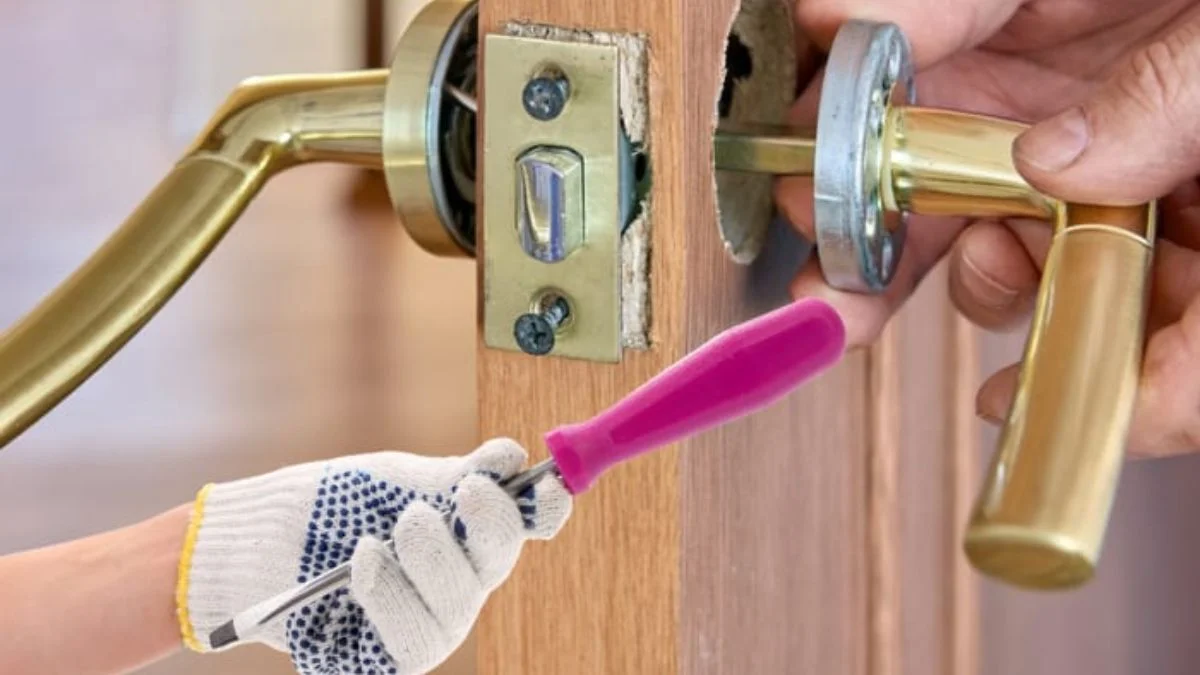
Some situations require replacement rather than fixing.
Ignoring severe damage can worsen the problem.
Knowing when to upgrade saves time.
- Cracked or rusted knob
- Broken spindle
- Misaligned latch beyond repair
- Screws that won’t tighten
- Repeated loosening issues
Safety Tips While Fixing a Door Knob
Safety should always come first when learning how to fix a loose door knob during DIY repairs.
Simple precautions can prevent injuries.
Stay careful while handling tools.
- Keep tools organized
- Avoid overtightening screws
- Do not use power drills on delicate parts
- Keep fingers away from latch edges
- Ensure door stability while working
Conclusion
Learning how to fix a loose door knob is a practical and valuable DIY skill that every homeowner should master. What may seem like a small issue can quickly turn into a bigger problem if left unattended. Fortunately, with just a few tools and the right approach, you can fix most loose door knobs in minutes without professional help.
By following these 10 proven methods, you can restore stability, improve functionality, and enhance the overall security of your home. Regular maintenance, proper installation, and using quality hardware will ensure your door knobs remain strong and reliable for years. Taking action early not only saves money but also keeps your home safe, quiet, and comfortable.
FAQs
1. Why does my door knob keep getting loose?
A door knob usually becomes loose due to regular daily use, which slowly loosens screws and internal parts. Over time, components like the spindle or mounting plate may wear out, reducing stability. Humidity and door movement can also affect alignment, making the knob feel wobbly.
2. Can I fix a loose door knob without removing it?
Yes, in many cases you can fix it by simply tightening the visible screws using a screwdriver. This is a common step in how to fix a loose door knob and works well for exposed-screw knobs. However, if your knob has hidden screws or internal damage, you may need to remove the faceplate for proper tightening.
3. How long does it take to fix a loose door knob?
Fixing a loose door knob is usually quick and takes about 5 to 10 minutes. Simple tightening takes less time, while checking internal parts or replacing screws may take slightly longer depending on the issue.
4. Do I need special tools?
No, you don’t need any special tools when learning how to fix a loose door knob. Basic household tools like a Phillips screwdriver, flathead screwdriver, and sometimes an Allen key are enough. Optional items like lubricant or thread sealant can help improve long-term stability.
5. When should I replace my door knob?
You should replace your door knob if it remains loose after tightening or if internal parts like the spindle or latch are damaged. Rust, cracks, or stripped screws are also signs that replacement is a better and more durable solution.






- Be Respectful
- Stay Relevant
- Stay Positive
- True Feedback
- Encourage Discussion
- Avoid Spamming
- No Fake News
- Don't Copy-Paste
- No Personal Attacks
- Be Respectful
- Stay Relevant
- Stay Positive
- True Feedback
- Encourage Discussion
- Avoid Spamming
- No Fake News
- Don't Copy-Paste
- No Personal Attacks
