
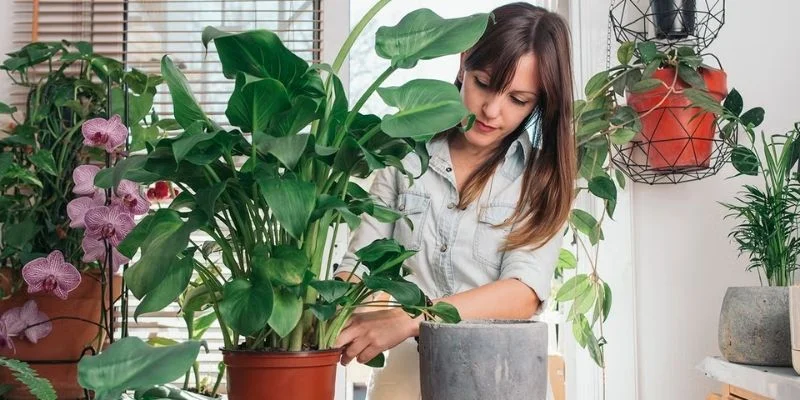
Modern life moves at an exhausting pace. Long work hours, constant notifications, and excessive screen time have turned stress into a daily struggle. Even our homes designed to offer comfort and relaxation often fail to provide the calm we need. This rising mental fatigue has encouraged homeowners to seek natural and effective solutions. Research and real-life experience clearly show that indoor plants reduce stress by creating a calmer, more balanced indoor environment that supports emotional well-being.
Indoor greenery is far more than a decorative element. Plants positively influence the mind and body by lowering anxiety, slowing heart rate, and improving overall mood. This is why wellness experts and interior designers frequently recommend adding plants to homes, offices, and apartments. One of the key reasons indoor plants reduce stress is their ability to reconnect us with nature, even in busy urban spaces. Whether you live in a small apartment or a large home, indoor plants offer a simple, affordable way to improve mental health and daily comfort.
Table of Contents
Why Indoor Plants Reduce Stress Naturally
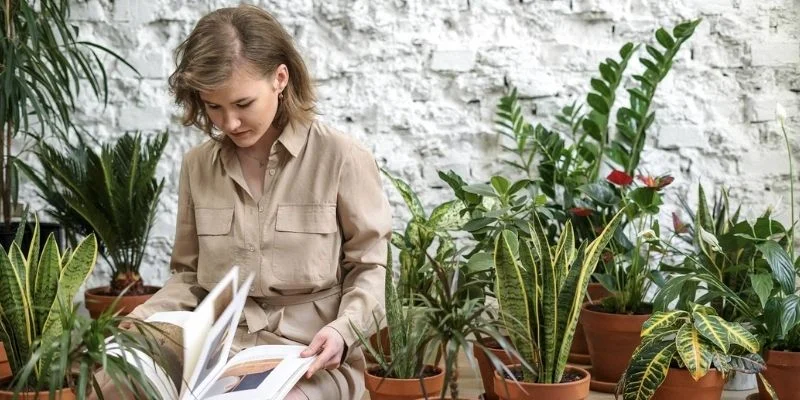
The calming effect of plants is rooted in biology and psychology. Biophilia is a term that refers to the natural human connection to nature. When greenery is present indoors, it activates this natural bond.
Furthermore, studies have demonstrated that the presence of indoor plants can enhance concentration and productivity, further contributing to a tranquil environment. The act of caring for plants also promotes mindfulness, allowing individuals to focus on the present moment and reduce feelings of overwhelm. In addition, the improved air quality provided by plants can alleviate respiratory issues and create a more pleasant atmosphere, thereby fostering relaxation and peace within the home.
Studies show that indoor plants reduce stress by:
- Lowering cortisol (the stress hormone)
- Improving focus and concentration
- Creating a sense of comfort and safety
- Reducing mental fatigue
Even brief interaction with plants such as watering or pruning can produce relaxing effects similar to meditation.
Scientific Evidence That Indoor Plants Reduce Stress
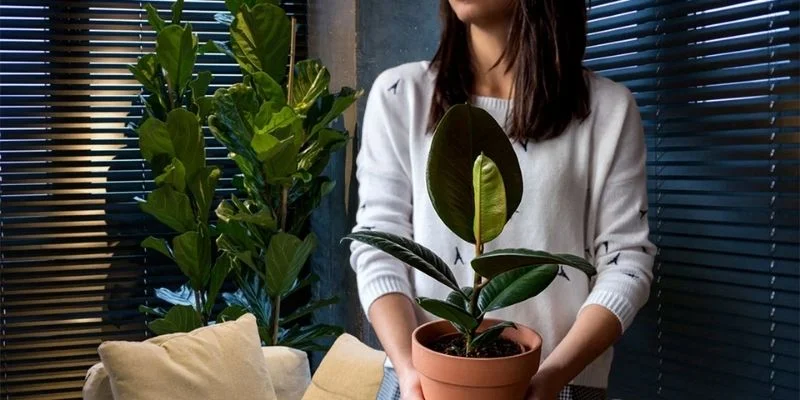
Several studies confirm that indoor plants reduce stress and enhance mental health:
- A Japanese study found that participants felt calmer and less anxious after working with indoor plants.
- Research from universities worldwide shows that rooms with plants reduce psychological stress more effectively than plant-free spaces.
- Visual exposure to greenery has been linked to lower blood pressure and improved emotional stability.
These findings prove that indoor plants reduce stress not just emotionally, but physically as well.
Best Indoor Plants That Reduce Stress at Home
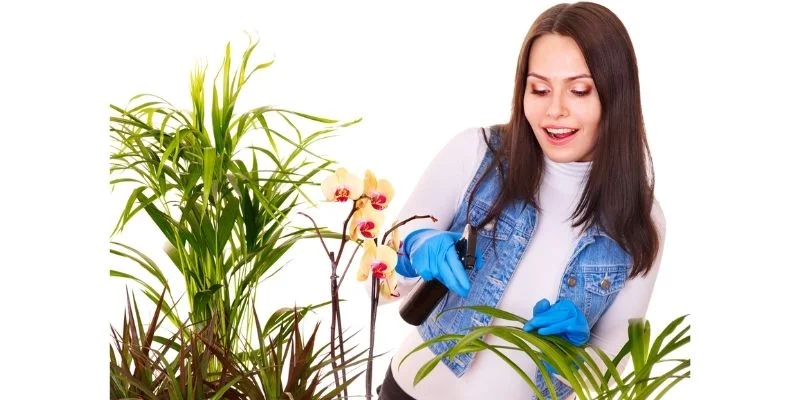
1. Snake Plant (Sansevieria)
This hardy plant improves air quality and creates a peaceful atmosphere. Snake plants are ideal for bedrooms and low-light areas.
2. Peace Lily
Peace lilies are known for their elegant white blooms and calming presence. They also help reduce indoor toxins.
3. Lavender
Lavender is famous for its stress-relieving scent. Having it indoors promotes relaxation and better sleep.
4. Pothos (Money Plant)
Easy to care for and visually soothing, pothos plants help create a calm and welcoming space.
5. Aloe Vera
Besides its healing properties, aloe vera brings freshness and tranquility to indoor spaces.
These plants prove that indoor plants reduce stress while enhancing your home’s beauty.
How Indoor Plants Reduce Stress in Small Homes and Apartments
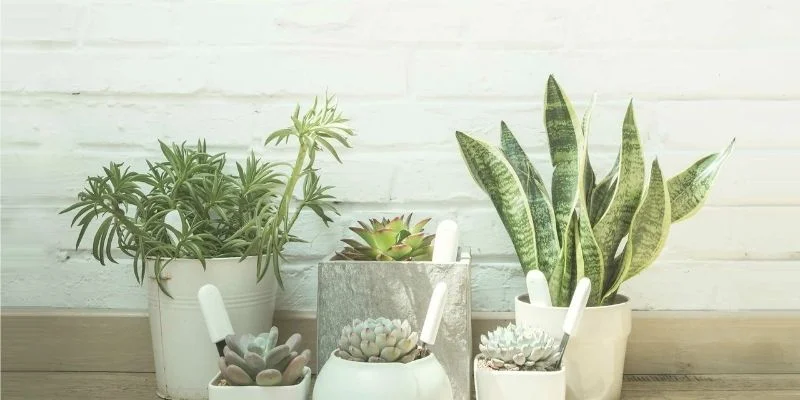
You don’t need a big house to reap the benefits.Indoor plants reduce stress even in small apartments by:
- Making spaces feel more open
- Adding life to dull corners
- Softening harsh interior lines
- Improving indoor air quality
Vertical planters, hanging pots, and window-sill plants are excellent options for compact living spaces.
Indoor Plants Reduce Stress in Work-From-Home Spaces
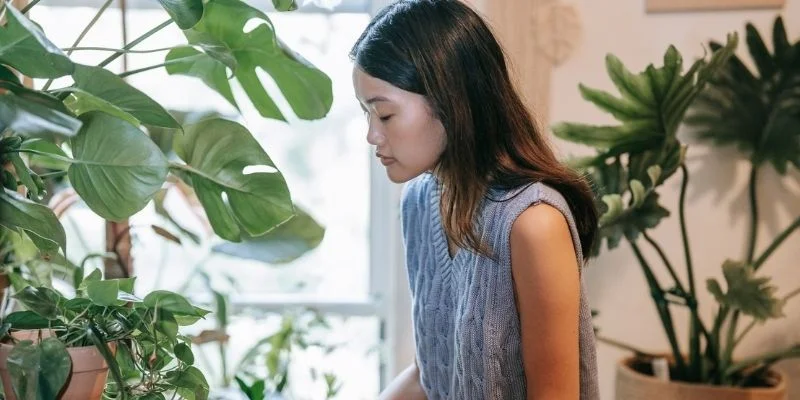
With remote work becoming common, stress levels at home offices are rising. Indoor plants reduce stress by:
- Increasing productivity
- Enhancing focus
- Reducing digital fatigue
- Creating visual balance
Placing a small plant near your desk can significantly improve your workday mood.
The Role of Color and Texture in Stress Reduction
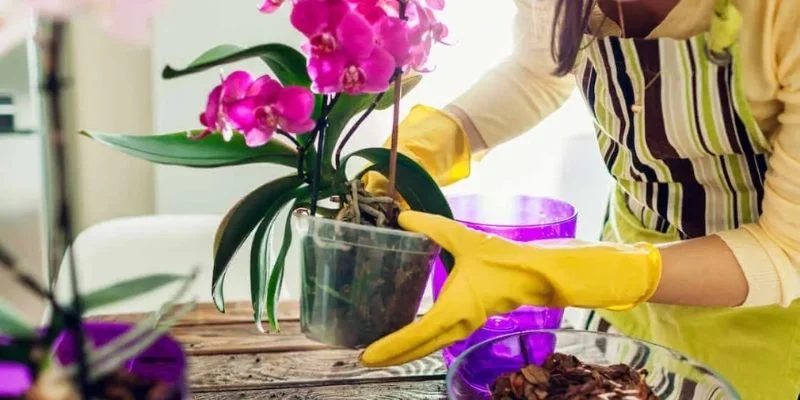
Green is scientifically proven to be the most calming color. Indoor plants reduce stress through:
- Soft leaf textures
- Natural color contrast
- Gentle movement of leaves
Plants like ferns and palms create a soothing visual rhythm that helps the brain relax.
How to Style Indoor Plants for Maximum Stress Relief
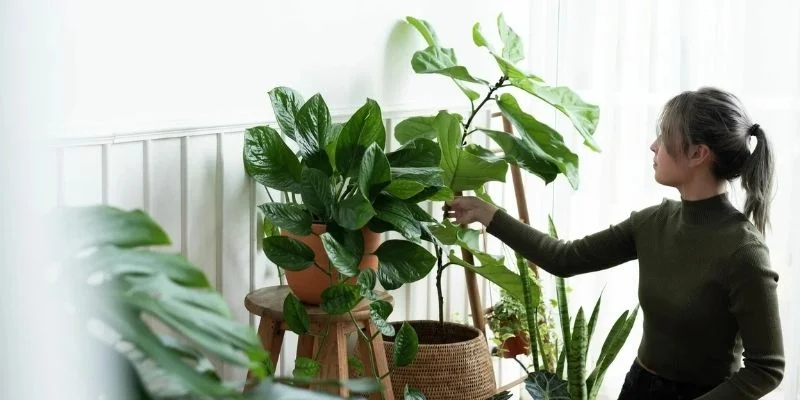
To maximize how indoor plants reduce stress:
- Use plants in bedrooms and living rooms
- Group plants in odd numbers for visual harmony
- Choose ceramic or earthy pots
- Avoid clutter balance is key
Minimal, well-placed greenery creates a peaceful atmosphere without overwhelming the space.
Low-Maintenance Indoor Plants for Stress-Free Living
Stress reduction should not come with extra work. These low-maintenance plants are perfect:
- ZZ Plant
- Snake Plant
- Spider Plant
- Pothos
They thrive with minimal care while still proving that indoor plants reduce stress effectively.
Indoor Plants and Better Sleep Quality
Indoor plants reduce stress levels before bedtime, promoting deeper sleep. Plants like lavender and jasmine release calming scents that relax the nervous system.
Placing plants away from direct airflow and ensuring proper light helps maintain a healthy sleep environment
Common Mistakes to Avoid When Using Indoor Plants
- Overwatering plants
- Choosing plants unsuitable for lighting conditions
- Cluttering too many plants in one area
- Ignoring plant health
Healthy plants are essential because indoor plants reduce stress only when they thrive.
Conclusion
Incorporating greenery into your home is one of the simplest ways to enhance mental well-being. From scientific research to everyday experience, the evidence is clear indoor plants reduce stress, improve mood, and create a calm living environment. Whether you live in a small apartment or a large house, adding the right plants can transform your space into a peaceful retreat. By choosing low-maintenance plants and styling them thoughtfully, you can enjoy a healthier, happier home every day.
In addition to the calming scents of plants such as lavender and jasmine, the visual appeal of greenery contributes significantly to reducing stress levels. Incorporating a variety of indoor plants can enhance air quality, which further promotes relaxation and mental clarity. Moreover, the act of caring for these plants can provide a therapeutic routine, fostering a deeper connection with one’s living space. Ultimately, a well-curated selection of indoor plants not only beautifies a home but also cultivates a serene atmosphere conducive to overall well-being.
FAQs
1. How do indoor plants reduce stress naturally?
Indoor plants reduce stress by lowering cortisol levels and promoting a calming visual environment.
2. Which indoor plants are best for stress relief?
Snake plants, peace lilies, lavender, and pothos are excellent stress-reducing options.
3. Can indoor plants reduce stress in apartments?
Yes, indoor plants reduce stress even in small apartments with proper placement.
4. Do indoor plants help with anxiety?
Yes, studies show indoor plants reduce stress and anxiety significantly.
5. How many plants are needed to feel relaxed?
Even 2-3 plants can noticeably reduce stress levels indoors.
6. Where should indoor plants be placed for stress relief?
Indoor plants work best in living rooms, bedrooms, and work-from-home spaces where relaxation is needed.
7. Are low-maintenance plants effective for stress reduction?
Yes, low-maintenance plants like snake plants and ZZ plants reduce stress without adding extra care pressure.
8. Do indoor plants improve mood and focus?
Yes, indoor plants reduce stress while improving mood, concentration, and overall mental clarity.