
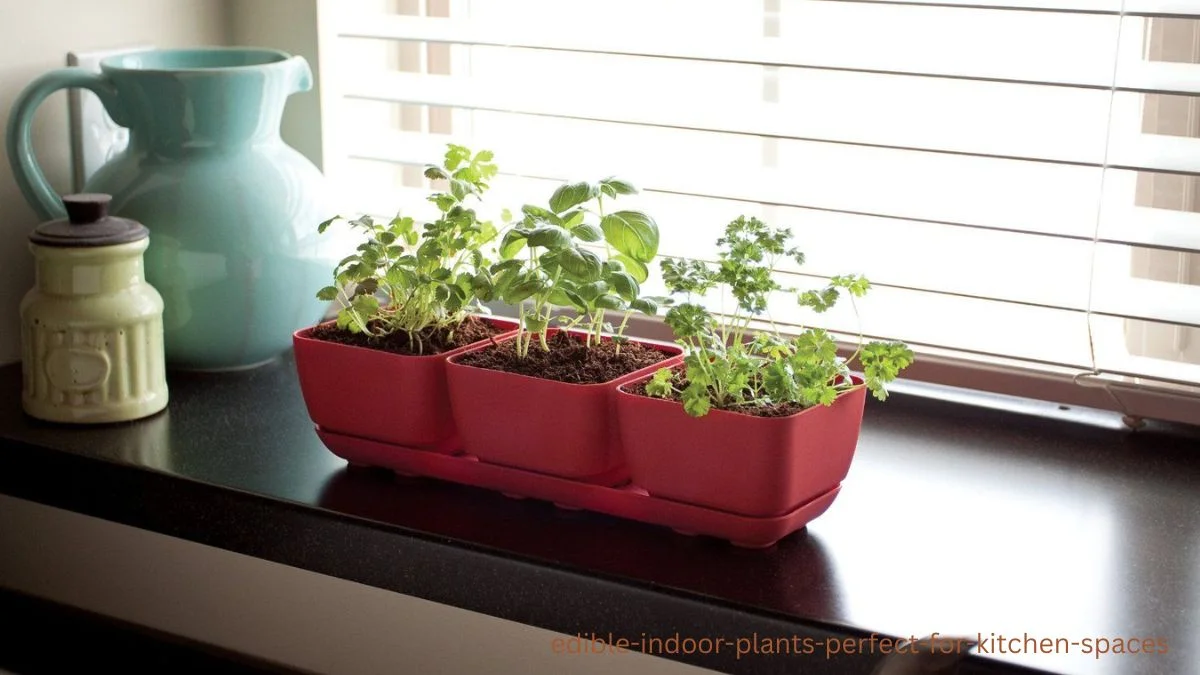
If you love cooking with fresh ingredients, adding Edible Indoor Plants Perfect for Kitchen Spaces can completely transform your daily meals. Imagine plucking fresh basil for pasta, mint for tea, or green onions for garnish all without stepping outside your home. Indoor edible plants are not just decorative; they are practical, space-efficient, and budget-friendly.
Kitchens provide the ideal environment for many herbs and greens because of regular warmth, humidity, and nearby water access. Even if you live in an apartment or have limited sunlight, there are numerous options that thrive indoors. With the right setup such as a sunny windowsill, hanging planter, or countertop pot you can create a mini kitchen garden that adds beauty and functionality at the same time.
In this detailed guide, you’ll explore the top Edible Indoor Plants Perfect for Kitchen Spaces, along with simple care tips, creative styling ideas, and smart solutions tailored for small homes.
Table of Contents
Why Choose Edible Indoor Plants for Your Kitchen?
Growing Edible Indoor Plants Perfect for Kitchen Spaces offers multiple practical and lifestyle benefits for modern homes.
- Fresh ingredients available anytime
- Saves money on herbs and greens
- Adds natural decor to your kitchen
- Improves indoor air quality
- Encourages healthy eating habits
Adding Edible Indoor Plants Perfect for Kitchen Spaces is one of the simplest upgrades for a functional and beautiful home.
15 Best Edible Indoor Plants Perfect for Kitchen Spaces
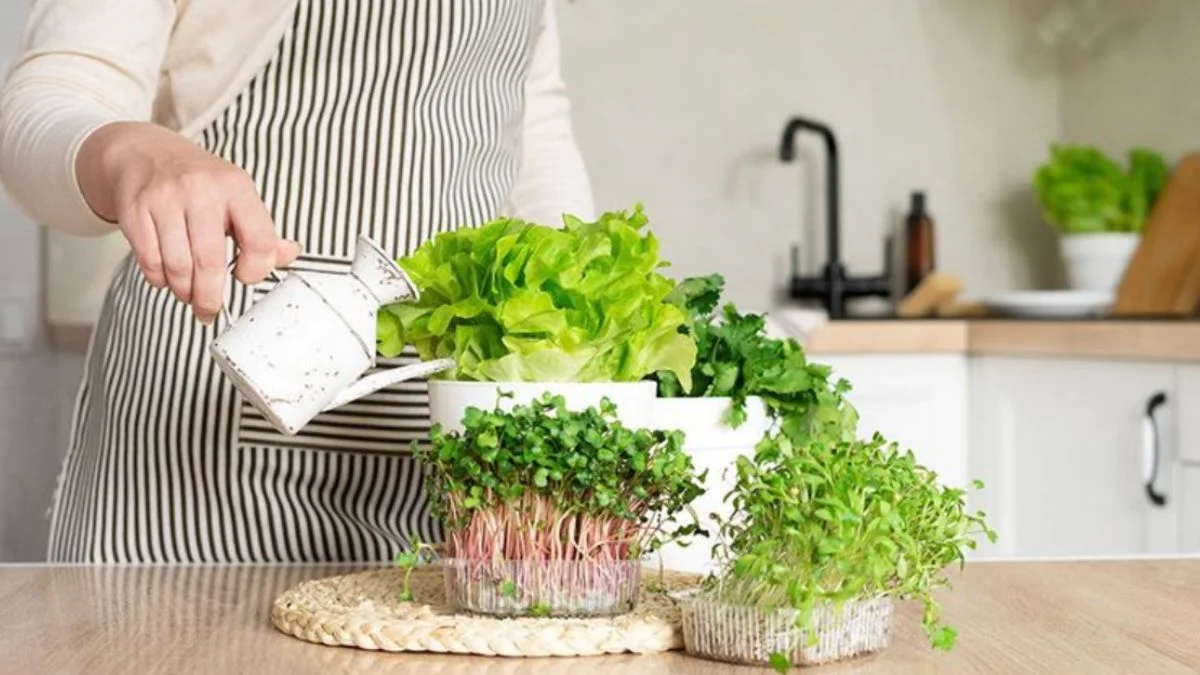
These Edible Indoor Plants Perfect for Kitchen Spaces are beginner-friendly, low-maintenance, and perfectly suited for countertops, windowsills, and small shelves, allowing you to enjoy fresh, homegrown flavors while enhancing your kitchen’s natural charm and functionality.
1. Basil
Basil is a favorite in many kitchens thanks to its fresh aroma and rich flavor.
- Loves bright sunlight
- Ideal for Italian dishes
- Grows well in small pots
- Requires regular trimming
Keep it close to a bright, sunny window where it can soak up plenty of natural light and thrive beautifully.
2. Mint
Mint grows quickly and is extremely easy to maintain.
- Perfect for tea and drinks
- Thrives in indirect light
- Needs consistent watering
Keep it in a separate pot since it spreads fast.
3. Green Onions
Green onions are beginner-friendly.
- Can regrow from kitchen scraps
- Require minimal soil
- Great for salads and garnishes
Simply place roots in water and watch them grow.
4. Parsley
Parsley is versatile and nutritious.
- Rich in vitamins
- Prefers moderate sunlight
- Needs well-drained soil
A perfect addition to your list of Edible Indoor Plants Perfect for Kitchen Spaces.
5. Cilantro
Cilantro works beautifully in Asian and Mexican dishes.
- Likes bright, indirect light
- Requires regular harvesting
- Prefers cooler indoor temperatures
6. Thyme
Thyme is compact and aromatic.
- Thrives in small containers
- Needs good drainage
- Drought-tolerant
7. Rosemary
Rosemary adds fragrance and flavor.
- Loves bright sunlight
- Requires minimal watering
- Works well in decorative pots
8. Oregano
Oregano is excellent for Mediterranean recipes.
- Easy to grow indoors
- Needs full sun
- Great in hanging planters
9. Lettuce
Lettuce grows quickly indoors.
- Prefers cooler temperatures
- Needs shallow containers
- Harvest outer leaves regularly
10. Spinach
Spinach is nutrient-dense.
- Thrives in partial sunlight
- Ideal for smoothies and salads
- Requires moist soil
11. Cherry Tomatoes
Cherry tomatoes can grow indoors with support.
- Needs strong sunlight
- Requires staking
- Produces small, sweet fruits
12. Chili Peppers
Chili pepper plants add spice to your meals.
- Thrive in warm environments
- Need at least 6 hours of sunlight
- Grow well in pots
13. Microgreens
Microgreens are harvested early.
- Ready in 1-2 weeks
- Require shallow trays
- Extremely nutritious
14. Aloe Vera (Edible Variety)
Aloe vera gel can be used in drinks (ensure edible variety).
- Requires bright indirect light
- Needs minimal watering
- Decorative and practical
15. Lemongrass
Lemongrass is perfect for Asian dishes.
- Grows from stalk cuttings
- Needs bright light
- Adds fresh citrus flavor
Styling Ideas for Kitchen Edible Plants
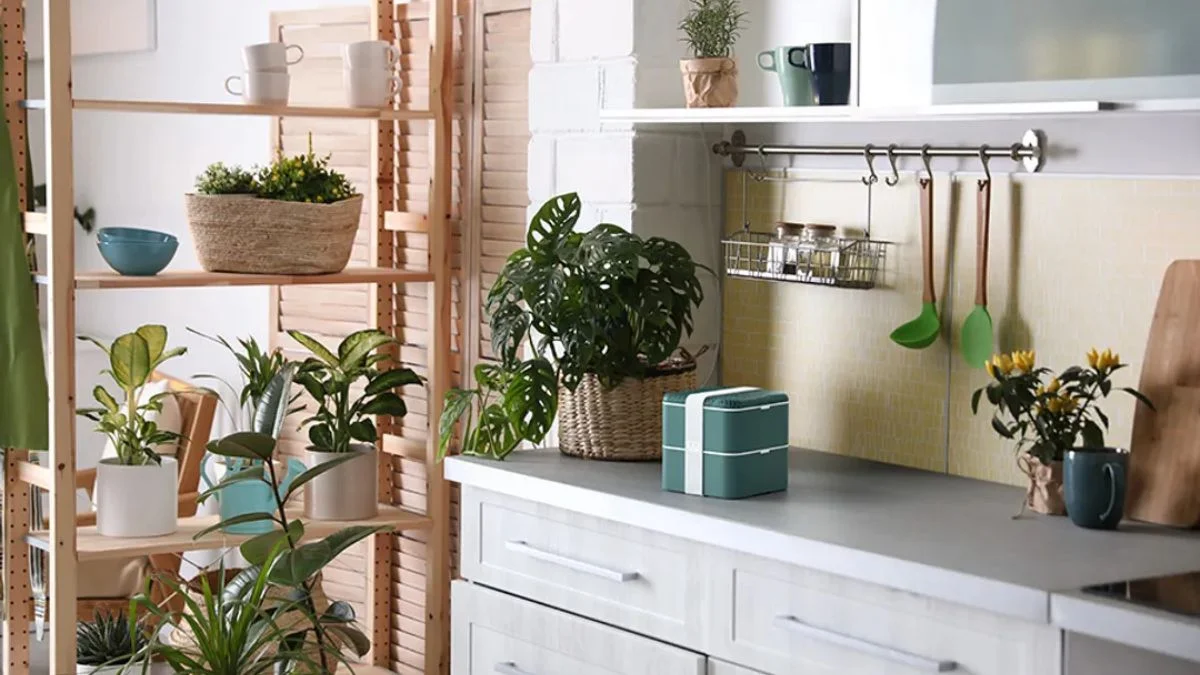
Enhance the beauty of your kitchen by styling your Edible Indoor Plants Perfect for Kitchen Spaces in creative and eye-catching ways, turning your functional herb garden into a stunning decorative feature.
- Use matching ceramic pots
- Hang small herb planters above the sink
- Create a vertical herb wall
- Use tiered plant stands
- Place small pots on open shelves
Care Tips for Long-Lasting Indoor Edible Plants
To keep your plants healthy:
- Provide 4-6 hours of sunlight daily
- Use well-draining soil
- Avoid overwatering
- Rotate pots for even growth
- Fertilize lightly once a month
Common Mistakes to Avoid
Avoiding these errors will help your Edible Indoor Plants Perfect for Kitchen Spaces grow healthier, stronger, and more productive throughout the year.
Overcrowding plants
Ignoring drainage holes
Placing herbs too far from light
Forgetting regular harvesting
Using garden soil instead of potting mix
Best Locations in the Kitchen
Your Edible Indoor Plants Perfect for Kitchen Spaces will thrive in:
- Windowsills
- Near the sink
- Countertop corners
- Open shelves
- Hanging racks
External Resource Options
For additional expert gardening advice, consider referencing:
- Better Homes & Gardens
- Royal Horticultural Society
- The Old Farmer’s Almanac
These websites provide reliable indoor gardening tips and plant care guides.
FAQs
1. What are the easiest edible indoor plants for beginners?
Basil, Mint, Green onions, and Lettuce are simple to grow and require minimal care.
They adapt well to kitchen environments and are perfect starter choices.
2. How much sunlight do indoor edible plants need?
Most herbs need 4-6 hours of bright sunlight daily to grow properly.
A south-facing window usually provides the best natural light.
3. Can I grow vegetables indoors without direct sunlight?
Yes, you can use LED grow lights to replace or supplement natural sunlight.
Many leafy greens grow well under artificial lighting.
4. How often should I water edible indoor plants?
Give your plant water once the top layer of soil feels dry when you gently touch it.
Avoid overwatering, as it can cause root rot.
5. Are indoor edible plants safe around cooking heat?
Yes, but keep them slightly away from direct stovetop heat.
Excess heat and steam can damage leaves over time.
Conclusion
Adding Edible Indoor Plants Perfect for Kitchen Spaces is one of the smartest ways to combine functionality and beauty in your home. Whether you choose herbs like basil and thyme or leafy greens like lettuce and spinach, indoor edible plants provide fresh flavors, improve air quality, and enhance your kitchen’s aesthetic.
For more inspiration, you can also explore our guide on indoor herb garden ideas to expand your setup creatively. With proper lighting, watering, and placement, even small kitchens can support a thriving indoor garden. Start with a few beginner-friendly herbs and gradually expand your collection. Soon, your kitchen will not only look greener but also taste fresher every day.