

A warm fire feels comforting. A dirty chimney does not. That cozy fireplace can quickly turn risky if soot and creosote build up inside your flue.
This is where chimney cleaning tools step in. They keep chimneys clear, improve airflow, and reduce fire risks. According to the National Fire Protection Association (NFPA), failure to clean chimneys remains one of the leading causes of home heating fires. That fact alone makes chimney maintenance worth your attention.
This guide explains real, professional chimney cleaning tools, how they work, and when to use them. No myths. No shortcuts. Just practical knowledge you can trust.
Table of Contents
Why Chimney Cleaning Tools Matter
Chimneys collect soot, ash, and creosote every time you burn wood or fuel. Creosote forms when smoke cools and sticks to chimney walls. It is highly flammable.
The Chimney Safety Institute of America (CSIA) recommends at least one chimney inspection per year, even if you do not use your fireplace often. Proper cleaning equipment makes this process safer and more effective.
Good tools help to:
- Reduce fire hazards
- Improve fireplace efficiency
- Prevent smoke backflow
- Extend chimney lifespan
Think of chimney maintenance like dental care for your home. Ignore it long enough, and problems appear fast.
Core Chimney Cleaning Tools Explained
These basic tools help remove soot and creosote, keeping your chimney safe and efficient
Chimney Brushes
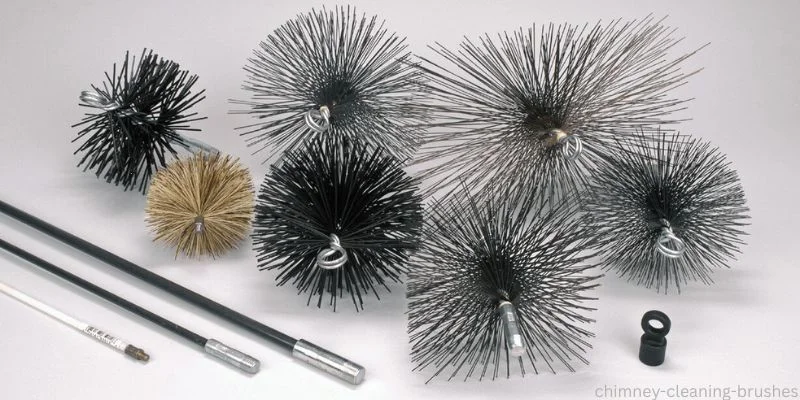
Chimney brushes form the backbone of chimney maintenance. They scrub soot and creosote from flue walls effectively.
Professionals choose brushes based on:
- Chimney shape (round, square, or rectangular)
- Flue size
- Liner material
Common brush types include:
- Wire brushes: Best for masonry chimneys
- Polypropylene brushes: Safer for stainless steel liners
- Flat wire brushes: Designed for heavy creosote deposits
Using the wrong brush can damage your liner, so matching the brush to your chimney is essential.
Chimney Rods
Brushes need reach, and rods provide it. Chimney rods connect together to extend the brush from the fireplace to the chimney top or vice versa.
Most cleaning kits include:
- Fiberglass rods (flexible and durable)
- Poly rods (lightweight for DIY users)
- Steel rods (used mainly by professionals)
Rods should lock securely. Loose connections waste time and increase safety risks.
Rotary Chimney Cleaning Systems
Rotary systems bring modern efficiency to chimney maintenance. These systems attach flexible rods to a drill, spinning the brush inside the flue.
According to CSIA training materials, rotary systems:
- Remove glazed creosote more effectively
- Reduce physical strain
- Clean faster than manual methods
They work best for straight flues and stainless steel liners. Controlled speed and steady handling prevent liner damage.
Advanced Chimney Cleaning Tools for Professionals
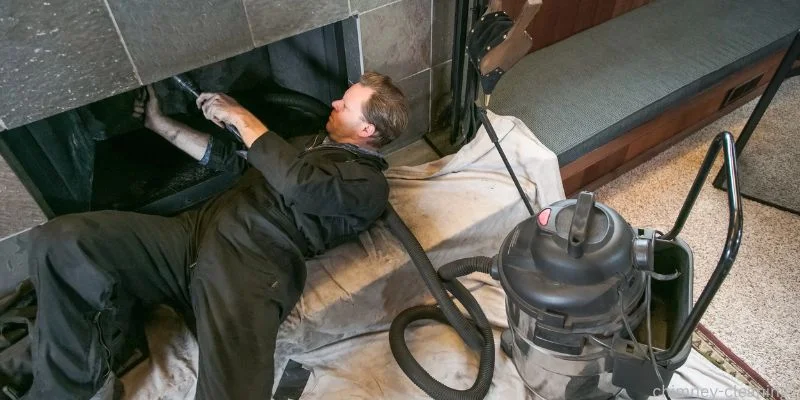
These tools help professionals clean tough buildup safely and more effectively.
Industrial Chimney Vacuums
Standard household vacuums cannot handle fine soot particles. Professional chimney vacuums use HEPA filtration to trap harmful dust.
The U.S. Environmental Protection Agency (EPA) warns that soot particles can affect indoor air quality. Professional vacuums prevent soot from spreading into living spaces.
Key features include:
- Sealed systems
- Fine particle filtration
- Strong suction power
These systems protect both the cleaner and the home.
Creosote Removal Tools
Not all creosote scrapes off easily. Hardened or glazed creosote requires specialized removal tools.
Professionals often use:
- Creosote scrapers
- Chain whip attachments
- Rotary cleaning heads
These tools work slowly and carefully. Aggressive scraping can damage liners, which is why experts handle heavy buildup.
Chimney Inspection Cameras
Cleaning without inspection is guesswork. Inspection cameras allow professionals to see inside the flue before and after cleaning.
CSIA standards recommend visual confirmation of:
- Cracks
- Blockages
- Liner deterioration
Inspection cameras help document chimney conditions and support accurate service reports.
DIY vs Professional Chimney Cleaning Tools
Homeowners often ask whether DIY equipment works. The answer depends on chimney design and experience level.
DIY tools suit:
- Light soot buildup
- Straight chimneys
- Occasional maintenance
Professional tools suit:
- Heavy creosote buildup
- Tall or angled chimneys
- Older masonry structures
NFPA guidance suggests homeowners avoid roof access if they lack proper safety equipment. Falling from roofs causes more injuries than dirty chimneys ever do.
Safety Gear You Should Never Skip
Chimney maintenance works best when paired with proper safety equipment.
Essential items include:
- Respirator masks rated for fine particles
- Safety goggles
- Gloves
- Drop cloths
Soot contains fine carbon particles. The Centers for Disease Control and Prevention (CDC) notes that inhaling fine particulate matter can irritate lungs and airways. Protection is not optional.
How Often Should You Use Chimney Cleaning Tools?
Frequency depends on fuel type and usage habits.
General guidelines from CSIA include:
- Wood-burning fireplaces: yearly inspection, cleaning as needed
- Gas fireplaces: annual inspection
- Pellet stoves: frequent light cleaning
If you burn green or softwood, creosote forms faster, and cleaning may be needed more often.
Choosing the Right Chimney Cleaning Tools
Avoid buying equipment blindly. Smart selection saves money and prevents long-term damage.
Ask yourself:
- What liner material do I have?
- How tall is my chimney?
- How often do I use my fireplace?
Professional-grade chimney tools cost more but last longer and perform better. Cheap kits often fail under pressure, sometimes literally.
Trusted Sources Behind These Recommendations
This article follows guidance from:
- Chimney Safety Institute of America (CSIA)
- National Fire Protection Association (NFPA)
- U.S. Environmental Protection Agency (EPA)
- Centers for Disease Control and Prevention (CDC)
These organizations set national safety standards and training programs for chimney professionals.
Watch this short video to see how these chimney cleaning tools are used safely and effectively in real homes.
Final Thoughts
Chimney cleaning tools may not look exciting, but they quietly protect homes every winter. They reduce fire risk, improve efficiency, and help keep indoor air cleaner. Whether you use basic equipment for light maintenance or hire professionals with advanced systems, understanding these tools helps you make better decisions. A clean chimney does not brag. It just works. And sometimes, boring reliability is exactly what your home needs.
FAQs
1. What are the most essential chimney cleaning tools for homeowners?
A chimney brush, flexible rods, and a vacuum with fine dust filtration are basic essentials.
They help remove light soot and keep airflow clear and safe.
2. Can I clean my chimney myself using basic tools?
Yes, DIY tools work well for light buildup and simple chimney designs.
Heavy creosote or blockages should be handled by a professional.
3. How often should chimney cleaning tools be used?
Tools should be used whenever inspections show soot or creosote buildup.
Most wood-burning chimneys need cleaning at least once a year.
4. What type of chimney brush should I use?
Use wire brushes for masonry chimneys and polypropylene brushes for steel liners.
The right brush helps prevent liner damage.
5. Are rotary chimney cleaning tools safe to use?
Rotary systems are safe when used at controlled speeds.
Improper use can damage the chimney liner.
6. Do gas fireplaces need chimney cleaning tools?
Yes, gas fireplaces still need inspection and occasional cleaning.
Blockages or debris can affect ventilation and safety.
7. Why is professional chimney equipment better than household tools?
Professional equipment handles fine soot and creosote more safely.
It also helps protect indoor air quality.
8. What safety equipment should be used during chimney cleaning?
Always use gloves, goggles, and a respirator for fine particles.
These reduce exposure to soot and airborne debris.