
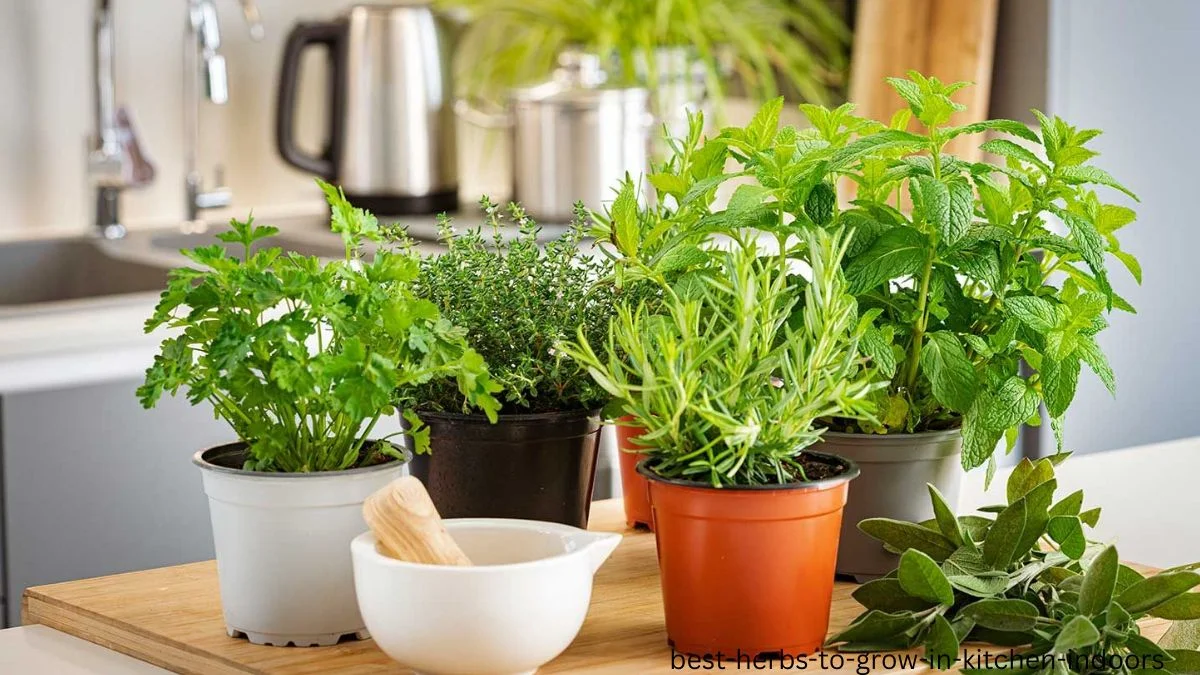
Fresh herbs can completely transform your cooking, and the best part is you don’t need a backyard to grow them. If you’ve ever thought about creating a small indoor garden, choosing the best herbs to grow in kitchen indoors is the perfect place to start. With just a sunny windowsill, a few pots, and basic care, you can enjoy fresh, fragrant herbs throughout the year.
Growing herbs inside your kitchen is not only practical but also beautiful. They add greenery, improve air freshness, and make your space feel lively and inviting. Whether you live in a small apartment or a spacious home, indoor herbs fit easily into any kitchen setup. In this guide, you’ll discover the best herbs to grow in kitchen indoors, how to care for them, and smart tips to keep them thriving.
Table of Contents
Why Grow Herbs in Your Kitchen?
Before we explore the best herbs to grow in kitchen indoors, let’s understand why indoor herb gardening is worth it.
- Fresh flavor anytime – Snip herbs directly into your meals.
- Cost-effective – Save money compared to buying packaged herbs.
- Space-saving gardening – Perfect for apartments and small homes.
- Low maintenance – Most herbs are beginner-friendly.
- Decorative appeal – Adds natural beauty to countertops and windowsills.
Indoor kitchen herbs are practical, beautiful, and rewarding.
1. Basil – The King of Indoor Herbs
Basil is one of the best herbs to grow in kitchen indoors because it thrives in warm conditions and bright light.
Why It’s Perfect:
- Loves sunny windows (6-8 hours of light)
- Grows quickly
- Ideal for pasta, salads, and sandwiches
Care Tips:
- Water when the topsoil feels dry.
- Pinch off flowers to encourage leaf growth.
- Use a well-draining potting mix.
2. Mint – Fresh and Fast Growing
Mint grows vigorously and adapts well indoors.
Why It’s Ideal:
- Tolerates partial sunlight
- Perfect for tea, desserts, and chutneys
- Refreshing fragrance
Care Tips:
- Keep soil slightly moist.
- Use a separate pot (it spreads quickly).
- Trim regularly to maintain shape.
3. Parsley – Compact and Productive
Parsley is definitely one of the easiest herbs for beginners to grow inside the house.
Benefits:
- Grows well in moderate light
- Great garnish and flavor booster
- Rich in nutrients
Care Tips:
- Needs consistent watering.
- Prefers indirect sunlight.
- Harvest outer leaves first.
4. Cilantro-Quick and Flavorful
Cilantro (also known as coriander leaves) is perfect for Asian and Mexican dishes.
Why Grow It Indoors:
- Fast growth cycle
- Compact root system
- Easy from seeds
Care Tips:
- Keep in cool temperatures.
- Provide 4-6 hours of sunlight.
- Harvest frequently before it bolts.
5. Chives – Mild Onion Flavor
Chives are among the best herbs to grow in kitchen indoors for small spaces.
Advantages:
- Requires minimal care
- Grows well in containers
- Adds flavor to eggs and soups
Care Tips:
- Needs bright indirect light.
- Trim regularly.
- Water when soil dries slightly.
6. Thyme-Small but Strong
Thyme thrives indoors with little attention.
Why Choose Thyme:
- Drought tolerant
- Needs less watering
- Compact growth habit
Care Tips:
- Provide at least 6 hours of sunlight.
- Avoid overwatering.
- Use sandy, well-draining soil.
7. Rosemary – Aromatic and Elegant
Rosemary adds both flavor and fragrance to your kitchen.
Why It’s Popular:
- Strong aroma
- Great for roasted dishes
- Decorative plant
Care Tips:
- I need bright light.
- Allow soil to dry between watering.
- Good airflow prevents disease.
8. Oregano – Hardy and Reliable
Oregano is a must-have Mediterranean herb.
Benefits:
- Easy to grow indoors
- Strong flavor
- Low maintenance
Care Tips:
- Full sunlight is preferred.
- Don’t overwater.
- Prune to keep bushy.
9. Sage – Soft Leaves, Bold Taste
Sage is one of the best herbs to grow in a kitchen indoors if you cook hearty meals.
Why Grow Sage:
- Thrives in pots
- Beautiful silvery leaves
- Long-lasting plant
Care Tips:
- I need strong light.
- Avoid soggy soil.
- Harvest lightly at first.
10. Dill – Light and Feathery
Dill grows surprisingly well indoors.
Why It Works:
- Fast-growing
- Great for salads and pickles
- Unique texture
Care Tips:
- Needs a deep container (long roots).
- Provide strong sunlight.
- Harvest before flowering.
11. Lemongrass – Exotic Touch
Lemongrass can grow indoors with enough light.
Why Consider It:
- Citrus aroma
- Perfect for soups and teas
- Grows in containers
Care Tips:
- Needs bright, direct sunlight.
- Keep soil moist.
- Use a large pot for root expansion.
How to Successfully Grow the Best Herbs to Grow in Kitchen Indoors
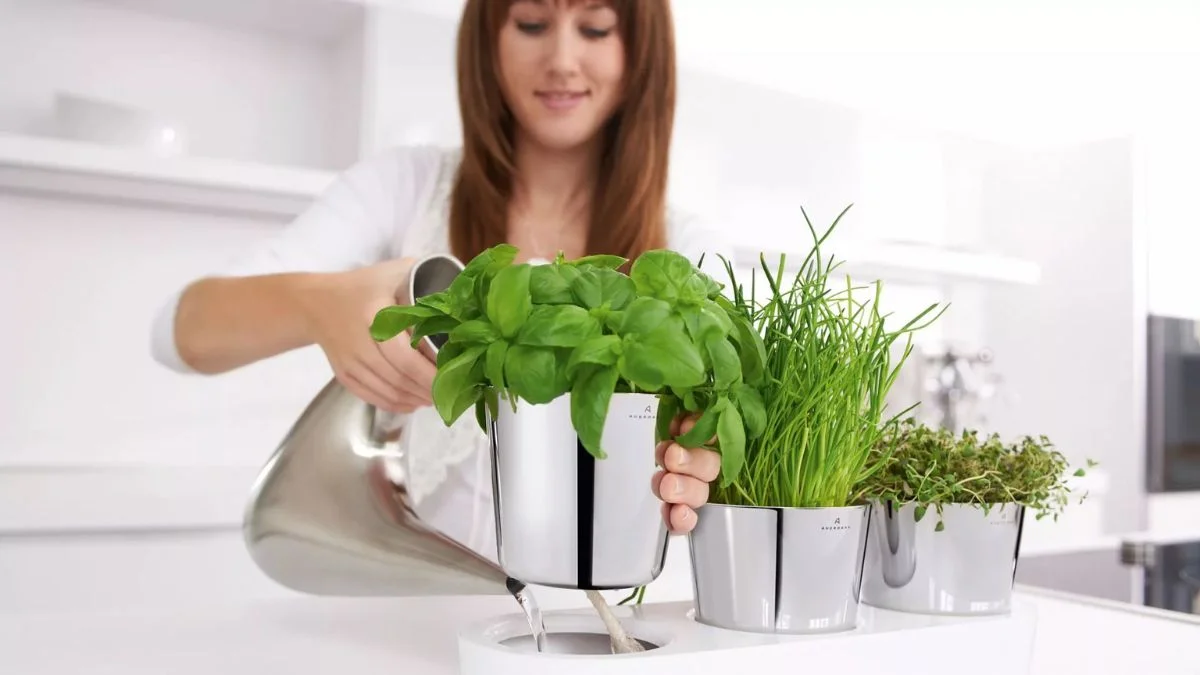
To keep the best herbs to grow in kitchen indoors thriving, follow these essential tips:
1. Choose the Right Location
- South-facing windows are ideal.
- Rotate pots weekly for even growth.
2. Use Proper Containers
- Ensure drainage holes.
- Avoid overly large pots for small herbs.
3. Maintain Good Soil
- Use high-quality potting mix.
- Avoid garden soil indoors.
4. Water Smartly
- Most herbs dislike soggy roots.
- Check soil moisture before watering.
5. Provide Extra Light if Needed
- Consider LED grow lights in low-light kitchens.
- Aim for 6-8 hours daily.
Common Mistakes to Avoid
When growing the best herbs to grow in kitchen indoors, avoid these mistakes:
- Overwatering
- Poor drainage
- Insufficient sunlight
- Ignoring pruning
- Crowding multiple herbs in one small pot
(FAQs)
1. What are the easiest herbs for beginners?
Basil, mint, parsley, and chives are the easiest and most forgiving options.
2. How much sunlight do indoor herbs need?
Most require 6-8 hours of sunlight daily. If natural light is limited, use grow lights.
3. Can I grow herbs without a balcony?
Yes. A sunny windowsill is enough for the best herbs to grow in kitchen indoors.
4. How often should I water indoor herbs?
Water when the top inch of soil feels dry. Avoid overwatering.
5. Do indoor herbs attract pests?
Occasionally. Keep leaves clean and ensure good airflow to prevent issues.
Conclusion
Growing the best herbs to grow in kitchen indoors is a simple way to elevate your cooking and refresh your home environment. With minimal effort, you can enjoy year-round greenery and fresh flavors right from your kitchen. From basil and mint to rosemary and thyme, each herb brings its own unique taste and charm. Start small, choose a sunny spot, and enjoy the satisfaction of harvesting your own herbs every day.
Indoor herb gardening is affordable, beginner-friendly, and incredibly rewarding. Once you begin, you may never go back to store-bought herbs again.