
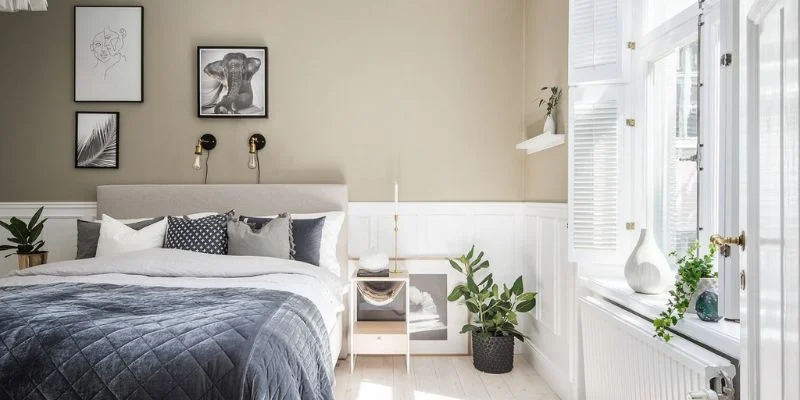
A healthy and relaxing bedroom starts with the air you breathe. Many modern bedrooms suffer from indoor pollutants such as dust, chemicals from furniture, cleaning products, and allergens, which can affect your sleep and overall health. One of the most effective and natural ways to enhance indoor air quality is by incorporating air cleaning plants for the bedroom. These plants not only bring nature into your living space but also filter harmful toxins, reduce stress, improve oxygen levels, and enhance overall sleep quality.
Whether you live in a compact apartment or a spacious house, selecting the right air cleaning plants for the bedroom can transform your room into a peaceful sanctuary. Popular options like snake plant, peace lily, and aloe vera are not only low-maintenance but also highly effective at purifying the air. Placing these plants near windows, nightstands, or bedroom corners ensures fresher air and a healthier lifestyle. Adding greenery isn’t just decoration, it’s a natural way to upgrade your home environment.
Table of Contents
Why You Need Air Cleaning Plants in Your Bedroom
Indoor air quality can significantly impact your health. Pollutants such as formaldehyde, benzene, and trichloroethylene are commonly present in everyday items like furniture, carpets, and cleaning products. Prolonged exposure to these chemicals can lead to headaches, allergies, or respiratory problems.
By introducing air cleaning plants for the bedroom, you bring a natural solution into your home. These plants absorb toxins and release fresh oxygen, improving the air you breathe. In addition, having greenery in your bedroom promotes relaxation, lowers stress levels, and enhances concentration. Studies show that people who have indoor plants experience better moods and overall mental well-being. Combining health benefits with visual appeal, air cleaning plants for the bedroom are a smart and natural way to elevate your indoor environment.
10 Best Air Cleaning Plants for the Bedroom
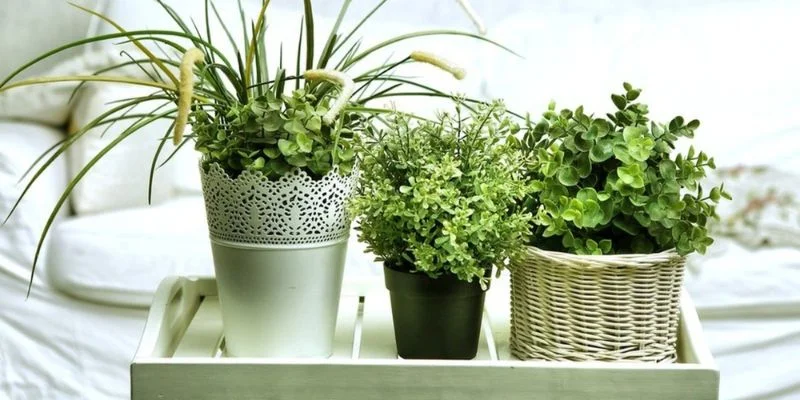
1. Snake Plant (Sansevieria)
- Thrives in low light and requires minimal maintenance.
- Converts carbon dioxide into oxygen at night, ideal for bedrooms.
- Tolerates irregular watering and fluctuating temperatures.
2. Peace Lily (Spathiphyllum)
- Removes toxins such as benzene, formaldehyde, and trichloroethylene.
- Produces stunning white blooms that brighten your bedroom.
- Prefers indirect sunlight and moderate watering.
3. Aloe Vera
- Filters harmful chemicals from household cleaning products.
- Has medicinal properties for minor burns and skincare.
- Needs bright, indirect sunlight and occasional watering.
4. Spider Plant (Chlorophytum comosum)
- Extremely easy to maintain and ideal for hanging baskets or shelves.
- Absorbs carbon monoxide, xylene, and other pollutants.
- Produces small plantlets that can be propagated easily.
5. Areca Palm
- Adds a tropical aesthetic while naturally humidifying your bedroom.
- Safe for pets and effective at removing indoor toxins.
- Thrives in indirect sunlight and needs regular watering.
6. Rubber Plant (Ficus elastica)
- Known for absorbing formaldehyde efficiently.
- Low-maintenance and thrives in indirect light.
- Can grow tall, making it perfect for corners or decorative placements.
7. English Ivy (Hedera helix)
- Reduces airborne mold and allergens.
- Can be grown in pots, hanging baskets, or trained along trellises.
- Prefers moderate light and consistent watering.
8. Bamboo Palm (Chamaedorea seifrizii)
- Filters benzene, formaldehyde, and trichloroethylene.
- Adds a decorative tropical touch to any bedroom.
- Thrives in indirect sunlight and moderate watering.
9. Boston Fern (Nephrolepis exaltata)
- Acts as a natural humidifier and toxin remover.
- Prefers indirect light, cool temperatures, and regular watering.
- Ideal for dry bedrooms or air-conditioned spaces.
10. Lavender
- Improves sleep quality with its relaxing aroma.
- Filters toxins and creates a soothing bedroom environment.
- Requires bright sunlight and well-draining soil.
How to Care for Air Cleaning Plants for the Bedroom

Even low-maintenance air cleaning plants for the bedroom require attention to thrive.
Light Requirements
Most air-purifying plants prefer indirect sunlight. Place them near windows or well-lit corners while avoiding harsh direct sunlight that can burn the leaves.
Watering Tips
Avoid overwatering. Allow the soil to dry slightly between waterings. Plants like snake plant and rubber plant need minimal watering, whereas ferns and bamboo palms prefer consistently moist soil.
Fertilization
During the growing season, apply a balanced organic fertilizer every 4-6 weeks.This supports growth and maintains air-purifying efficiency.
Placement & Airflow
Ensure proper air circulation. Corners, nightstands, or window sills are ideal spots. Avoid overcrowding plants as it can reduce airflow and effectiveness.
Pruning & Cleaning
Trim yellowing or dead leaves and dust plant foliage regularly to maximize photosynthesis and toxin absorption.
Benefits of Air Cleaning Plants for the Bedroom
Many homeowners choose air cleaning plants for their bedrooms because indoor greenery is proven to reduce stress. Learn more about indoor plants that reduce stress and improve sleep.
1. Purify the Air
Remove harmful chemicals like formaldehyde, benzene, and xylene naturally.
2. Improve Sleep Quality
Increase oxygen levels at night, enhancing breathing and restfulness.
3. Reduce Stress & Anxiety
The presence of greenery lowers cortisol levels and promotes calmness.
4. Boost Humidity
Plants help prevent dry skin, respiratory irritation, and discomfort from low indoor humidity.
5. Enhance Bedroom Décor
Air cleaning plants for the bedroom not only improve health but also add visual appeal and a relaxing vibe.
Tips for Choosing the Right Air Cleaning Plants for Your Bedroom
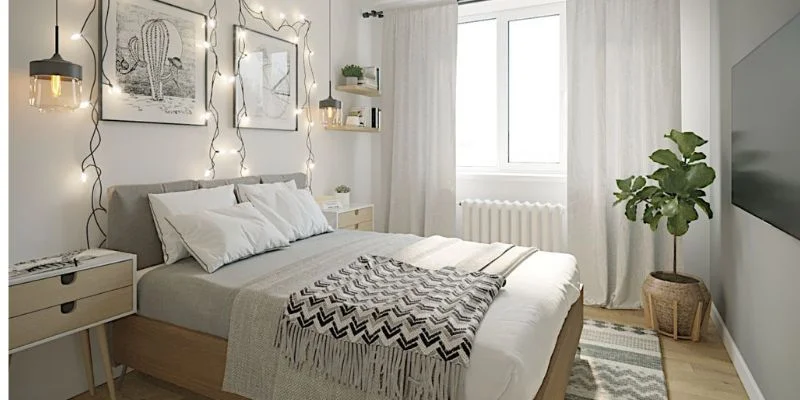
- Space Matters: Pick plants suitable for your bedroom size without overcrowding.
- Maintenance Level: Busy individuals should select low-maintenance plants such as snake plants or rubber plants.
- Pet-Friendly Options: Avoid toxic plants like peace lily or English Ivy if you have cats or dogs.
- Air Purification Goals: Some plants remove specific toxins; select according to your home environment.
- Aesthetic Preference: Consider leaf shape, height, and color to complement bedroom décor.
10 FAQs About Air Cleaning Plants for the Bedroom
1. Which air cleaning plants for the bedroom are best for small spaces?
Snake plants and spider plants are the best air cleaning plants for the bedroom in small spaces because they stay compact, require minimal care, and purify air efficiently.
2. Do air cleaning plants for the bedroom really improve sleep quality?
Yes, air cleaning plants for the bedroom like snake plants and lavender improve oxygen levels at night and help reduce stress, which supports deeper and better sleep.
3. Can I place air cleaning plants for the bedroom on my nightstand?
Yes, you can place air cleaning plants for the bedroom on your nightstand as long as they don’t block airflow and receive enough indirect light.
4. Are all air cleaning plants for the bedroom safe for pets?
No, not all air cleaning plants for the bedroom are pet-safe. Peace lilies can be toxic, so pet owners should choose safer options like areca palm or spider plant.
5. How often should I water air cleaning plants for the bedroom?
Most air cleaning plants for the bedroom should be watered only when the topsoil feels dry, as overwatering can cause root rot and damage plant health.
6. Do air cleaning plants for the bedroom help reduce mold?
Some air cleaning plants for the bedroom, such as English ivy, can help reduce airborne mold spores and improve indoor air quality.
7. Can artificial lighting support air cleaning plants for the bedroom?
Yes, low-energy LED grow lights work well for air cleaning plants for the bedroom that need indirect sunlight, especially in low-light rooms.
8. How many air cleaning plants for the bedroom should I keep?
For small rooms, 2-3 air cleaning plants for the bedroom are sufficient, while larger bedrooms may benefit from 4-6 plants placed strategically.
Conclusion
Incorporating air cleaning plants for the bedroom is one of the easiest and most natural ways to enhance both your health and living space. From filtering toxins like formaldehyde and benzene to boosting oxygen levels and reducing stress, these plants provide multiple benefits while adding beauty to your bedroom décor. Whether you choose low-maintenance options like snake plant or decorative flowering plants like peace lily, placing these natural purifiers in strategic spots ensures maximum effectiveness. Over time, your bedroom will not only look more inviting but also become a sanctuary of clean air, calmness, and relaxation. Start small, pick the right plants, and enjoy fresher air and a healthier lifestyle every day.