How to Choose the Right Mattress in 9 Smart Steps for Better Sleep & Home Comfort
Published: 30 Dec 2025
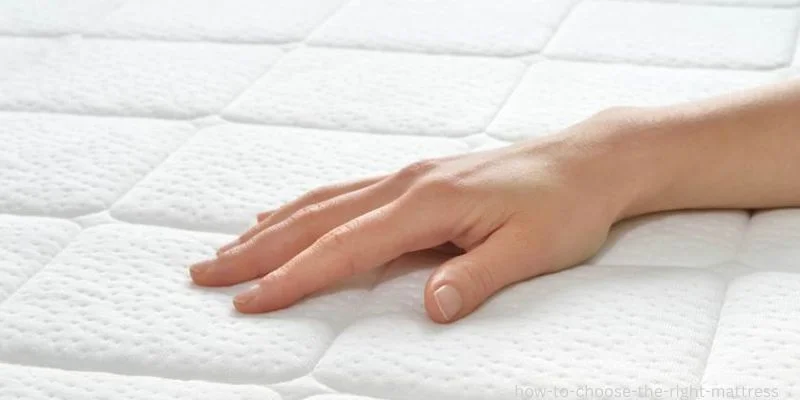
Choosing a mattress is one of the most important home improvement decisions you can make, yet many homeowners rush the process. If you’ve ever woken up with back pain, restless sleep, or constant fatigue, your mattress could be the root cause. Learning how to choose the right mattress ensures not only better sleep quality but also long-term comfort, posture support, and overall wellness.
Understanding how to choose the right mattress goes beyond picking the softest or most expensive option. Factors such as body type, sleeping position, material quality, firmness level, and room environment all play a role. This guide breaks down everything you need to know in a simple, practical way so you can confidently invest in a mattress that improves both your bedroom and your lifestyle.
Table of Contents
Why Choosing the Right Mattress Matters for Your Home
This video explains how to choose the right mattress by considering body weight, support needs, mattress types, and sleeping position to help you sleep better.
A mattress isn’t just a bedroom accessory it’s a foundational element of your home’s comfort system. The right mattress supports spinal alignment, reduces pressure points, and helps regulate body temperature. On the other hand, the wrong choice can disrupt sleep patterns and affect daily productivity.
When you understand how to choose the right mattress, you’re investing in better health, improved mood, and long-term durability. A quality mattress can last 7-10 years, making it one of the most impactful home upgrades you’ll ever make.
1. Understand Your Sleeping Position
Your sleeping position significantly affects mattress selection.
- Back sleepers need medium-firm mattresses to maintain spine alignment.
- Side sleepers benefit from pressure-relieving mattresses that cushion shoulders and hips.
- Stomach sleepers need to have firmer surfaces in order to avoid lower-back strain.
- Combination sleepers should opt for responsive mattresses that adjust easily.
Knowing your position is the first step in learning how to choose the right mattress for consistent comfort.
2. Choose the Right Mattress Firmness Level
Firmness doesn’t mean hard; it refers to how supportive the mattress feels.
- Soft (3-4): Best for lightweight side sleepers
- Medium (5-6): Ideal for couples and combination sleepers
- Firm (7-8): Suitable for back and stomach sleepers
Selecting the correct firmness is essential when figuring out how to choose the right mattress that supports your body evenly.
3. Explore Different Mattress Types
Each mattress material offers unique benefits:
Memory Foam Mattresses
- Excellent pressure relief
- Motion isolation
- Ideal for side sleepers
Innerspring Mattresses
- Traditional bounce
- Strong edge support
- Better airflow
Hybrid Mattresses
- Foam comfort + coil support
- Great for couples
Latex Mattresses
- Natural materials
- Cooling and durable
- Eco-friendly option
Understanding materials is a key part of mastering how to choose the right mattress.
4. Consider Body Weight and Support Needs
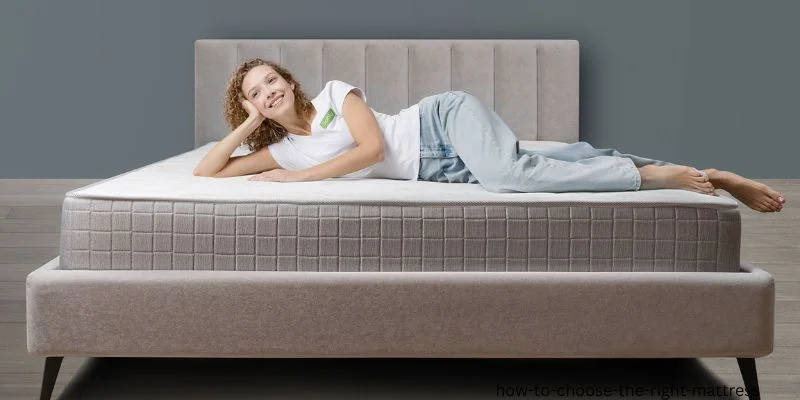
Body weight influences how a mattress performs.
- Lightweight sleepers may find firm mattresses uncomfortable
- Heavier sleepers need durable support cores
- Couples should consider motion isolation and edge support
Weight-based support ensures long-term comfort when deciding how to choose the right mattress.
5. Mattress Size and Bedroom Space
Always match mattress size with room dimensions:
- Twin: Kids or guest rooms
- Full: Compact spaces
- Queen: Most popular for master bedrooms
- King: Ideal for families and couples
Proper sizing enhances airflow and room functionality, another overlooked factor in how to choose the right mattress.
6. Temperature Regulation & Breathability
If you sleep hot, look for:
- Cooling gel foam
- Breathable covers
- Latex or hybrid designs
Temperature control plays a crucial role in sleep quality and should never be ignored when learning how to choose the right mattress.
7. Mattress Durability and Lifespan
High-quality mattresses last longer and maintain support.
- Look for high-density foam
- Reinforced edges
- Warranty coverage (8-15 years)
Durability ensures value for money and is a core principle in how to choose the right mattress wisely.
8. Trial Periods and Return Policies
Many brands offer:
- 90-365 night trials
- Free returns
- Risk-free testing
A trial allows real-life evaluation, making it easier to finalize how to choose the right mattress confidently.
9. Budget vs Quality Balance

Price doesn’t always equal comfort. Focus on:
- Construction quality
- Material certifications
- Long-term value
A balanced budget approach ensures you don’t overspend while still mastering how to choose the right mattress for your home.
Common Mistakes to Avoid When Choosing a Mattress
- Buying based on price alone
- Ignoring sleeping position
- Skipping firmness testing
- Choosing the wrong size
- Overlooking warranty details
Avoiding these mistakes simplifies how to choose the right mattress and protects your investment.
Final Thoughts
Learning how to choose the right mattress is about combining comfort, support, durability, and personal sleep needs. A mattress should adapt to your body, not the other way around. By understanding materials, firmness, size, and lifestyle factors, you can transform your bedroom into a true comfort zone.
A thoughtfully chosen mattress improves sleep quality, enhances home value, and supports overall well-being. Whether you’re upgrading your master bedroom or furnishing a new home, following these steps will ensure your mattress choice delivers restful nights for years to come.
FAQs
- How often should I replace my mattress?
Each mattress has its own lifespan and generally you may need to replace it every 7-10 years. It depends on various factors such as how often you use it, the quality of the materials, and the presence of worn-out or sagged areas. - Is a firm mattress better for back pain?
A medium-firm mattress usually offers the best balance of comfort and spinal support, helping reduce back pain for most sleepers.
- Are memory foam mattresses good for hot sleepers?
Yes, memory foam mattresses with cooling gel layers or breathable covers help regulate temperature and reduce heat buildup. - Can a mattress improve sleep quality?
Yes, the right mattress relieves pressure points, supports proper alignment, and promotes deeper, more restful sleep cycles. - Should I test a mattress before buying?
Yes, using a sleep trial allows you to evaluate comfort and support in real conditions before making a final decision.






- Be Respectful
- Stay Relevant
- Stay Positive
- True Feedback
- Encourage Discussion
- Avoid Spamming
- No Fake News
- Don't Copy-Paste
- No Personal Attacks
- Be Respectful
- Stay Relevant
- Stay Positive
- True Feedback
- Encourage Discussion
- Avoid Spamming
- No Fake News
- Don't Copy-Paste
- No Personal Attacks
