15 Smart and Stylish Kids’ Study Room Ideas for Better Focus and Academic Success
Published: 29 Dec 2025
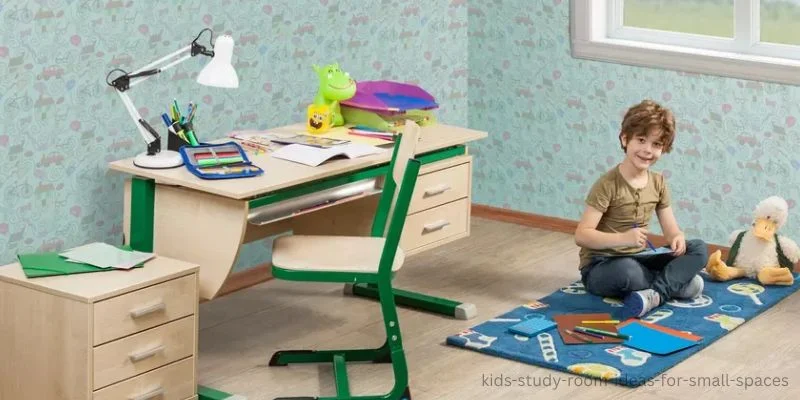
Designing a productive learning environment at home is one of the best investments parents can make for their children. With the rise of homework, online classes, and creative activities, having a dedicated study space has become essential. Thoughtfully planned kids’ study room ideas can significantly improve concentration, organization, and overall academic performance while still keeping the space fun and inspiring.
A well-designed study room doesn’t need to be large or expensive. It simply needs to balance comfort, functionality, and creativity. From choosing the right furniture to adding playful décor elements, these kids’ study room ideas will help you create a space where learning feels enjoyable rather than stressful. Below, you’ll find practical, stylish, and age-appropriate solutions that work for both small and spacious homes.
Table of Contents
1. Choose the Right Study Desk and Chair
The foundation of all effective kids’ study room ideas starts with ergonomic furniture. A desk that matches your child’s height and a supportive chair help maintain proper posture and reduce fatigue during long study hours. Adjustable desks and chairs are ideal because they grow with your child.
Choose desks with built-in drawers or shelves to organize stationery. Comfortable seating ensures your child stays focused without constant movement or discomfort.
2. Maximize Natural Lighting
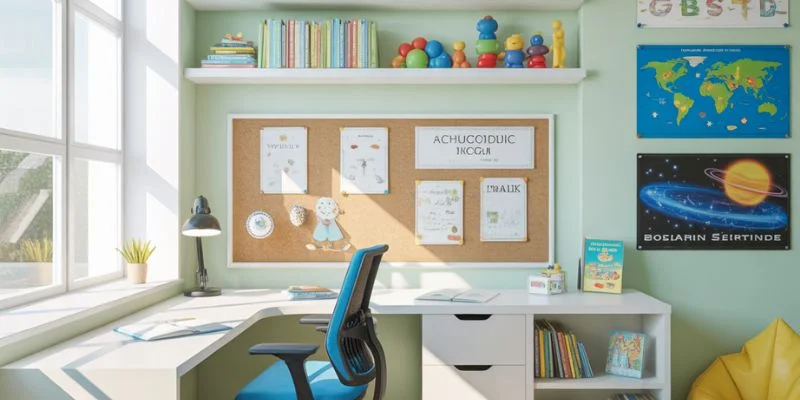
Good lighting plays a major role in concentration and eye health. One of the smartest kids’ study room ideas is placing the study desk near a window to allow natural light during the day. Natural light boosts mood, energy, and productivity.
For evening study time, use a soft desk lamp with adjustable brightness. Avoid harsh overhead lighting that can cause strain and distraction.
3. Use Calming Yet Stimulating Colors
Color psychology is an often-overlooked part of kids’ study room ideas. Soft shades like light blue, green, beige, or pastel yellow create a calming environment that encourages focus. Avoid overly bright or dark colors that may cause restlessness.
Colorful accents can still be added by a wall art, cushions, or storage bins to keep the space lively and child-friendly.
4. Create Smart Storage Solutions
Clutter can quickly distract children. Effective kids study room ideas always include smart storage options. Wall shelves, book racks, drawer organizers, and labeled boxes help keep everything in its place.
Teach your child to organize books and supplies daily. This habit not only improves focus but also builds responsibility and discipline.
5. Design a Personalized Study Zone
Children feel more motivated when their space reflects their personality. Personalized kids’ study room ideas may include name plaques, favorite colors, or themed décor such as space, animals, or fairy tales.
Adding a small pinboard or magnetic board for achievements, schedules, and artwork keeps them emotionally connected to the study area.
6. Separate Study and Play Areas
One of the most practical kids’ study room ideas is clearly separating learning and play zones. If the study room is also used for play, define boundaries using rugs, shelves, or furniture placement.
This separation helps children mentally associate the study area with learning, improving focus and productivity.
7. Incorporate Wall-Mounted Learning Tools
Educational wall décor is a creative way to enhance kids’ study room ideas. Alphabet charts, world maps, multiplication tables, or motivational quotes make learning visual and engaging.
Wall-mounted boards save floor space and keep essential information within easy reach.
8. Focus on Minimalism for Better Concentration
Minimalist kids study room ideas to reduce distractions and promote clarity. Avoid overcrowding the room with unnecessary furniture or décor. Keep only essential items on the desk to maintain a clean workspace.
A simple, organized environment helps children stay calm and attentive during study time.
9. Add Comfortable Soft Furnishings
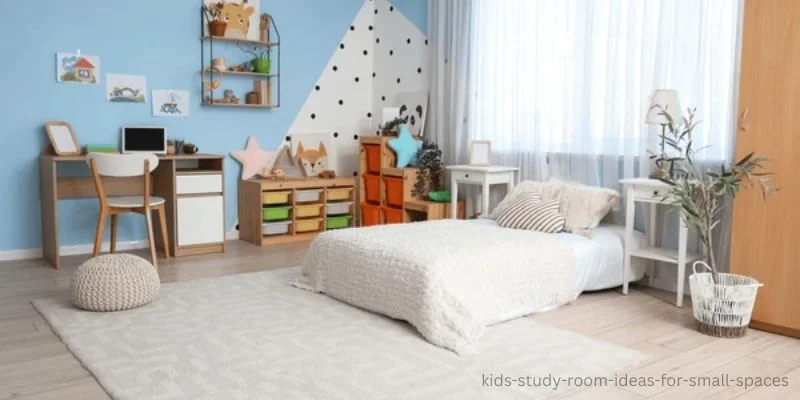
Soft elements such as cushions, curtains, or a small rug make the study room cozy without being distracting. Among popular kids’ study room ideas, adding comfort improves emotional well-being and encourages longer study sessions.
Choose washable and durable fabrics to maintain hygiene and ease of maintenance.
10. Use Vertical Space Efficiently
Small rooms can still benefit from creative kids’ study room ideas by using vertical space. Tall shelves, pegboards, and wall cabinets provide extra storage without taking up valuable floor space.
Vertical organization also teaches children how to use space wisely and stay organized.
11. Encourage Creativity with an Art Corner
A balanced study room supports both academics and creativity. Adding a small art corner that features drawing supplies, craft materials, or a chalkboard wall is one of the most captivating study room ideas for kids.
This allows children to refresh their minds and express creativity during study breaks.
12. Ensure Proper Ventilation
Fresh air improves concentration and energy levels. Good ventilation is an often-ignored part of kids’ study room ideas. Keep windows open when possible or use a quiet fan to maintain airflow.
A comfortable temperature keeps children relaxed and focused for longer periods.
13. Install Noise-Reducing Elements
Noise can significantly affect concentration. Effective kids’ study room ideas include using curtains, rugs, or soft wall panels to reduce echo and external noise.
If needed, consider noise-canceling solutions or white noise machines for homes in busy areas.
14. Add a Study Routine Display
Displaying a daily or weekly study schedule is one of the most functional kids’ study room ideas. A wall planner or whiteboard helps children manage time effectively and stay consistent with homework and revision.
Visual reminders improve time management skills from an early age.
15. Design for Growth and Flexibility
Children’s needs change over time. The best kids’ study room ideas allow flexibility. Choose furniture and décor that can be updated easily as your child grows, transitions to higher grades, or develops new interests.
A flexible design saves money and ensures long-term usability.
Final Thoughts
Creating a functional and inspiring learning environment at home doesn’t require a large budget or extra space. With thoughtful planning, these kids’ study room ideas can transform any corner of your home into a productive, organized, and enjoyable study zone.
By combining comfort, organization, personalization, and smart design, you help your child build healthy study habits that support long-term academic success and personal growth.
FAQs
1. What are the most important elements of kids’ study room ideas?
A comfortable desk and chair, good lighting, proper storage, and minimal distractions are essential.
2. How can I design a study room in a small space?
Use vertical storage, wall-mounted desks, and multifunctional furniture to save space.
3. Which colors are best for a kids’ study room?
Soft and calming colors like light blue, green, and beige improve focus and reduce stress.
4. How often should a kid’s study room be updated?
Review the setup every 1-2 years to match your child’s changing academic needs.
5. Can kids study room ideas improve academic performance?
Yes, an organized and comfortable study space boosts focus, motivation, and learning efficiency.




- Be Respectful
- Stay Relevant
- Stay Positive
- True Feedback
- Encourage Discussion
- Avoid Spamming
- No Fake News
- Don't Copy-Paste
- No Personal Attacks
- Be Respectful
- Stay Relevant
- Stay Positive
- True Feedback
- Encourage Discussion
- Avoid Spamming
- No Fake News
- Don't Copy-Paste
- No Personal Attacks
