
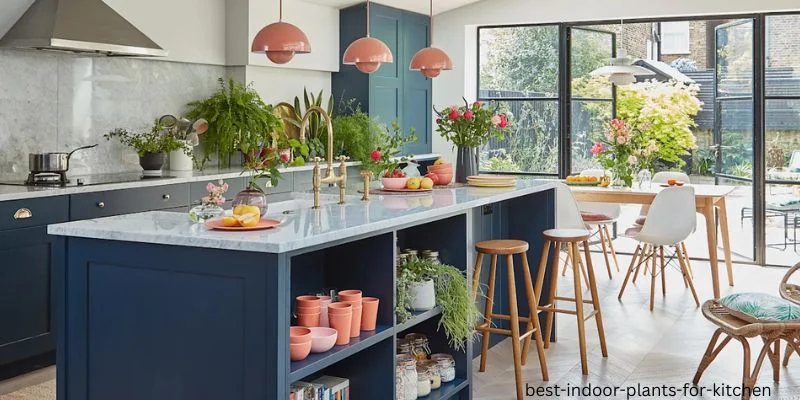
Choosing the best indoor plants for kitchen areas is about more than decoration. Kitchens are warm, humid, and full of daily activity, which makes them a unique environment compared to other rooms in your home. The right plants can thrive in these conditions while helping to purify the air, reduce cooking odors, and bring a refreshing natural vibe into the heart of your home.
Many homeowners overlook greenery in the kitchen, assuming plants require too much light or maintenance. In reality, several indoor plants love kitchen conditions and need very little care. Whether you have a sunny windowsill, a shaded corner, or limited counter space, selecting the best indoor plants for kitchen use can completely transform how your space looks and feels while supporting a healthier indoor environment.
Table of Contents
Why Kitchens Are Perfect for Indoor Plants
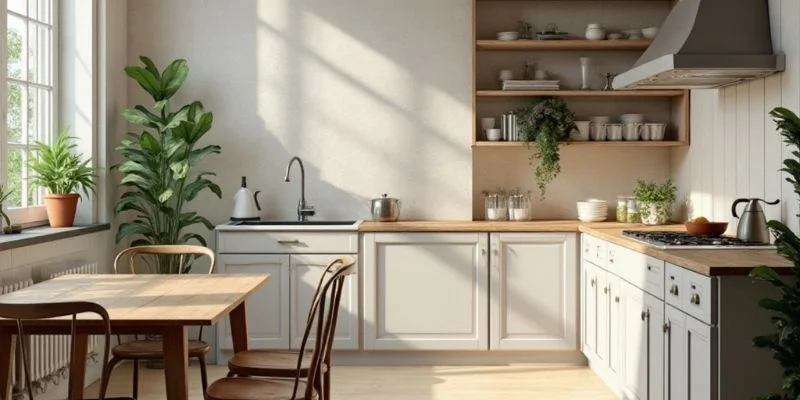
Kitchens naturally provide warmth, moisture, and airflow, three things many houseplants enjoy. Steam from cooking increases humidity, while windows often provide indirect sunlight throughout the day. When chosen wisely, the best indoor plants for kitchen spaces become both functional and decorative, improving air quality and creating a calming atmosphere where meals are prepared and shared. This makes the kitchen an ideal place to keep best indoor plants for kitchen that stay fresh, vibrant, and easy to care for.
Now let’s explore some indoor plants that are especially well-suited for kitchen spaces.
1. Aloe Vera
Aloe Vera thrives in bright, indirect light and stores water in its thick leaves, making it ideal for busy kitchens. It helps improve indoor air quality and is incredibly low maintenance. Place it near a window but away from direct heat sources.
2. Snake Plant (Sansevieria)
One of the environments with low light, the snake plant is nearly indestructible. It absorbs toxins and releases oxygen even at night, making it perfect for compact kitchens.
3. Pothos (Devil’s Ivy)
Pothos adapts easily to different lighting conditions and grows beautifully in hanging baskets or shelves. Its trailing vines add softness to modern kitchens while filtering airborne toxins.
4. Spider Plant (Chlorophytum comosum)
Spider plants are excellent for beginners and thrive in indirect sunlight. They help remove odors and pollutants created during cooking, making them a smart kitchen choice.
5. Peace Lily (Spathiphyllum)
Peace lilies love humidity, which makes kitchens an ideal location. Their elegant white blooms add a clean, fresh look while helping reduce mold spores in the air.
6. Herb Plants (Basil, Mint, Rosemary)
Herbs are among the spaces because they combine beauty with function. Fresh herbs improve air quality and are always within reach for cooking.
7. ZZ Plant (Zamioculcas)
The ZZ plant tolerates low light and irregular watering. Its glossy leaves reflect light beautifully, making small kitchens appear brighter and more open.
8. Philodendron
Philodendrons are stylish, adaptable, and thrive in indirect light. They grow well in warm kitchen conditions and require minimal care.
9. English Ivy (Hedera helix)
English ivy helps absorb airborne grease particles and thrives in cooler kitchen corners with indirect light. It’s an excellent choice for shelves or hanging planters.
10. Lucky Bamboo (Dracaena sanderiana)
Lucky bamboo grows well in water or soil and tolerates low light. It adds a modern, calming touch to kitchen countertops without demanding attention.
11. Rubber Plant (Ficus elastica)
The rubber plant has shiny, thick leaves that make the kitchen look attractive. If you have enough space, it is a great indoor plant for the kitchen décor.
The rubber plant does well in bright, indirect light and remains in good condition in a warm kitchen.
12. Parlor Palm (Chamaedorea elegans)
Parlor palms prefer indirect light and help maintain indoor humidity levels. They’re safe, elegant, and ideal for family kitchens.
They also improve indoor air quality and create a calm, relaxing atmosphere in busy kitchen spaces.
Their soft, feathery leaves add natural texture without making the area feel crowded.
How to Choose the Right Plant for Your Kitchen
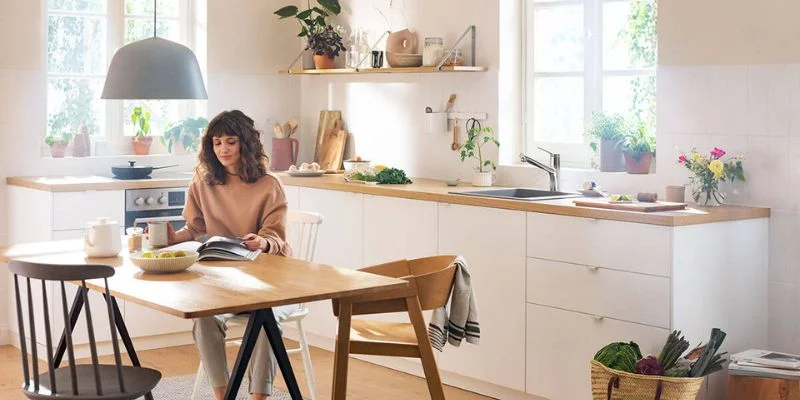
When selecting the best indoor plants for kitchen use, consider three main factors: light availability, available space, and your maintenance routine. Choose plants that match your kitchen’s conditions rather than forcing high-light plants into shaded areas.
This careful selection ensures you choose the best indoor plants for kitchen spaces that thrive naturally and stay attractive year-round.
Kitchen Plant Placement Tips
- Place sun-loving plants near windows
- Keep plants away from direct stove heat
- Use hanging planters to save counter space
- Rotate plants weekly for even growth
Strategic placement ensures the best indoor plants for kitchen areas remain healthy and visually appealing year-round.
Common Mistakes to Avoid
- Overwatering due to humidity
- Using heavy pots without drainage
- Placing plants too close to burners
- Ignoring light requirements
Avoiding these mistakes helps the best indoor plants for kitchen setups thrive longer and look better.
FAQs
1. Which plants survive best in kitchen humidity?
Plants like peace lily, pothos, and herbs love humid environments, making them ideal for kitchens. That’s why they are often considered among the best indoor plants for kitchen spaces, especially in warm and busy homes.
2. Can indoor plants really reduce kitchen odors?
Yes, several air-purifying plants help absorb odors, smoke, and airborne grease particles.
3. Are herbs considered the best option?
In many kitchens, herbs make the best indoor plants because they’re useful, smell great, and add a touch of beauty.
4. Do kitchen plants need frequent watering?
Not always. Humidity reduces watering needs, especially for drought-tolerant plants. This makes them some of the best indoor plants for kitchen environments where moisture levels are naturally higher.
Conclusion
Choosing the best indoor plants for kitchen spaces brings together beauty, health, and practicality. From low-maintenance foliage plants to useful herbs, the right greenery can transform your kitchen into a fresh, inviting environment that feels alive and welcoming.
By understanding light, humidity, and placement, you can enjoy long-lasting plants that enhance both cooking and daily living. With thoughtful selection and care, the best indoor plants for kitchen areas will reward you with cleaner air, natural charm, and a healthier home.